
THE APEX TIMES
MLB Pipeline updates Rockies top prospects as Purple Row’s mid-season PuRPs rankings return
With the dog days settling in, MLB Pipeline’s newest top 30 Colorado Rockies prospect list and Purple Row’s mid-season fan rankings are giving followers a new look at the organization’s player development priorities.
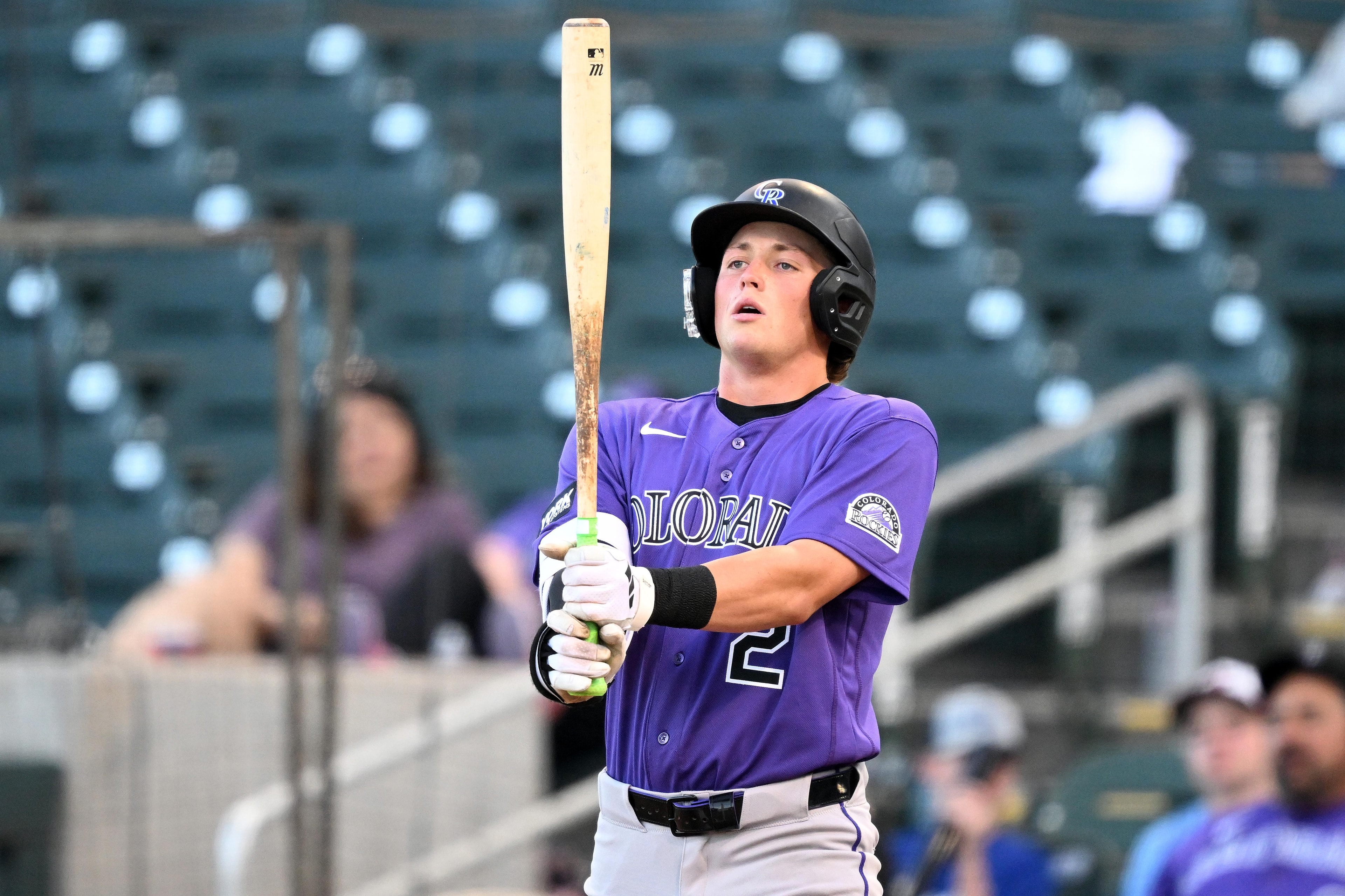
MLB Pipeline has released an updated top 30 prospect list for the Colorado Rockies, and the timing is built for late-summer scrutiny. The update arrives after the “longest days of the summer,” with the major league season moving into its final stretch and baseball’s attention shifting toward who is positioned to help next, not just who is helping right now. For Rockies fans, the new ranking also overlaps with the return of Purple Row After Dark, the site’s mid-season PuRPs prospect rankings where readers and commenters weigh in.
In the Yahoo Sports piece framed around the discussion, the focus is not on a trade rumor or a roster move. It is on how the rankings line up with what Rockies followers think matters most in the farm system. The article sets up a central question: when MLB Pipeline publishes a revised top 30, how do the answers compare with the community’s own consensus? That kind of comparison can be instructive, because it forces voters to say whether they are prioritizing ceiling, near-term polish, positional value, or the specific skill sets that tend to travel from minor league ball into the majors.
What makes this moment different from an off-season “watch list” is the mid-season framing. A prospect ranking update in August is implicitly about adjustment. Player development paths shift during the year, assignments change, and performance can separate the long shots from the more established pipelines. The Rockies’ top 30 list functions as a compact snapshot of the organization’s evaluation, even though the list itself is not a contract or a guarantee of big league arrival.
The Purple Row After Dark concept, as described in the Yahoo Sports report, is that the PuRPs mid-season rankings are tied to what the audience votes on, turning the farm system into a shared reference point rather than a one-way publication. That matters for fan engagement, but it can also highlight where scouting and fan perception diverge. Sometimes readers lean toward prospects with obvious playmaking roles or simpler narratives, while MLB Pipeline’s framework may emphasize transferable tools, age relative to level, or the reliability of production over time. The gap is often educational, especially for organizations like Colorado, where the development calendar is watched closely.
Still, there are limits to what any single ranking can tell you. Prospect lists are evaluations, not final outcomes, and they do not incorporate every late-season possibility, medical variable, or role change that can accelerate or slow a player’s progress. Even within the top 30, prospects can be valued differently depending on health history, swing mechanics, pitch usage, or the defensive demands of their position. That is why the most useful way to read these updates is as a starting point for follow-through: watch reports, prospect-level games, and future assignment announcements rather than treating the rankings as destiny.
As the MLB season approaches its end, the Rockies’ prospect conversation will likely continue to intensify for a simple reason. The closer teams get to September, the more the “next wave” becomes visible, either through call-ups, late-innings auditions, or the organizational decision-making that tends to accelerate when evaluation matters most. A new top 30 list will therefore land in a broader timeline, where it can shape expectations for who might be in the conversation for future depth, rotation options, or lineup support.
For Rockies fans, the immediate takeaway is the opportunity to compare MLB Pipeline’s updated order with Purple Row’s mid-season fan rankings. If the two align closely, that suggests the organization’s evaluation and the community’s reading of development progress are moving in the same direction. If they do not, that creates a debate worth having, because it forces supporters to clarify what they believe a Rockies prospect should look like at this point in his or her career.
Going forward, the watch items are straightforward. Pay attention to which prospects generate consistent performance at their current level, how quickly they adapt to higher-leverage roles, and whether their skill set translates during games against better competition. The Rockies’ updated top 30 provides the map; the end of the season and the next minor league reports will show how accurately that map reflects reality.
Why It Matters
- Updated top 30 lists give fans and evaluators a current snapshot of an organization’s prospect priorities during the season’s final stretch.
- Comparing MLB Pipeline rankings with fan-voted lists can reveal where scouting emphasis and public perception diverge.
- For teams like the Rockies, late-summer prospect conversations often connect to how the organization plans for roster depth and future roles.
- These rankings also help set the expectations for which players will receive attention in upcoming minor league reporting and possible September opportunities.
Key Facts
- MLB Pipeline released an updated top 30 prospect list for the Colorado Rockies, published in mid-August 2026.
- Yahoo Sports highlighted the release as the backdrop for the return of Purple Row After Dark’s mid-season PuRPs prospect rankings.
- Purple Row’s PuRPs concept is presented as a fan-voted mid-season ranking of Rockies prospects.
- The discussion is framed around comparing MLB Pipeline’s ordering with what Purple Row readers and commenters believe is most accurately ranked.