
THE APEX TIMES
MLB releases an updated in-season prospect rankings refresh, debuting new Top 100 and Top 30 lists
The league’s prospect pipeline view is getting a mid-to-late season reset, updating how clubs and fans evaluate future talent after the Draft, the Trade Deadline, and the first bulk of the 2026 schedule.
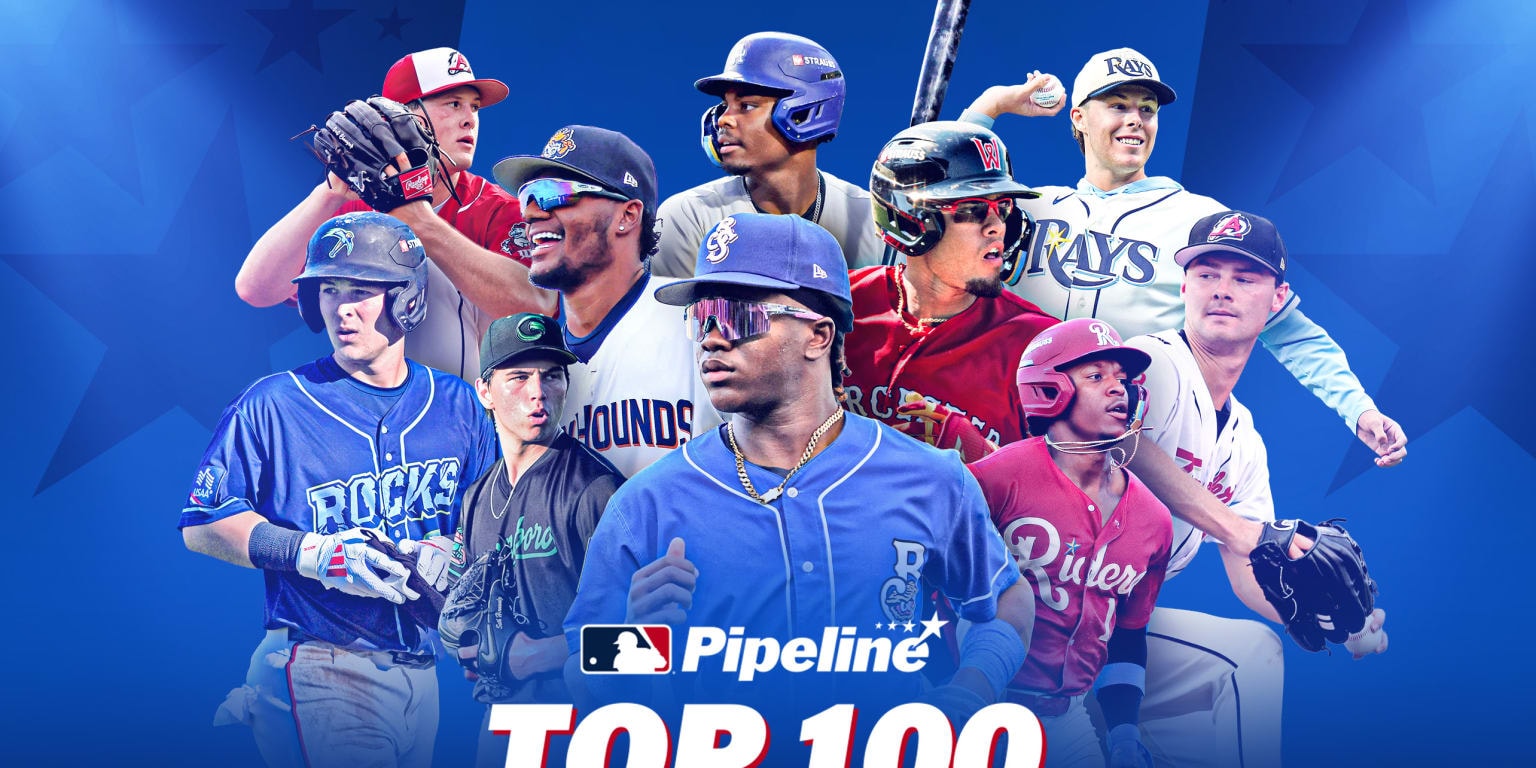
MLB has published updated in-season prospect rankings, replacing the league’s earlier 2026 Top 100 look that debuted in January. The new release, posted, pairs an updated Top 100 Prospects list with refreshed Top 30 rankings for organizations, reflecting how baseball’s player-development paths shift once the season has played out beyond spring and early summer.
In the announcement, MLB frames the timing as practical. Since the January update, the Draft has altered farm systems, the Trade Deadline has reshaped club depth charts, and the “bulk of the 2026 season” has provided additional evidence on which prospects are progressing and which may have stalled. The league’s message is that prospect evaluation is not static, and the rankings now incorporate more real-game information than an offseason-only ordering can capture.
The release is presented as an expansion of what MLB had previously shared: it is not just a replacement Top 100, but also a set of organizational lists that let each club’s most relevant future pieces be viewed in context. For fans, that matters because the Top 100 is comparative across all 30 organizations, while the Top 30 is meant to describe the internal hierarchy that a specific franchise can use in roster planning.
From a team-building standpoint, in-season prospect updates are a way to re-anchor discussions around player development. Front offices generally weigh new performance indicates against older scouting notes, and the ranking changes can highlight candidates for faster promotion, players who are trending the right way, or prospects whose development has taken a different turn than expected.
The league’s decision to publish both a cross-organizational Top 100 and team-specific Top 30 lists also underscores that trade strategy and future projections are linked. When draft selections and deadline acquisitions move into a club’s long-term plans, the relative value of homegrown prospects can change, even if those players’ individual results have not. These updates provide a common framework for how quickly organizations are adjusting their expectations.
What to watch next is how the new ordering aligns with the on-field and organizational indicates that follow. Prospect lists are descriptive, not dispositive, but they often help explain why clubs promote particular players when they do, how they prioritize innings and plate appearances in the minors, and how they evaluate replacement value at key positions.
As with any ranking, the lists are only as current as the information used when they were assembled. If a prospect’s performance accelerates after the update window, subsequent movements later in the season or in offseason evaluations could diverge from the current Top 100 and Top 30 ordering. Still, MLB’s release provides the most up-to-date snapshot of the league’s prospect landscape entering the later stages of 2026.
Why It Matters
- A renewed Top 100 shifts how teams and analysts compare prospect value across the entire league.
- Team Top 30 lists offer a clearer view of each organization’s internal development priorities.
- The timing after the Draft and Trade Deadline highlights how transactions and new prospects can reorder a club’s future outlook.
- In-season updates provide a more evidence-based snapshot than offseason-only evaluations, especially when promotions and performance trends are already underway.
- These rankings can shape fan and media narratives around upcoming roster construction decisions later in the 2026 cycle.
Key Facts
- MLB released new in-season prospect rankings for 2026.
- The update includes a refreshed Top 100 Prospects list.
- MLB also released refreshed Top 30 prospect lists for organizations.
- The January 2026 Top 100 was the prior baseline that this update replaces.
- MLB cited the Draft, the Trade Deadline, and the bulk of the 2026 season as reasons to update the rankings.