
THE APEX TIMES
MLB’s ‘Grass Routes’ puts a bow on Season 2 with a Rochester stop tied to the Nationals’ Triple-A affiliate
The league-backed travelogue concludes its second season in western New York, exploring the Rochester Red Wings and local history that fans have long associated with the city’s signature Garbage Plate.
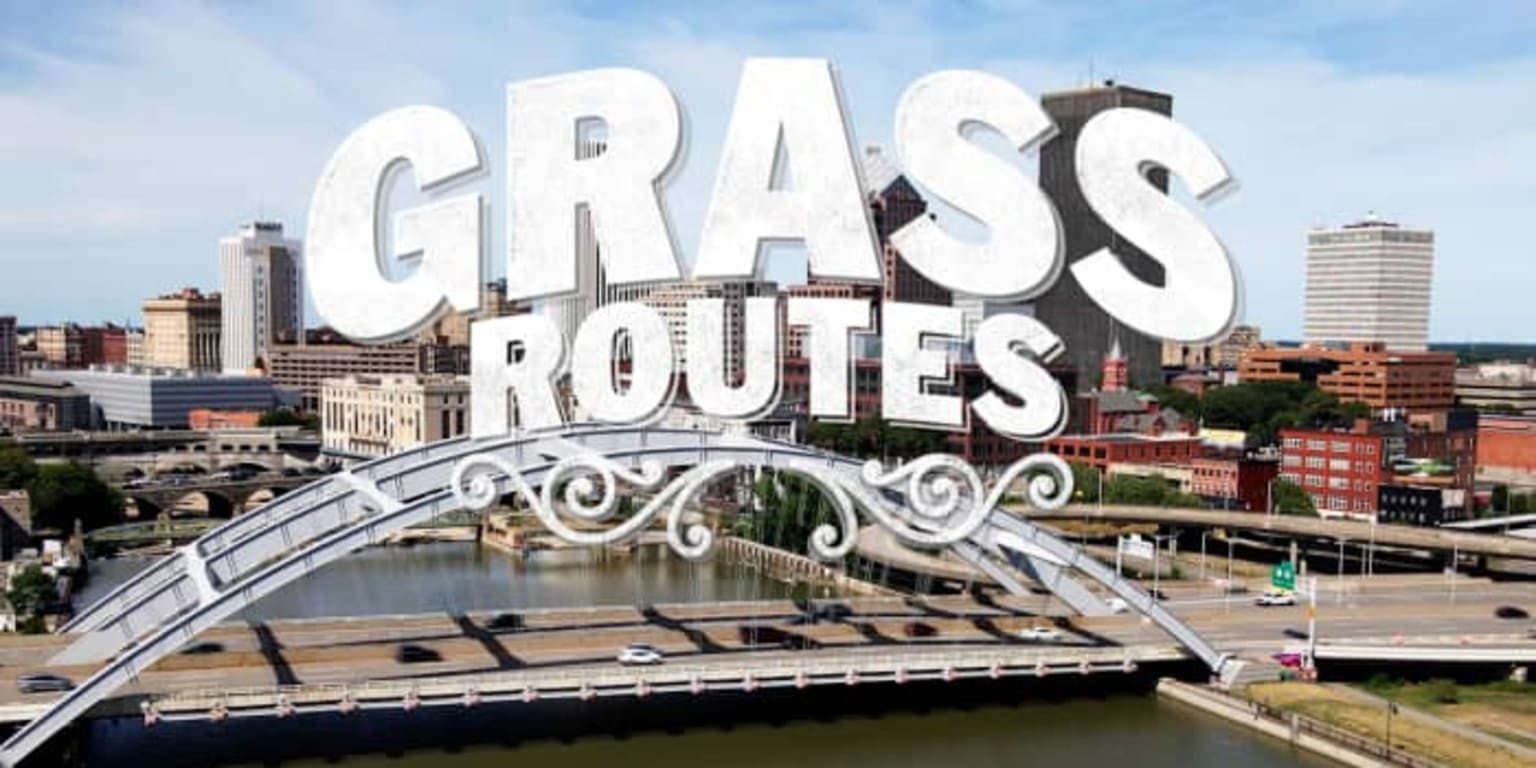
MLB’s “Grass Routes” reached the end of its Season 2 run with its fourth and final episode of the year, taking viewers to Rochester, N.Y. The setting is familiar to Nationals farm-system watchers because the Rochester Red Wings, a Triple-A club, serve as a key stop on the player-development pipeline tied to Washington. The episode reframes that affiliation through place-based storytelling, mixing ballpark context with city history as the series closes its arc for the season.
Rochester is also the kind of sports-adjacent American locale that holds an audience even if you are not checking box scores. The episode leans into one of the city’s most recognizable culinary legends, the Garbage Plate, a dish that is widely described as both an attraction and a punchline among locals and visitors. In keeping with the series format, the show uses that cultural anchor as a way to slow down the travel narrative and broaden what “affiliated baseball” can mean beyond the diamond.
The conclusion matters because it arrives after three earlier regional stops that established the season’s geographic sweep. According to MLB’s episode release, “Grass Routes” began Season 2 with Portland, Maine, then moved through stops in Asheville, Tulsa and Montgomery before landing in Rochester. That sequence positions the program as more than a one-off profile of a single farm club, instead presenting the Nationals organization’s broader minor-league footprint through a rotating set of communities.
In Rochester, the focus remains on the Red Wings as an organization, with the episode identifying the club as the Nationals’ Triple-A affiliate. Triple-A is often where player-development calendars begin to tighten, with prospects being evaluated for their readiness to handle higher-level pitching, sharper in-game decision-making, and the long grind of a full professional season. By centering the affiliate rather than a major-league roster, the series underlines how MLB’s player pipeline is built across multiple markets.
The episode’s framing also suggests why MLB has continued to invest in these kinds of off-field formats. “Grass Routes” gives fans an access point to minor-league cities that many will not visit, while also helping bridge the gap between organizational follow-through and the everyday experience of living near a franchise. For followers of Washington’s development system, the Rochester stop is a reminder that an MLB team’s influence extends into local routines that may not make national headlines.
Because the episode is a media production rather than a game recap, it does not serve as a source of transaction-level news or roster updates. It is also not presented as a standings-driven installment in the way a late-season playoff preview would be. The main takeaway is thematic: MLB is using its affiliate network as the organizing structure for storytelling, and Rochester is the season’s capstone city.
What to watch next is simple. With Season 2 concluded, fans will likely look for whether MLB schedules similar affiliate-travel episodes to align with future minor-league seasons and whether additional organizations beyond the Nationals’ system become part of the travelogue’s rotation. For now, Rochester stands as the final scene, bookended by earlier episodes that connected ball clubs to the towns that shape them.
Why It Matters
- The Rochester stop highlights the Nationals’ Triple-A ecosystem as part of how MLB’s player pipeline is experienced by fans outside Washington.
- By using local culture, the episode positions minor-league affiliations as community stories, not only prospect-development milestones.
- The season finale format reinforces MLB’s continued investment in minor-league visibility through original programming.
- For development-followers, Triple-A remains a key checkpoint, and showcasing the affiliate city helps contextualize what prospects are working toward.
Key Facts
- “Grass Routes” concluded Season 2 with its fourth and final episode of the year.
- The final episode features Rochester, N.Y., and the Rochester Red Wings, identified as the Nationals’ Triple-A affiliate.
- The release ties the visit to local history and culture, including Rochester’s Garbage Plate.
- MLB’s episode schedule for Season 2 included stops in Portland, Maine; Asheville; Tulsa; and Montgomery before Rochester.
- The series is presented as an affiliate-connected travelogue, not as a standings or transaction update.