
THE APEX TIMES
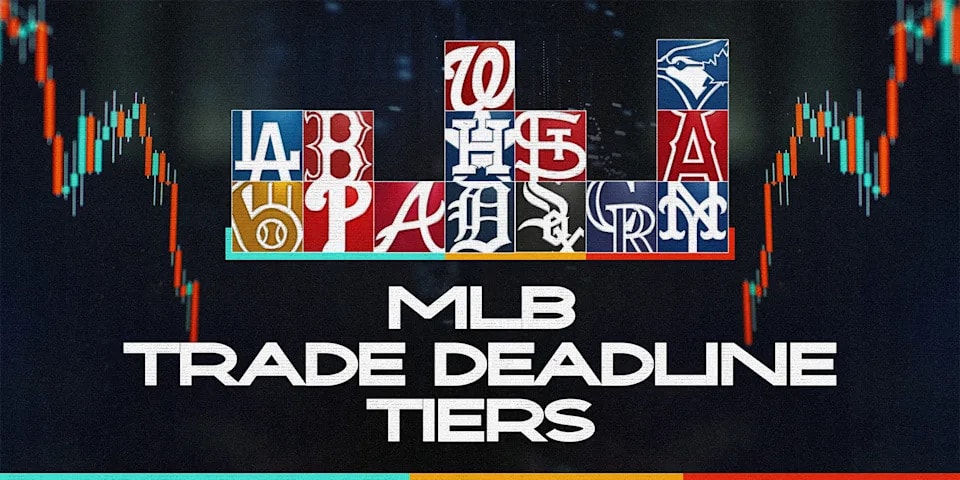
MLB trade deadline tiers: How 30 clubs are being sorted in the final sprint to Aug. 3
With Monday’s Aug. 3 trade deadline at 6 p.m. ET, MLB teams are being evaluated in broad categories, from “aggressive buyers” trying to add to postseason cases to “full-on sellers” leaning into the future.
Major-league front offices are running out of calendar space. In the final days before the Aug. 3 trade deadline at 6 p.m. ET, teams across MLB are being placed into tiers based on how aggressively they are pursuing roster upgrades, or whether they are more focused on selling off pieces for the next phase. The framework matters because, as the deadline nears, trade conversations that might have been exploratory earlier become operational, with clubs trying to convert interest into completed deals.
The “deadline tiers” idea is built around the same practical questions every year. If a club is buying, it is generally trying to improve its immediate performance, often to strengthen bullpen reliability, add depth for a playoff-style run, or address a lineup need that has become clear over the season. If a club is selling, the emphasis shifts to maximizing value from controllable players and prospects, accepting that the best path forward is building for later rounds of the calendar instead of pushing for October this season.
Between those ends of the spectrum sit the in-between categories, where teams might be willing to trade but not necessarily at any price, or where a club’s direction could depend on what it hears from other organizations during the window. Those teams can be particularly sensitive to timing. Deals often require a match between roster needs, financial parameters, and the willingness of teams to move targets, so as the clock ticks down, fewer options remain for imperfect fits.
For fans, the value of a tiered approach is that it translates a sprawling league into something more legible. MLB has 30 teams, each with different standings positions and different construction philosophies. A “buyers” bucket can include clubs that believe the roster is close enough that one or two additions could change the postseason ceiling. A “sellers” bucket can include clubs that are prioritizing prospects and future payroll flexibility over short-term outcomes.
For the clubs themselves, the deadline is also about risk management. Every trade implies a bet, and the deadline compresses decision-making into days, sometimes hours. Even when a team’s scouting and analytics departments identify a target, the deal still has to clear the real-world constraints that accompany MLB trades, including roster construction needs and the ability to integrate a new player quickly.
As Monday’s deadline approaches, the league’s usual trade dynamics tend to intensify. Teams that want to add often press negotiations once they see other clubs confirm their own strategies, while sellers can become more flexible as they gauge whether bidders are truly serious. That interaction is what makes the end of the trade window feel different from the earlier weeks of the season, when many teams are gathering information rather than locking in specific moves.
What to watch next is not just which tier each team ends up in, but what kind of transactions they complete. Buyers are typically looking for the highest-impact pieces that can help immediately, while sellers often try to structure trades in a way that protects the club’s future upside. Even when clubs do not complete deals, the degree of willingness they show to talk can reveal how their season is being framed, whether as a final run for October or a deliberate reset toward next year.
Bottom line, the Aug. 3 cutoff functions as a forcing mechanism. MLB teams that are aggressively pursuing upgrades have only a narrow window to finalize them, and teams that are leaning toward rebuilding have only a narrow window to extract maximum value. The tiering exercise provides a snapshot of where those priorities stand, but the final roster pictures will be determined by what gets done before the 6 p.m. ET deadline.
Why It Matters
- The trade deadline affects which teams are positioned for the postseason push and which teams are pivoting to long-term rebuilding.
- Tiering helps clarify roster intent across the league, especially as clubs near the same deadline with different objectives.
- The end-of-window timing can shape deal outcomes, since late moves depend on quick matching of needs and willingness to transact.
- What teams are willing to do before the cutoff can report their confidence in remaining on-course versus changing direction.
Key Facts
- Yahoo Sports published a tiered breakdown of where all 30 MLB teams stand in the final days before the Aug. 3 trade deadline.
- The deadline is Monday, Aug. 3 at 6 p.m. ET.
- The reporting frames clubs on a spectrum ranging from aggressive buyers to full-on sellers.
- The article emphasizes that teams have only a few days left to make major roster upgrades through trades.
- The trade window’s end increases urgency because negotiations and deal logistics must be completed before the cutoff.