
THE APEX TIMES
MMQB: College football’s 2026 off-season is finally ending, after a stretch of upheaval fans will remember
With fall camp and the regular season approaching, the sport’s annual turnover cycle is colliding with unusually visible change, from coaching moves to roster churn and major facility work.
College football fans have been waiting through the long 2026 off-season, and in the MMQB column, the point is simple: the end is near. After months of coaching change talk, transfer portal movement, and high-profile construction updates tied to gameday upgrades, the calendar is ready to flip from speculation to evaluation, practice, and then games.
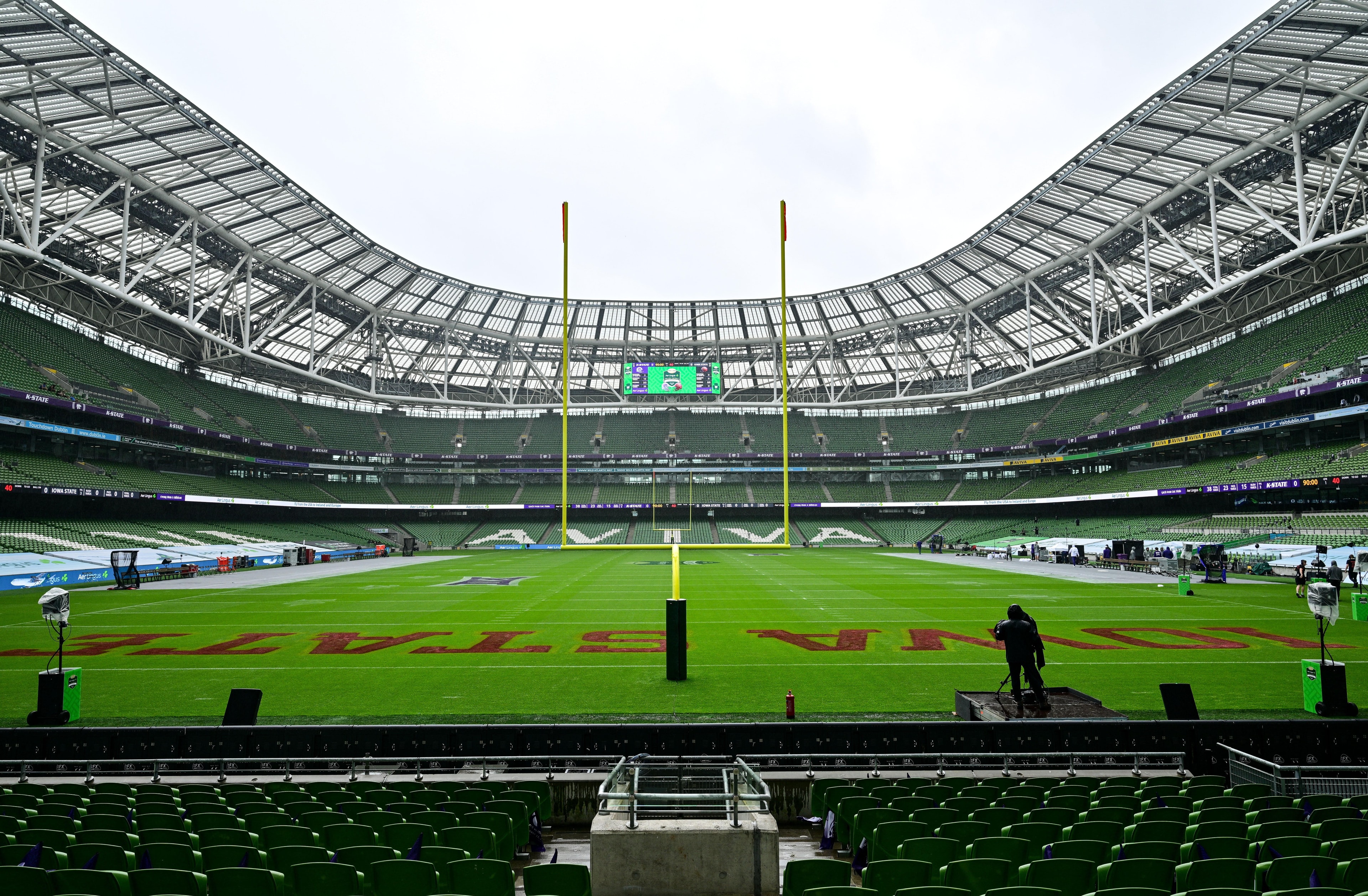
The column frames the off-season as more tumultuous than usual, not by asserting a specific single event, but by bundling several categories of change that have defined the modern era of the sport. Coaching transitions alter culture and play-calling. Transfers reshape position groups. Stadium and facility projects, which often include upgraded seats, modernized training spaces, and expanded fan areas, have their own timelines and can become part of the public narrative even before a ball is kicked in anger.
What makes this moment feel different for many supporters is the compounding effect. When multiple programs are changing coaches at the same time, adding and subtracting players through the transfer portal, and rolling out visible physical improvements, the offseason stops being a quiet bridge and becomes a continuous headline cycle. MMQB’s take is essentially that the fan experience has become more exhausting, even as the league’s underlying rhythm, fall camp into the first games, remains the same.
The sports calendar is also pushing toward a clearer set of answers. In late August, the questions that mattered during the off-season start narrowing: which quarterback room looks stable, which coordinators can install and adjust quickly, which offensive lines can handle the first real tests, and how quickly new rosters and new coaching staffs can play with shared timing. Those are not glamorous storylines, but they are the only ones that hold up once the season begins.
Still, there is a limit to what can be concluded from the offseason’s noise. Coaching changes can be real progress or merely a different vocabulary. Transfers can be immediate upgrades or temporary fixes. Construction and facility improvements can boost the presentation and the day-to-day environment, but they do not automatically translate into better results on Saturdays. The end of the offseason is a chance to replace conjecture with performance, and that is why the transition matters.
The practical watch point over the next few weeks is how quickly teams settle into roles. That includes identifying starting lineups, seeing how the new depth charts handle injuries and rotation, and tracking whether schemes match the personnel. It also includes watching for early signs of chemistry, especially for players who moved in through the transfer portal and now have to learn terminology and timing with fewer spring months than older arrivals would typically enjoy.
As fall camp and the season approach, the biggest takeaway from MMQB’s column is that the long wait is ending. For fans, that means less time spent refreshing rumors and more time measuring what actually happens when the lights come on. For programs, it means the offseason work will be evaluated in full view, and the sport’s latest cycle of change will either translate into momentum or force new adjustments almost immediately.
Why It Matters
- When coaching, roster, and facilities storylines overlap, teams enter the season with more variables to manage, increasing the chance of early swings.
- Fall camp and first games become the moment to separate hype from on-field readiness after an offseason filled with change.
- Transfer-driven roster turnover can shorten the margin for error, making early chemistry and communication especially important.
- Visible construction and upgraded environments can shape the fan experience, but they also set heightened expectations that are felt once games start.
Key Facts
- MMQB characterizes the 2026 off-season as unusually disruptive for college football fans.
- The column cites multiple types of offseason change, including coaching changes and transfer activity.
- It also references stadium or facilities construction as part of the broader offseason narrative.
- The emphasis of the piece is that the off-season is ending and fall evaluation is beginning.