
THE APEX TIMES
Chicago will manage closer Daniel Palencia’s workload and availability after imaging confirmed a mild strain in his right elbow flexor area, a development that reshapes the team’s late-inning stability in the short term.
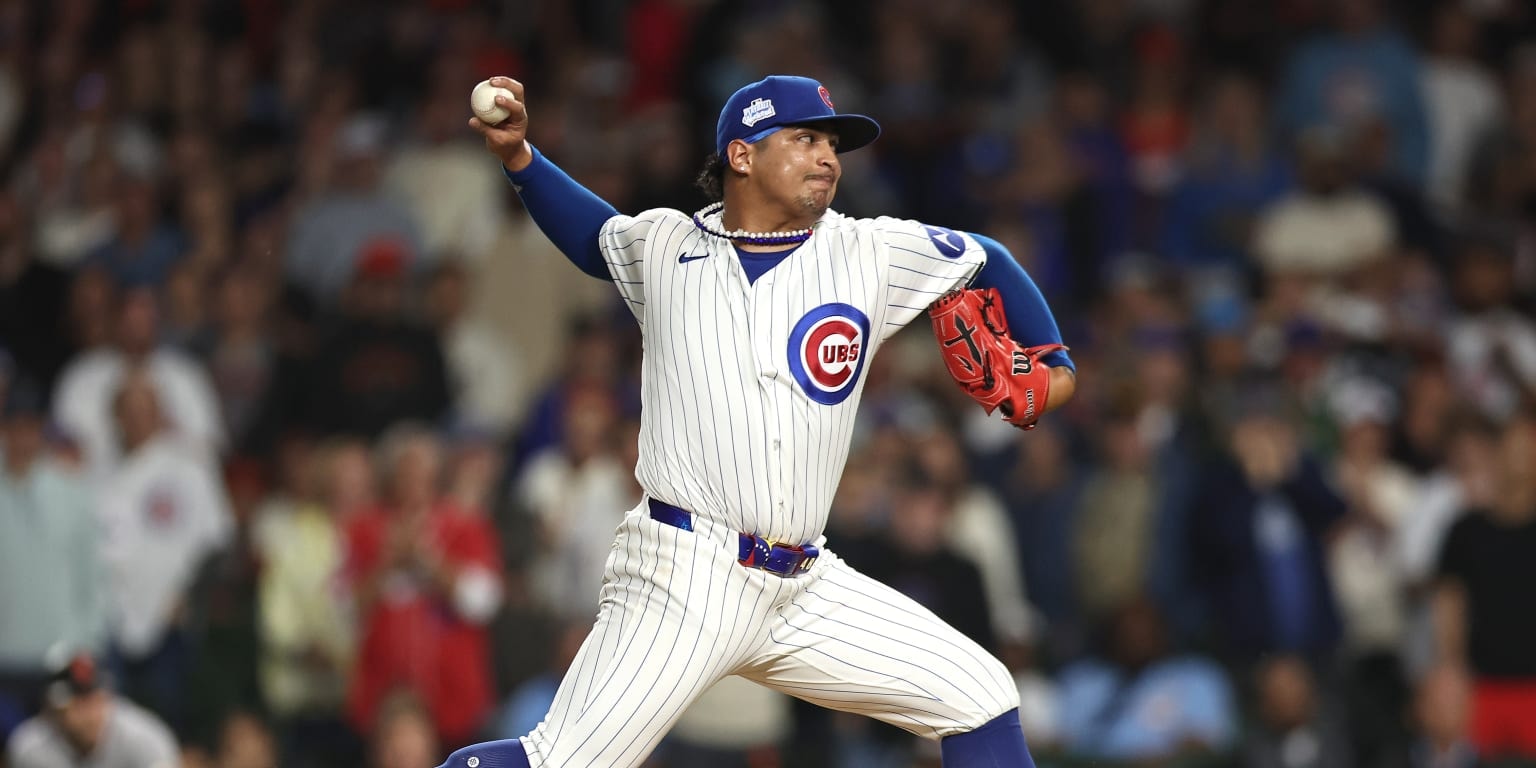
The Chicago Cubs took a cautious approach with closer Daniel Palencia after several days of monitoring an ailing right elbow. On June 20, the team confirmed that an MRI was performed, and the results indicate a mild right flexor strain. While any elbow finding is a risk for a pitcher whose job depends on repeated high-velocity throws, the Cubs framed the diagnosis as encouraging relative to more severe alternatives.
Manager Craig Counsell addressed Palencia’s status after the decision to pursue imaging. In situations like this, the key is not only what showed up on the scan, but also what did not. The “mild” classification matters because it typically suggests a shorter recovery window than strains that involve greater structural damage, and it can allow the organization to plan bullpen usage with more confidence than if the tests had revealed a serious tear or lingering inflammation requiring a longer shutdown.
Palencia’s role makes the timing especially consequential. As the Cubs’ closer, he is the late-inning option the team expects to turn one-run or save situations into outs. Even with a mild strain, the Cubs have to decide how to protect the elbow during the days that follow, when workload management can be the difference between a manageable stint on the shelf and a lingering setback that affects multiple outings.
The Cubs will likely prioritize controlled pitching for Palencia, along with re-evaluation as symptoms are tracked. Mild strains often require a measured progression that includes rest, followed by a gradual return to throwing, then an escalation back toward game intensity. For Chicago, the immediate objective is to limit stress on the elbow while maintaining a bullpen plan that still has reliable leverage arms ready for the ninth inning and other late-game moments.
This diagnosis also tests Chicago’s depth and bullpen flexibility. When a closer is under a health cloud, teams frequently shift roles internally, asking setup pitchers and long-relief options to handle more high-leverage innings than they would on a normal week. The Cubs’ approach will be watched closely because it can reveal whether they plan to bridge with a single primary alternative or spread late-inning responsibility across multiple relievers to keep everyone fresh.
Palencia’s next steps will determine how quickly the Cubs can restore the lineup of their bullpen to its preferred form. With the MRI result describing a mild right flexor strain, the outlook is better than if the injury had been categorized as severe, but his availability is still tied to how his elbow responds to rest and a return-to-throwing program. Over the coming days, the most important question is whether he can resume pitching without symptoms worsening, and whether the bullpen adjustments can remain effective until he is cleared for full responsibility.