
THE APEX TIMES
Nationals’ 2027 Outlook: A Case for Platooning Daylen Lile and Dylan Crews in the Outfield
With two highly regarded young hitters drawing attention, Washington’s next competitive step could be found in a simple, roster-level strategy: matchups. A suggested platoon plan would try to turn complementary skills into consistent production as the club chases relevance.
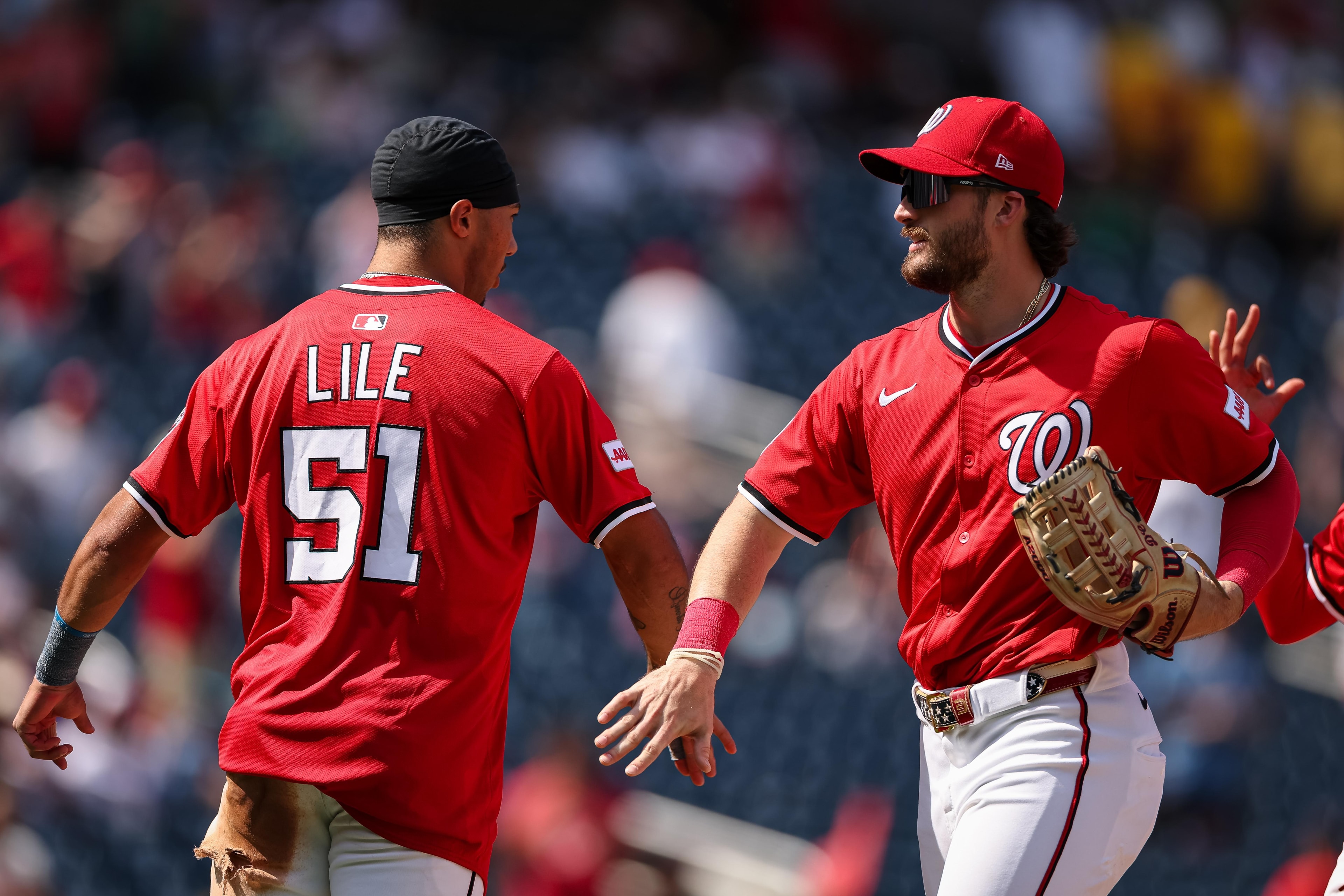
The Washington Nationals are in a developmental phase, but the organization is also trying to convert promise into wins. A proposal making the rounds centers on an outfield platoon in 2027, pairing Daylen Lile and Dylan Crews in a way that can maximize their strengths against different types of pitching rather than forcing both to play every day.
Lile’s case is built around performance from his first taste of the majors. Entering 2026, he had followed a breakout rookie stretch with an impressive 131 wRC+ across 91 games, including a strong September that helped earn him a player-of-the-month award. He also finished in the top five of NL Rookie of the Year voting, a level of recognition that indicates more than just flashes for the left-to-right lineup rhythm Washington has been trying to establish.
Crews’ argument is more complicated, but not dismissible. Dylan Crews had not produced the same kind of sustained big-league storyline at the time of the discussion, and he also missed much of 2025 due to injury. Still, the idea behind the platoon is that the raw tools and draft pedigree that brought him into the organization are backed by enough legitimate upside that Washington could structure playing time to avoid the downs and stabilize the ups.
In baseball terms, platooning is not just about giving two players at-bats, it is about shaping how the lineup and defense function over the course of a season. The suggested approach would treat Lile and Crews less like “competing starters” and more like a matchup pair. If both can contribute meaningfully, Washington could preserve defensive stability and keep offensive output from swinging as pitchers and game plans change from series to series.
The appeal for Washington is timing. A team building toward contention generally needs a blend of readiness and predictability, and a platoon can be a way to reduce volatility while letting a young core keep growing. Lile’s production baseline, at least as described from his rookie campaign, suggests he can hold up in major-league matchups, while Crews’ profile could be managed with careful usage until he is consistently available.
There is, however, a practical caution. Platoons require rhythm, not just at-bats. Young outfielders must learn how their timing changes when they sit, how their approach evolves when the handedness matchup is locked in, and how to maintain defensive readiness even when their role is more situational than constant. If either player’s comfort or consistency were to lag, the very flexibility that makes platooning attractive could become a drag on development rather than a boost to wins.
For 2027, the key storyline to watch is not whether the Nationals platoon in general, but whether Washington can identify the exact situations where Lile and Crews together produce the most. If the strategy translates into steadier run creation and better day-to-day lineup performance, it could serve as a bridge from “promising” to “contending,” giving the Nationals a clearer competitive identity as roster decisions around them become more urgent. If not, Washington likely has to revisit who can handle everyday responsibility and who needs a different role.
Ultimately, the proposal is best read as a roster blueprint rather than a prediction. The best version of this plan would keep both players on a path to improvement while turning their matchups into a reliable offensive engine. Whether that happens will depend on how Lile and Crews perform over the next stretch and how Washington’s broader construction supports an outfield that can flex instead of forcing one-size-fits-all usage.
Why It Matters
- A Lile-Crews platoon would be a concrete way for Washington to turn two young talents into consistent production rather than relying on one daily starter.
- If matchup-based usage works, it can help shape a more reliable lineup and reduce offensive swings during a rebuilding-to-competitive transition.
- The plan also affects roster construction decisions, because it changes how Washington values everyday outfield defense versus situational offensive impact.
- For player development, platooning can either stabilize young players’ timing and confidence or hinder rhythm if roles are not managed carefully.
Sources
Key Facts
- The Nationals are considering an outfield platoon plan involving Daylen Lile and Dylan Crews for 2027.
- Daylen Lile is described as coming off a rookie season with a 131 wRC+ over 91 games.
- Lile’s rookie campaign included a strong September that earned him a player-of-the-month award.
- Lile finished top five in National League Rookie of the Year voting, according to the discussion.
- Dylan Crews had not yet strung together much big-league success at the time, and he missed much of 2025 due to injury.
- The rationale for Crews includes his draft pedigree and bursts of success, even with uneven big-league results to that point.