
THE APEX TIMES
Nationals add another 9th-inning meltdown to the season’s list of breakdowns
Washington’s late-inning collapse featured Max Kranick and Tom Cosgrove, continuing a recurring theme of preventable late-game sloppiness.
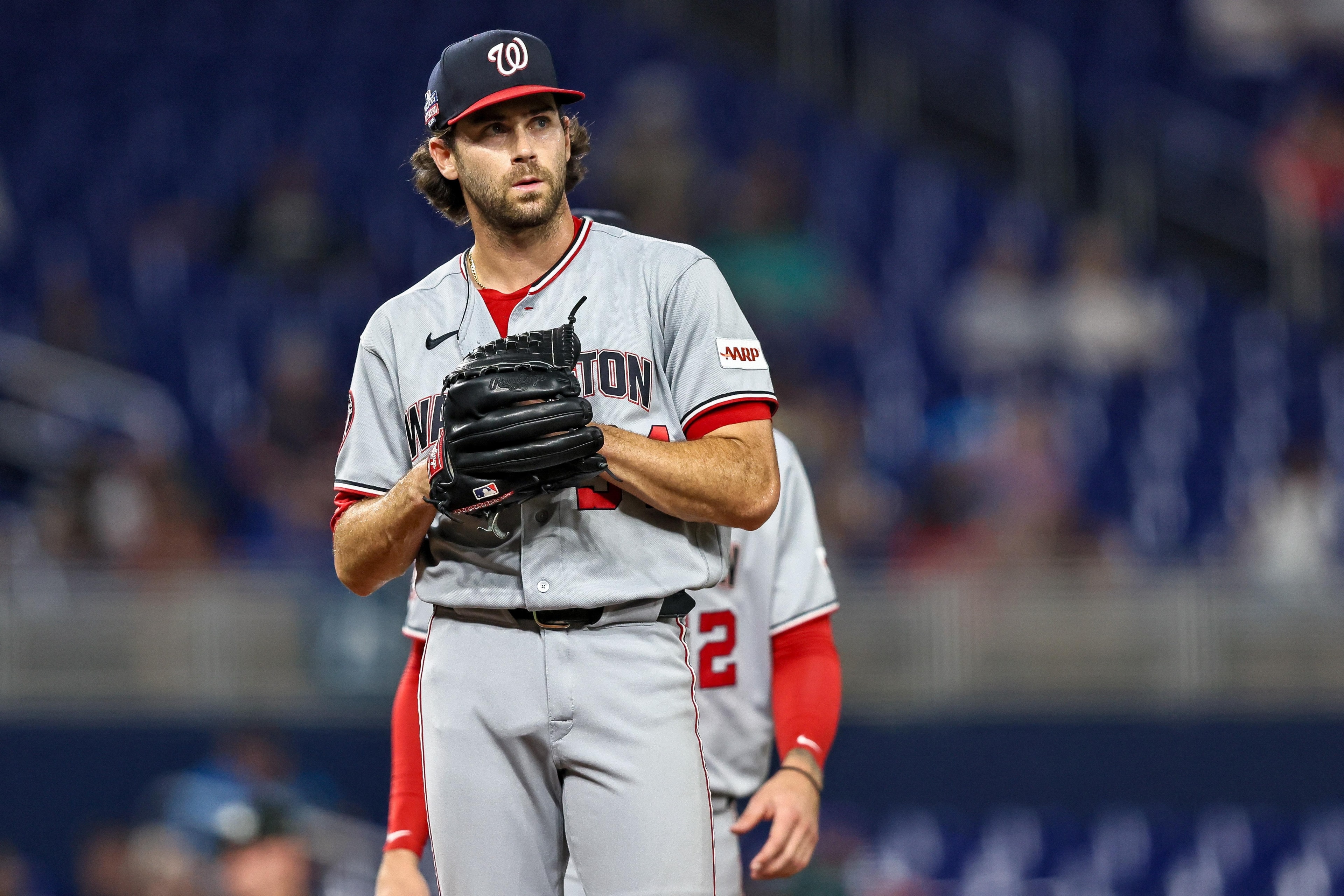
The Washington Nationals are again left to explain how a game turned into a public unraveling late. In the latest example of the team’s struggles, the bullpen breakdown in the ninth inning became the defining moment, with Max Kranick and Tom Cosgrove charged in the game’s closing deterioration.
The Yahoo Sports report frames the outing as one more entry in what has become a lengthy catalog of Washington’s 9th-inning meltdowns. The story does not suggest this was necessarily the single worst collapse of the season, but it characterizes the performance as among the sloppiest and most self-destructive, a label that speaks to both execution and decision-making in the highest-leverage frame.
Kranick and Cosgrove, identified by name in the report, are the focus because they were involved in the sequence that allowed the late swing. That matters in MLB because the ninth is where managers most want clean outs and where small errors can become multi-run damage quickly, turning a manageable lead into a lost game in minutes.
The report’s broader point is about pattern, not just a one-off inning. It suggests the Nationals’ list of embarrassing late collapses has already reached a level where the fan and media imagination is running out of new adjectives. When a team repeatedly finds itself in the same late-game failure mode, it increases scrutiny on bullpen usage, matchup planning, and the ability to reset after early momentum slips.
Because the available information here comes from a secondary account rather than an official game recap, specifics such as the exact scoring sequence, the number of batters faced, and which at-bats turned the inning are not included. What can be stated with confidence from the report is the timing (the ninth), the theme (collapse), and the personnel tied to the inning’s outcome (Kranick and Cosgrove).
What to watch next for Washington is whether this is another “one-night” sorting problem or whether the organization’s later-inning approach changes. In teams dealing with repeated bullpen volatility, the follow-through often looks like revised roles, different leverage assignments, and tighter sequencing decisions as the season moves toward the postseason conversation.
For now, the immediate takeaway is stark: late innings have become the Nationals’ most visible weakness. Against quality opposition, those ninth-inning failures are often the difference between a respectable season and one remembered mostly for what went wrong in the final outs.
Why It Matters
- Repeated ninth-inning failures change how opponents and managers view a team’s bullpen leverage, especially in close games.
- When late-game meltdowns become a pattern, they intensify pressure on bullpen roles and in-game decision-making.
- For Washington, late-inning collapses can directly affect standings outcomes and the margin for error across a long season.
- The public nature of these innings can weigh on clubhouse confidence, which can then influence future high-leverage performances.
Key Facts
- A Yahoo Sports report highlights another Washington Nationals ninth-inning collapse in an embarrassing late-game outcome.
- The inning’s breakdown is attributed to Max Kranick and Tom Cosgrove in the account.
- The story characterizes the collapse as among the most sloppiest and most self-destructive of the Nationals’ season.
- The report frames the incident as part of a recurring pattern, with other late collapses already making a “catalog.”