
THE APEX TIMES
Nationals embrace two different pitching identities in Yovanny Cruz and Will Dion
At the deadline, Washington added two arms with strikingly different fastball profiles. The contrast is becoming a case study in why velocity is only one part of pitching value.
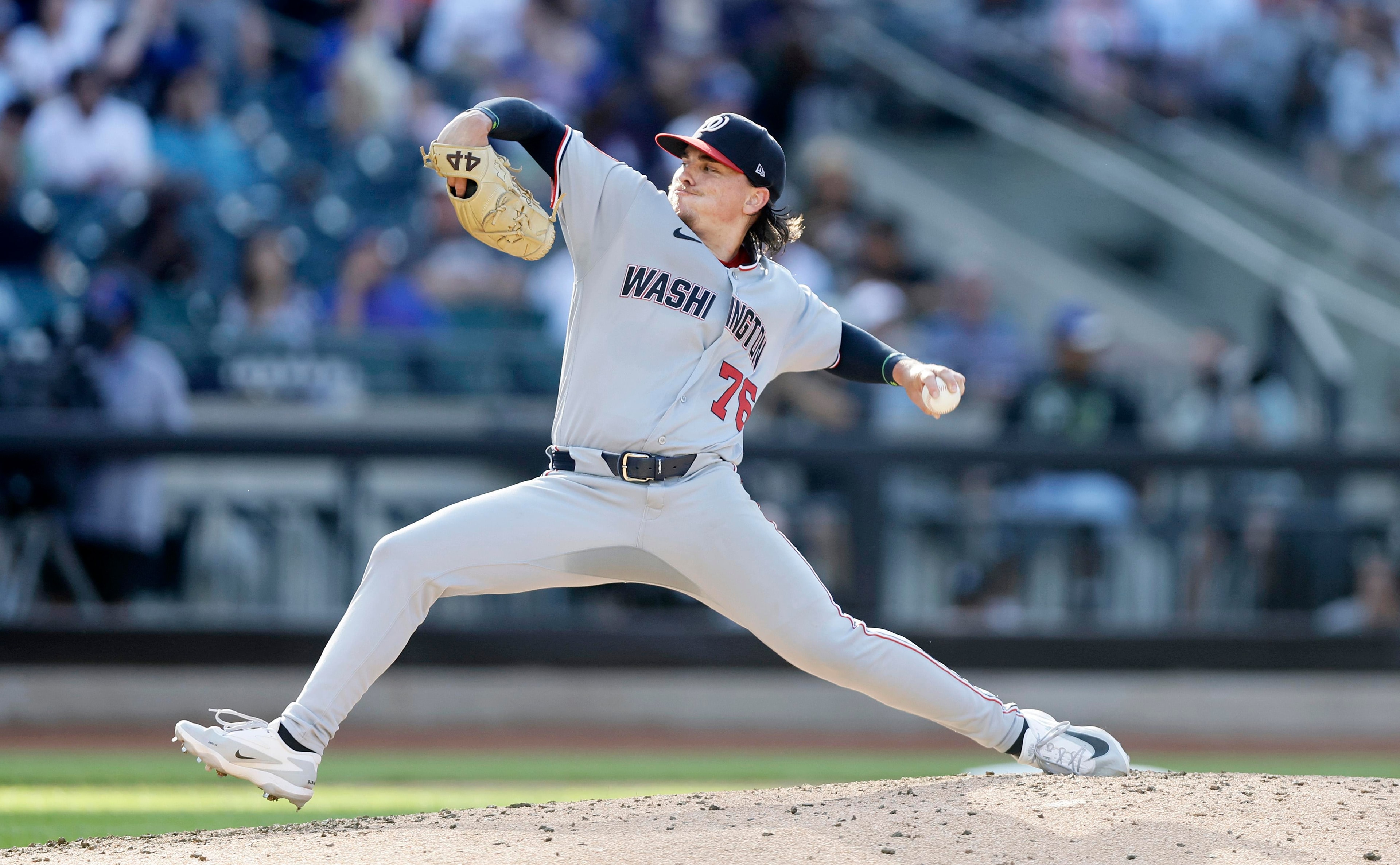
The Nationals’ recent additions have put two relief and swing-spotlight types of fastballers on the same roster page, even if they do not pitch alike. Yovanny Cruz and Will Dion were both acquired at the MLB trade deadline, and the storyline around them centers on a simple idea with complicated execution: raw velocity is not automatically the best fastball. In fact, a large gap in top-end speed has coincided with a much smaller gap in practical impact.
Cruz, as described in coverage of Washington’s pitching decisions, is the “flamethrower” profile. He is characterized as averaging about 100 mph, an out-and-out velocity play that can create early swing-and-miss or hurried contact when the pitch holds up in the zone. Dion, by contrast, is described as sitting around 91 mph, roughly 10 mph slower than Cruz. On paper, that difference sounds like a talent gap. But the argument in the reporting is that Dion’s heater is more effective, not merely softer.
The deeper point is not that velocity never matters, but that effectiveness emerges from more than one measurable. The reporting frames Dion as someone whose fastball, despite its lower speed, better fits the mechanics and command needed to turn fastball velocity into results. That distinction matters in a bullpen environment where hitters are quick to adjust, and pitchers have to win with location, movement, and sequencing rather than pure speed alone.
In Washington’s case, bringing in two contrasting fastball archetypes at the same time also shows how a modern front office tries to hedge against uncertainty. Velocity can be unstable, especially for pitchers who may need to manage innings, roles, or batter matchups. “Softer” can also be unstable if it lacks the deception or command to keep hitters off balance. Having both types can give a manager more options against different swing tendencies, even if they arrive with very different pitch signatures.
For fans, the immediate takeaway is the eye test paired with the stat sheet. If Cruz is the standard-bearer for what a near-100 mph fastball can look like in a high-leverage setting, Dion is the counterpoint: a pitcher can be valuable without elite speed if the fastball plays better once it hits the game plan. What to watch next is how Washington deploys them by inning and batter handedness, and whether Dion’s “more effective” fastball claim holds up in the tightest parts of games.
There is, however, an important caveat to keep in mind. This is an interpretive analysis grounded in reported velocity profiles and scouting-style reasoning, not a claim that either pitcher has definitively outperformed the other across a long sample in the way a full season review would require. Pitching value can swing week to week as hitters adjust, the strike zone changes, and pitchers fine-tune command.
Still, the broader implication for the Nationals is clear: the franchise appears to be leaning into process-driven pitching evaluation. Velocity helps, but the organization is also willing to bet that outcomes are produced by how well a fastball is executed, not just how fast it is thrown. In a sport where relievers live and die on fractions of a second, that kind of roster logic can matter more than a single radar reading.
Why It Matters
- If Dion’s fastball is indeed more effective than Cruz’s, it reinforces how teams evaluate pitch quality beyond radar speed.
- Two deadline additions with very different velocity profiles can give Washington flexibility in bullpen matchups and late-inning tactics.
- The contrast highlights how hitters adapt to velocity, which can increase the value of command, movement, and deception.
- For the Nationals, successful integration of both types could improve consistency across different game states rather than relying on one dominant trait.
Key Facts
- The Nationals acquired Yovanny Cruz and Will Dion at the MLB trade deadline.
- Cruz is described as averaging around 100 mph on his fastball.
- Dion is described as sitting around 91 mph on his fastball.
- The comparison is used to argue that Dion’s fastball is more effective despite the lower velocity.
- The reporting frames the difference as a matchup and execution issue rather than a simple speed-to-value equation.