
THE APEX TIMES
Nationals fast-track No. 8 prospect Kent for MLB debut as Jake Irvin’s workload strains bullpen
Washington pivots toward a development-and-survival approach in a key stretch, promoting a highly regarded minor-league arm while leaning heavily on relievers through the Cubs series opener.
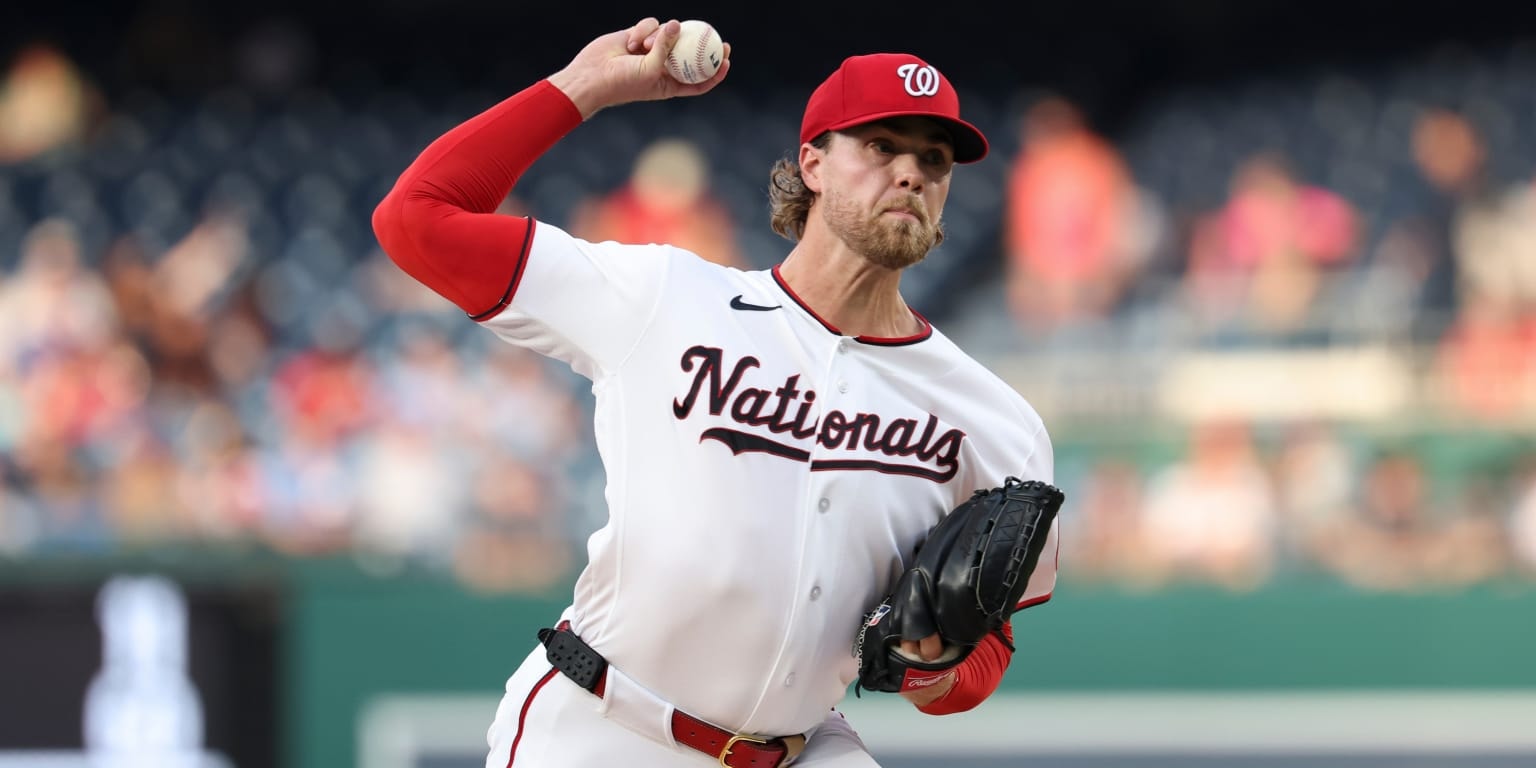
The Washington Nationals entered their Tuesday night game against the Chicago Cubs with an opening plan built around starting pitching, but the first stretch of the series forced a different kind of management. The Nationals ultimately used their bullpen more than intended after right-hander Jake Irvin was taxed early, needing a high pitch count to work through his outing.
Irvin threw 88 pitches in the start, a detail that captured the pressure on Washington’s relief corps. In a season where innings tend to be planned in advance and relief availability is shaped by one-day and two-day needs, a start that runs long or fails to clear key innings can quickly turn a matchup into bullpen management.
The broader context for Washington’s choices has been visible across this weekend. The Nationals had strategized for a bullpen game on Sunday to sweep the Cincinnati Reds, a plan that reflected both the state of their pitching resources and the practical need to keep the bullpen usable for immediate results. That tactical flexibility carried implications into the week, as any additional strain from the Cubs opener made it harder to preserve relievers for later games.
With the bullpen already expected to play an outsized role, Washington also made a move that indicates a willingness to change the picture rather than simply patch it. The club is promoting its No. 8 prospect, Kent, for his Major League debut, positioning him as a new option in the organization’s near-term pitching rotation and leverage planning.
The promotion also provides a clear organizational message: the Nationals are preparing to meet major-league demands with internal pitching development, not just by rearranging matchups in the short term. A debut is rarely just about the game in the box score; it is also about how a young pitcher handles the rhythm of MLB lineups, the pacing of innings, and how the staff manages pitch counts and bullpen matchups around his workload.
For Washington, the immediate challenge is balancing two priorities at once. One is competitiveness during a stretch in which pitching innings have been harder to control. The other is making sure Kent’s first outing is integrated responsibly, without forcing Washington to overextend relievers again.
What to watch next is whether the Nationals can turn the bullpen-heavy approach into a sustainable pattern. If Kent can help stabilize the staff, it could reduce the need for additional emergency reliever innings and give the team more consistent leverage options. If the bullpen remains taxed, Washington’s ability to sequence pitchers and manage recovery will likely become the deciding factor as the series continues.
Why It Matters
- Pitching management is central to how teams protect bullpen availability over multiple days, and Irvin’s 88-pitch outing increased that pressure.
- Promoting a high-ranked prospect like Kent changes Washington’s immediate rotation and bullpen planning, potentially reducing reliance on emergency pitching.
- A debut can influence how Washington builds for the future while still trying to control short-term game outcomes.
- The Nationals’ approach highlights a shift toward flexibility, using both roster changes and bullpen tactics to keep results within reach.
Sources
Key Facts
- The Nationals used a bullpen-heavy approach to sweep the Reds on Sunday.
- In the series opener versus the Cubs on Tuesday at Nationals Park, Jake Irvin’s workload ran long.
- Irvin threw 88 pitches in that start.
- Washington promoted Kent, its No. 8 prospect, for an MLB debut.
- The Nationals’ pitching decisions reflected the need to rely on relievers more than initially planned in the Cubs opener.