
THE APEX TIMES
Nationals’ Paul Toboni emphasizes player development as farm system deepens
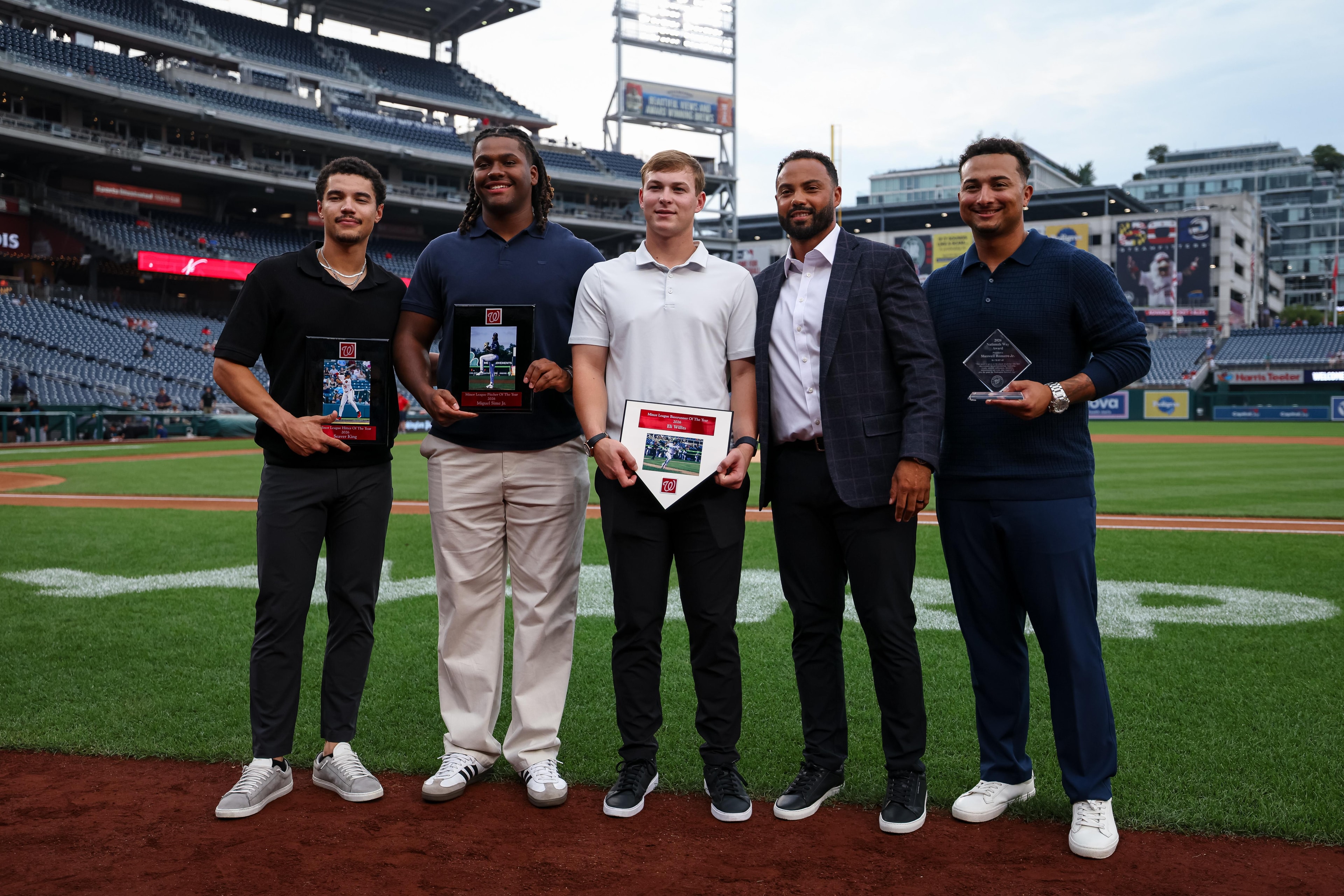
A year into Paul Toboni’s tenure as Washington’s President of Baseball Operations, the Nationals’ rebuilding model is showing up most clearly in the minor leagues, where the organization says it has built stronger depth and a more consistent development pipeline.
The Washington Nationals are pointing to their farm system as evidence that the rebuild is moving from concept to execution. In assessing the organization’s progress during Paul Toboni’s first year running baseball operations, Yahoo Sports highlighted a system that has become notably deeper and healthier, with growth most visible across the minor leagues rather than only at the major-league level.
Toboni’s mandate, as described by the report, has centered on building what he has characterized as a “scouting and player development monster.” The idea is not simply to add prospects, but to connect evaluation, instruction, and progression so that more players reach the majors with fewer dead ends. The Nationals’ improvement, according to the same account, is tied to that emphasis on development infrastructure and consistent player advancement.
While the piece frames the farm system as the primary payoff, it also notes that development has appeared at the MLB level. That matters because it helps validate the notion that internal changes are producing results that travel upward, not just generating minor-league volume. The Nationals’ challenge, as with most organizations trying to climb back from extended cycles of roster turnover, is converting talent accumulation into sustained performance across seasons.
A deep farm system changes the practical math of roster building. Teams with a wide base of live prospects can withstand variability in individual player development, including the common risks that prospects face as they move up levels. Depth also gives front offices more flexibility at the trade deadline and in offseasons, because the pipeline can absorb departures without gutting the organization’s long-term talent base.
For fans and evaluators, a “healthy” farm system typically means more than a single high-end arm or a lone position prospect. In the context of the Nationals, the report emphasizes breadth, suggesting the organization believes it has built enough quality across levels to keep competition strong within the minor-league affiliates and keep major-league options expanding rather than narrowing.
Still, it is important to treat a general assessment cautiously. Yahoo’s account is an interpretive overview rather than a granular ranking, and it does not, by itself, provide a level-by-level breakdown or specific prospect list. What it does provide is a clear throughline for how Washington is attempting to modernize its player-development approach under Toboni and why the organization wants patience for a process that is designed to compound.
Looking ahead, the next test will be whether the farm’s depth continues to show up as a steady stream of contributors. The most revealing indicators will be promotions handled without large drop-offs in performance, continued maturation across multiple positions, and the ability to keep recruiting and development synchronized as the organization’s internal standards evolve.
If Toboni’s framework keeps working, it could reshape the Nationals’ next roster identity. Instead of relying on short bursts of major-league relevance, Washington’s goal appears to be sustained competitiveness supported by an internal pipeline that can replenish the lineup and pitching staff over multiple seasons, even as individual prospects rise and new draft classes arrive.
Why It Matters
- A deeper farm system gives the Nationals more resilience against the natural variance of prospect development, improving long-term roster stability.
- If player-development changes produce consistent MLB-level outcomes, it strengthens Washington’s case that its rebuild is not just accumulating talent, but converting it.
- Depth across the minors can affect future roster construction, including call-ups and the ability to trade without weakening the long-term pipeline.
- Sustained development output is a key ingredient for any team trying to build competitiveness over multiple seasons rather than one-off surges.
Sources
Key Facts
- Yahoo Sports reported that the Nationals’ farm system is in a healthier, deeper state after Paul Toboni’s first year as President of Baseball Operations.
- The report ties Toboni’s approach to building a “scouting and player development monster,” emphasizing both evaluation and instruction.
- The same account suggests the benefits of the new approach are visible in the minor leagues more than elsewhere during this early stage.
- The report describes development as appearing at both the MLB level and within the minors, but frames the farm system as the clearest payoff.
- The assessment is presented as an organization-wide development overview, not a detailed prospect-by-prospect or affiliate-by-affiliate breakdown.