
THE APEX TIMES
Nationals ponder the Trade Deadline after flipping the script from sellers to contenders-in-waiting
With the second half beginning and the July roster crunch closing in, Washington’s Trade Deadline identity is suddenly unclear. The club that had leaned sell mode since 2021 now looks built to compete, highlighted by an offense that has surged into the league’s top group.
The Washington Nationals are entering the Trade Deadline conversation from an unfamiliar position. For several years, they were expected to sell at the deadline as they transitioned, but the franchise has exceeded those expectations in 2026 and is playing around.500 baseball, according to MLB’s preview of the team’s decision-making.
What has changed is more than just results. The Nationals have developed a lineup profile that is hard to treat as purely transitional, as they are tied for the league’s leading offense. MLB’s team preview points to that scoring surge as the core reason projections are no longer straightforward for Washington.
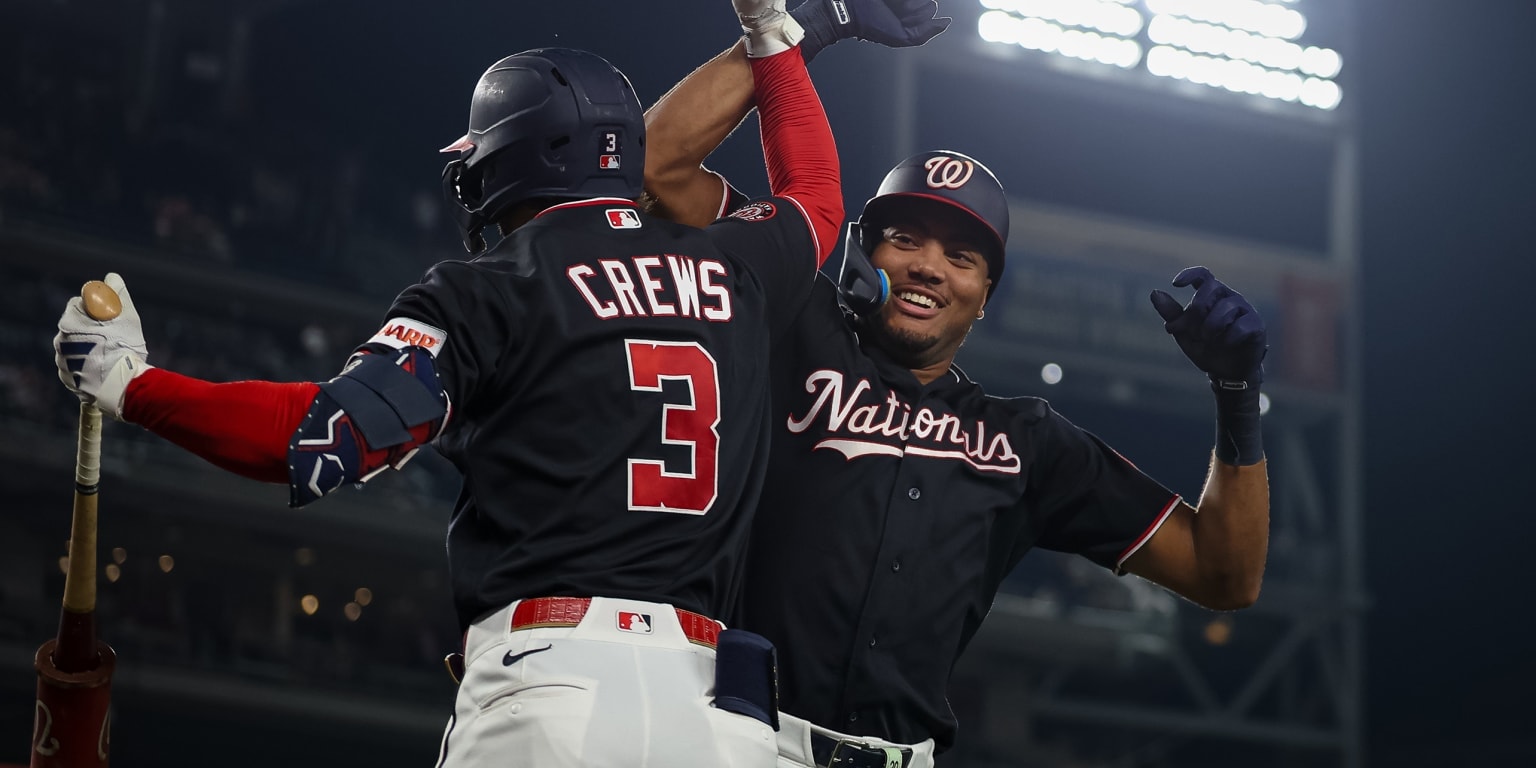
Central to the offense are two All-Stars who help define the Nationals’ current ceiling. MLB’s coverage highlights James Wood and CJ as the leaders of a unit that has made the team’s day-to-day identity look different than it did in earlier deadline cycles, when prospects and future payroll flexibility were typically the storyline.
That matters because the Trade Deadline is not just about whether a team can win a few more games in July. It also forces a choice about what kind of team Washington wants to be in the months ahead, and how much the organization is willing to bet on its current form versus continuing to reset for later contention windows.
The Nationals’ challenge is that their roster-building momentum can be interpreted two ways at once. On one hand, the club’s offensive production suggests it is capable of competing now, which increases the incentive to add pieces that fit a push. On the other, the organization’s recent history as sellers since 2021 means the front office is carrying institutional experience with deadline flexibility and roster churn.
MLB’s framing, specifically, is that “for the first time in recent years,” the Nationals do not have a clear-cut deadline direction. In practice, that uncertainty usually comes down to how clearly the team’s strengths translate into postseason realism as the second half approaches, and whether their offense is supported by enough consistency across the rest of the roster.
For Nationals fans, the next few weeks carry a simple watch list: whether Washington’s offense stays near the top of the league as games tighten, and how the front office balances its demonstrated ability to score with the long-term development plan that previously made selling the rational choice.
By the time the deadline arrives, the Nationals’ decision will effectively answer a broader question that has followed them for years: is this current group merely a turning point, or is it a foundation for a sustained push? MLB’s preview suggests Washington is at least close enough to the playoff picture that the answer is no longer predetermined.
Why It Matters
- Trade Deadline decisions can set the competitive identity for the rest of the season, especially for teams that have previously leaned sell mode.
- A top-tier offense can change how a front office evaluates whether to add now versus preserve assets for later.
- When a club’s results are around.500, the margin for choosing between immediate support and future planning narrows.
- The Nationals’ deadline approach could also influence how fans and analysts view the timing of Washington’s broader rebuild and contention window.
Key Facts
- MLB reports the Nationals have been sellers at the Trade Deadline since 2021.
- MLB says Washington is playing around.500 baseball in 2026.
- MLB reports the Nationals are tied for the league’s leading offense.
- MLB points to All-Stars James Wood and CJ as offensive leaders.
- MLB says projecting the Nationals’ Trade Deadline direction is not clear cut for the first time in recent years.