
THE APEX TIMES
Nationals string together small-ball beats Rockies, erupt for 13 runs behind CJ Abrams’ return
Washington broke open a tight deficit with bunts, bloops, and a couple of defensive mistakes, turning a sluggish stretch into an offensive swing in the middle innings.
The Nationals shook off a recent stretch of limited scoring and came out of the series opener against the Rockies looking for traction. After being held to six runs across their previous four games, and after Rockies pitching kept them hitless through the first four innings of Monday’s opener, Washington faced a 2-0 hole in the fifth inning. Instead of forcing power at the plate, the lineup shifted toward basics, stringing together precision at-bats and aggressive baserunning to build momentum that could not be easily contained.
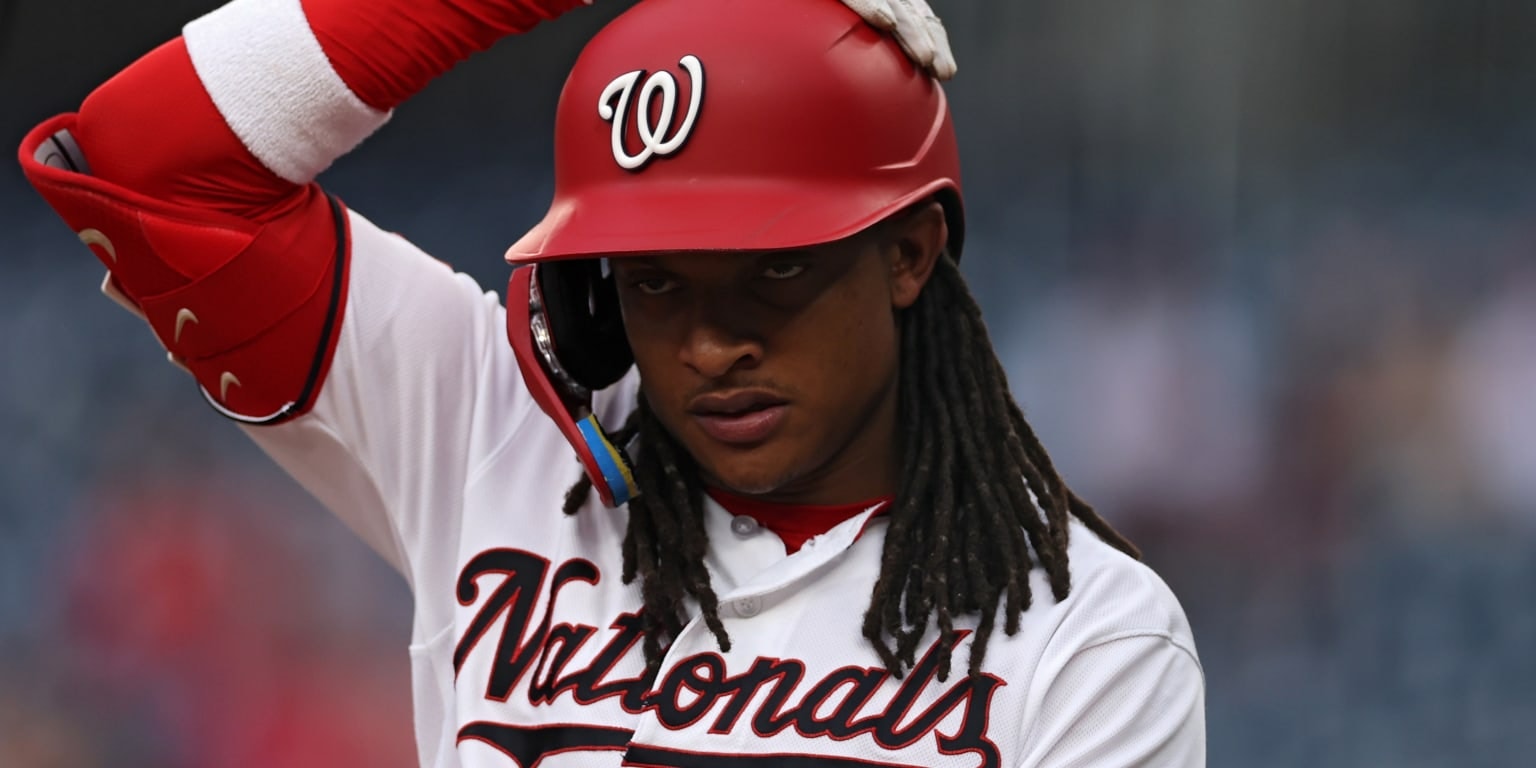
CJ Abrams’ return to the lineup set the tone early. With Washington trailing, the Nationals used the middle of the order and situational hitting to create opportunities rather than waiting for a single swing to turn the game. The inning began with an infield single that put pressure on the Rockies’ defense, and it quickly evolved into a series of plays that took advantage of small margins.
From there, Washington’s offense leaned into balls that find gaps and timing that bends outcomes. The Nationals recorded a bloop single, and they also produced a sacrifice bunt that moved runners and tightened the Rockies’ decision-making. Each touch of the bat changed the situation for the next batter, turning a deficit into runners-in-motion and, eventually, a multi-run inning that widened fast.
Baseball still has to cash in when the contact lands, and Washington did that repeatedly. The outburst included a two-base throwing error that extended the inning, along with additional base knocks that kept the lineup in motion. Rather than letting the Rockies slow the game down with outs and resets, the Nationals repeatedly put the ball into play in ways that forced fielders to make throws under pressure.
By the time the fifth inning and the rallies that followed had played out, the Nationals had put a 13-run outburst on the board. The headline number captured what the inning looked like at the ground level: a sequence of little things rather than one or two highlight swings, with the key swings coming at the exact moments when Washington needed runs most.
The larger storyline for Washington is how quickly a team can change its offensive identity in a single game. After sputtering through a four-game stretch and going without a hit for most of the early innings of the opener, Washington showed an ability to manufacture scoring without relying only on timing the hardest contact. What to watch next is whether the Nationals can carry this approach forward, especially in games where the ball is finding gloves early or starters settle into predictable patterns.
For the Rockies, the game offered a reminder that pitching accuracy and fielding sharpness still matter most in the middle innings. When innings extend, even well-thrown pitches can lose their value if the defense is forced into rushed throws and cleanup plays. The immediate follow-up will be whether Washington’s aggressiveness and small-ball focus affects how quickly Colorado can regain control of the strike zone and the running game.
Why It Matters
- The 13-run inning shows how quickly Washington’s season path can shift when small-ball execution clicks, especially after a recent low-scoring stretch.
- Abrams’ return to the lineup gave the Nationals a boost to their lineup rhythm and baserunning pressure, which helped turn a deficit into an offensive surge.
- For Colorado, the inning highlighted the risk of letting innings lengthen, particularly when defensive plays produce extra bases instead of clean outs.
- Games like this can shape how both teams approach the next matchup, with Washington encouraged to manufacture runs and Colorado emphasizing faster inning endings.
Key Facts
- The Nationals broke out for a 13-run outburst against the Rockies.
- Washington had scored just six runs across their previous four games before the outburst.
- They were hitless through four innings of Monday’s series opener against Colorado.
- Trailing 2-0, the Nationals generated most of the damage beginning in the fifth inning.
- The rally included an infield single, a bloop single, a sacrifice bunt, and a two-base throwing error.
- CJ Abrams returned to the Nationals’ lineup for the game described by MLB.