
THE APEX TIMES
Nationals stumble again at home, suffer 13-1 rout by Rockies as season turns sour
Washington’s latest blowout loss came in front of its home crowd, deepening an ugly stretch in which games not started by Cade Cavalli have offered little relief.
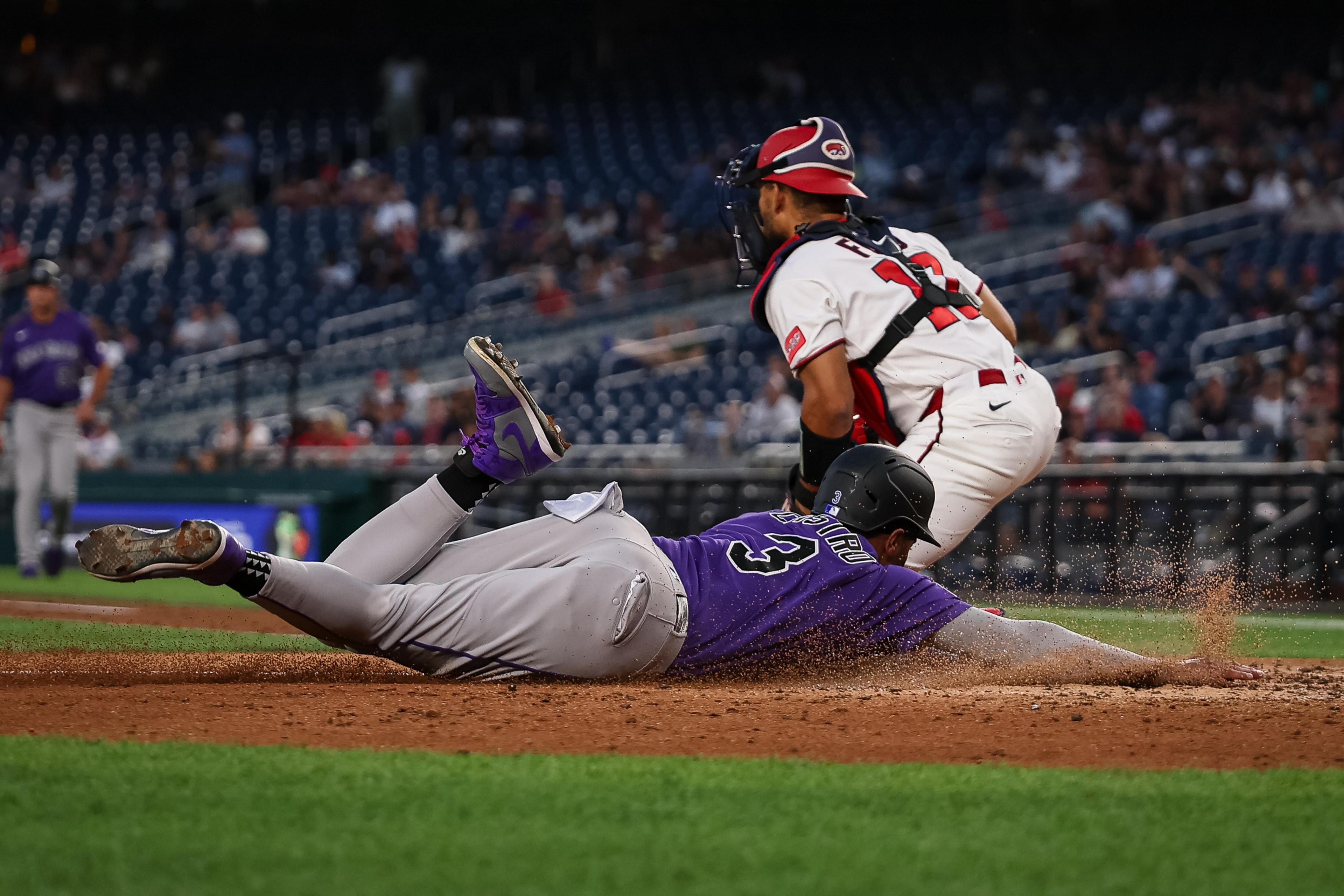
The Washington Nationals’ season drifted further toward frustration on Thursday, when the club was blown out at home by the Colorado Rockies in a 13-1 defeat. The margin was the kind that flattens a dugout and changes the tempo of a week, especially for a team trying to sustain momentum after a promising first half.
According to the account of the game, the Rockies delivered the latest in a run of humiliations, putting Washington at the wrong end of a score that made the evening feel routine in all the ways teams fear. Colorado’s 52-81 record entering the night underscores the gap between what Washington has generally needed from its own approach and what it has been getting lately, at least in this stretch.
A central point in the reporting was how uneven Washington’s recent outcomes have been depending on the starting pitcher. The piece argues that “every game not started by Cade Cavalli” has become a recurring source of pain, painting a picture of a rotation that has been too dependent on one option to steady the entire staff.
In the same context, the narrative ties the Nationals’ slide to what happened around the trade deadline. The article suggests that since the deadline, the team has lost the “spirit and soul” that made it compelling earlier in the season. That is not a stat-driven explanation, but it does reflect what often shows up when a roster is adjusted and clubhouse energy shifts, for better or worse.
From a baseball standpoint, a stretch of rough results tends to become self-reinforcing. When a team gives up runs in clusters, it forces catch-up swings, raises pitch counts, and shortens at-bats for an offense that needs rhythm to avoid chasing at-bat by at-bat. The Nationals’ 13-1 scoreline fits that pattern, and it also raises questions about whether the next few days can produce answers or only more evidence of the same gaps.
For the Rockies, the win adds to a season in which they have been able to finish opportunities strongly when they get enough early leverage. Even with Colorado’s record, a game like this can serve as a reminder to a team that performance can swing quickly when the lineup keeps creating problems early, and when the pitching can turn a lead into something that never looks close.
What to watch next for Washington is whether the club can broaden its reliability beyond single-game starts and whether its response changes the next few outings. If Cavalli continues to be the stabilizing factor, the Nationals will still have a plan, but a plan that works only one time through a rotation can fail quickly when the schedule stacks up and the bullpen absorbs the cost. The immediate next test will be how Washington handles the emotional and tactical rebound after another lopsided loss at home.
Why It Matters
- A blowout loss of this magnitude can affect bullpen availability and how quickly a team turns the page on both pitching and hitting routines.
- If outcomes are heavily dependent on one starter, it limits flexibility in roster planning and in how a team manages innings and matchups.
- The reported connection to the trade-deadline period highlights how quickly team-building changes can alter clubhouse energy and on-field identity.
Key Facts
- The Washington Nationals lost 13-1 at home to the Colorado Rockies.
- The game was described as the latest in a difficult stretch for Washington at the end of August 2026.
- The reporting tied Washington’s uneven run to whether a game is started by Cade Cavalli.
- The article also linked the downturn to events around the trade deadline, suggesting a shift after that point.
- Colorado entered the matchup with a 52-81 record, according to the description accompanying the report.