
THE APEX TIMES
Navy Accepts Next-Generation Aircraft: Modernizing Strategic Communications
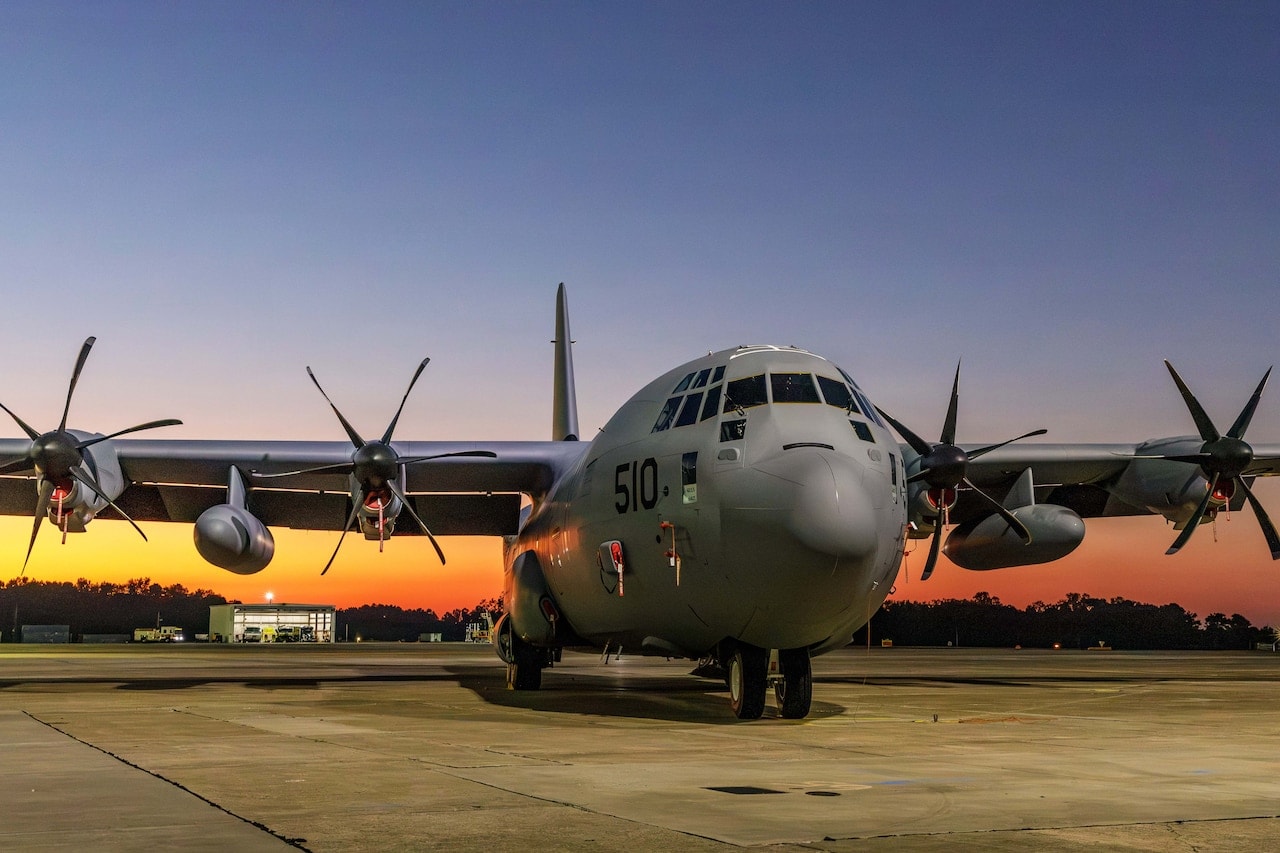
The Navy accepted a newly manufactured C-130J-30 Super Hercules aircraft from Lockheed Martin during a ceremony in Marietta, Georgia, marking the first step toward fielding the future E-130J Phoenix II.
The Navy accepted a newly manufactured C-130J-30 Super Hercules aircraft from Lockheed Martin during a ceremony in Marietta, Georgia, Oct. 15, marking the first step toward fielding the future E-130J Phoenix II.
The aircraft will serve as the host platform for the Navy's next-generation "Take Charge and Move Out" mission system, providing survivable, reliable and secure communications among the president, the secretary of war and U.S. Strategic Command.
The new airframe begins a planned transition, honoring decades of service from the legacy E-6B Mercury aircraft while laying the foundation for the future fight. The program designation Phoenix II symbolizes rebirth and nods to the EC-130Q Hercules platform the Navy used to execute the Take Charge and Move Out mission during the Cold War.
This modernized capability ensures the nation's nuclear command, control and communications architecture remains resilient and reliable. The updated platform also delivers the enhanced endurance, capacity and operational reach necessary to support mission success in complex global environments.
The event spotlighted the close partnership between the Navy and the defense industrial base. The newly delivered aircraft is the extended C-130J-30 variant, part of an initial procurement of three aircraft the Navy acquired in September 2024.
During the ceremony, Lockheed Martin representatives presented a commemorative plaque and ceremonial key to Navy Capt. Roger Davis, Airborne Strategic Command, Control and Communications Program Office commander.
"Today's delivery from the historic Marietta line represents far more than a new airframe; it marks the foundation of our future strategic deterrence posture," Davis said. "Through our close partnership with Lockheed Martin and our industry team, we are ensuring our nation maintains an unshakeable communications lifeline to our ballistic missile submarine fleet."
The ceremony also recognized the sailors assigned to Strategic Communications Wing 1 at Tinker Air Force Base, Oklahoma, who will operate and maintain the modernized fleet. Before the ceremony, select sailors participated in a fleet engagement day, which included simulator flights, production line tours and program briefings.
"Strategic deterrence is only as credible as our ability to communicate, and that mission rests in the hands of SCW-1's world-class sailors," said Navy Capt. David Gardner, the wing's commodore. "The E-130J will provide our sailors unmatched capability and next-generation survivable and reliable communications, ensuring our team continues to be the unbreakable link between the president and strategic nuclear forces."
Key Facts
- Official source: DOW News
- Published: Oct 16, 2:18 PM EDT
- Text source: DOW News official source page