
THE APEX TIMES
Nebraska’s Memorial Stadium makeover and Indiana visit put Matt Rhule’s rebuild under its biggest spotlight
An opinion argues Nebraska’s billion-dollar-style marketing won’t settle the program’s identity question, but Saturday’s matchup with Indiana arrives as the kind of measuring stick that can’t be merchandised away.
Nebraska has leaned hard into the spectacle of its football rebuild, turning the program’s internal frustration into public-facing theater. In a recent opinion piece, Yahoo Sports framed the latest stage of that effort as a response to years of chasing relevance, arguing that “selling urinals” and other teardown memorabilia cannot, by itself, erase the image problems the Cornhuskers have carried.
The backdrop is Nebraska’s on-campus football facility renovation, a high-profile effort tied to Memorial Stadium’s long history and to a broader push to redefine the modern program. The opinion describes the university’s spending as exceeding half a billion dollars for the Big Red rebuild, including changes intended to modernize a legendary venue and, critically, commercialize parts of the stadium’s transformation through memorabilia sales.
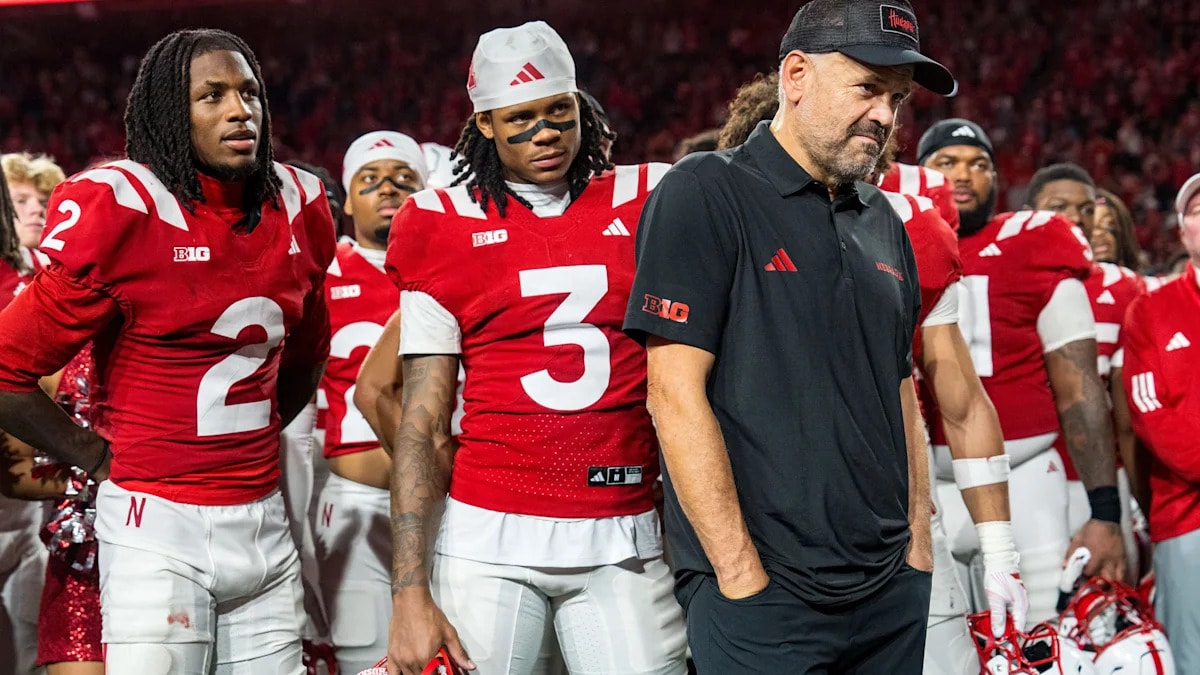
That framing matters because Nebraska’s rebuild is not simply about upgrading seats or concourses. Under head coach Matt Rhule, the program is attempting to convert institutional momentum and capital investment into on-field credibility, and the opinion suggests the contrast between those two timelines is where the pressure is building.
Indiana’s arrival in Lincoln is positioned in the piece as the rebuild’s most significant test, not because a single opponent can define everything, but because it is the kind of game that forces clarity. Nebraska cannot rely on narrative, optics, or renovation headlines if the product on the field does not match the scale of the stated turnaround.
The concern raised in the opinion is that Nebraska’s credibility deficit has become, in effect, a branding problem. When a program spends heavily and still needs to justify its direction every week, it creates a situation where even sincere infrastructure progress can feel like distraction. The piece treats the memorabilia angle as symbolic, arguing it is the wrong substitute for sustained performance.
At the same time, the stadium work itself is not trivial. Renovations to a major venue can affect recruiting, fan experience, and the day-to-day environment that players and staff inhabit. The real question, and the opinion’s central point, is whether those benefits can quickly translate into results strong enough to silence the broader skepticism.
For what to watch next, Nebraska’s response to Indiana is likely to be judged in the most unforgiving way possible, by what happens in the game plan and in execution. The buildup around Memorial Stadium’s transformation will continue, but the program’s next narrative chapter will depend on whether the “rebuild” label starts to look like a plan that is working rather than a plan that is always one season away.
Why It Matters
- Nebraska’s rebuild is being judged against the scale of its investments, raising the stakes of each early-season measuring stick.
- A home game versus Indiana in Lincoln is framed as an opportunity for clarity that can’t be replaced by facility headlines.
- The stadium renovation narrative intersects with recruiting and fan confidence, making on-field execution essential to sustain momentum.
- If results lag, branding and commercialization may amplify scrutiny rather than reduce it.
Sources
Key Facts
- Yahoo Sports’ opinion piece argues Nebraska’s efforts to modernize and monetize its stadium transformation will not automatically fix the program’s reputation problems.
- The opinion states Nebraska is spending more than half a billion dollars as part of its football rebuild and stadium renovation plans.
- The opinion characterizes Matt Rhule’s rebuild as facing its biggest test with Indiana coming to Lincoln.
- The piece uses the idea of selling teardown memorabilia such as urinals to illustrate a broader credibility and identity concern.