
THE APEX TIMES
NFC West teams begin building practice squads after 53-man cutdown, per Monday transaction review
With the NFL’s 53-man roster cutdown completed, clubs around the NFC West are starting the next phase of roster management. Pro Football Rumors’ Monday transaction roundup describes early tweaks that typically include waiver activity and practice squad construction for the 16-man unit.
After the league’s 53-man roster cutdown deadline passed Sunday, NFL teams shift quickly to the next stage of roster building. Monday’s NFC West transaction roundup from Pro Football Rumors highlights the typical early-week pattern: teams make small adjustments through waiver-related moves and begin assembling their practice squads, which can be up to 16 players. For clubs in the division, those first moves are rarely about headline departures or additions that immediately reshape starting lineups. Instead, they are about protection and flexibility, keeping a larger pool of players available for coaching evaluation and next-step development. The practice squad is also where teams can respond to injuries or matchup needs as training camp reshapes itself into the regular-season rhythm.
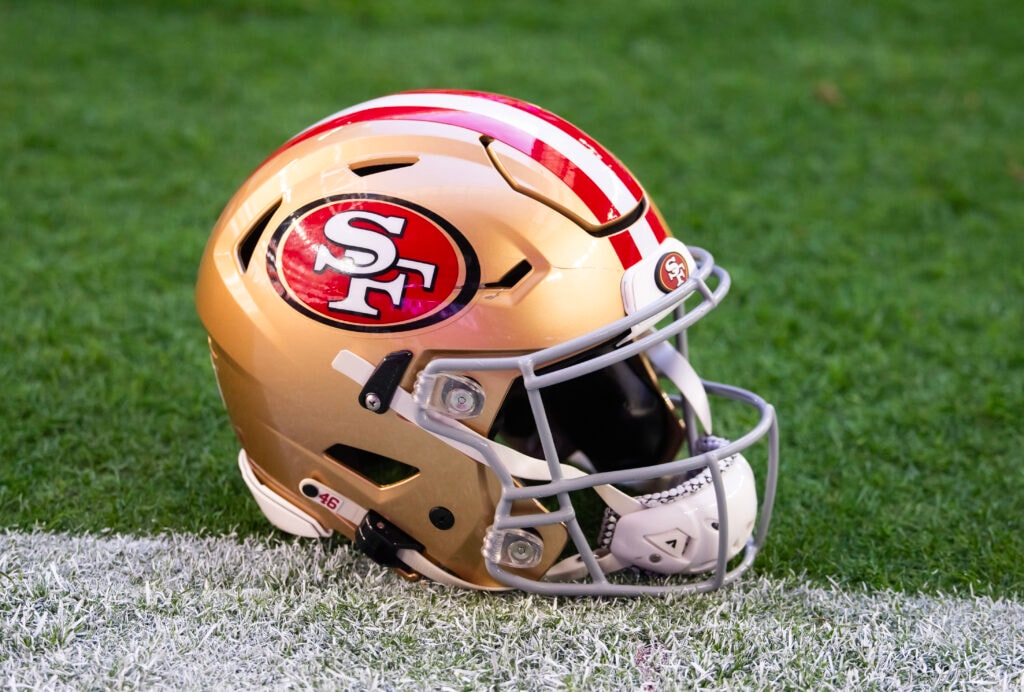
According to the Monday transaction review, the 49ers and Cardinals, along with the Rams and Seahawks, each recorded roster activity in the hours after cutdowns. The roundup frames these actions as the routine work of transitioning from the initial roster to the practice-squad phase, rather than a major “win the week” moment. In most cases, the clubs are balancing several priorities at the same time: protecting potential depth, identifying players with specific role fit, and clearing space for follow-on moves that may come through waivers or later contract and roster adjustments.
The procedural context matters. Once the leaguewide cutdown is complete, teams can begin constructing their practice squads immediately, while waiver claims and other roster mechanics can continue to influence who ends up available. That means Monday’s flurry is often the first clear snapshot of how each coaching staff is thinking about near-term developmental needs, positional depth, and practice-week matchups. For the 49ers and Cardinals, the early practice-squad and roster tweaks should be read as a continuation of what already started in the preseason. Teams typically use training-camp evaluations to sort players into categories: immediate developmental candidates, special-teams and rotational projects, and longer-term projects. Practice squad construction then formalizes that sorting, giving each category protected reps under the team’s system.
In the Rams and Seahawks’ case, the same division-wide logic applies, but the tactical emphasis can differ based on each club’s style and how it structures its roster week to week. NFC West teams all share the same offseason deadline calendar, yet they can still diverge in how they value certain skill sets on the practice field. Monday’s transactions, as reported in the Pro Football Rumors roundup, reflect those different internal evaluations being translated into available roster spots. It also means Monday’s activity is not necessarily the final roster picture. Early practice-squad construction can be followed by additional changes once teams see how veterans handle the first regular-season days, how conditioning translates to game-plan work, and whether any waiver-listed players generate interest from other teams.
One caveat is important for readers: Pro Football Rumors’ transaction recaps are a secondary compilation. They are useful for tracking what teams did on a given date, but they are not the same as an official roster report from the league or a team’s transaction page. Because this story is built around that Monday roundup without independent official confirmation of each specific transaction detail, it is best understood as a high-level view of the day’s moves rather than a definitive accounting of every individual player change.
What to watch next is straightforward. Over the coming days, the NFL’s practice squad lists and subsequent roster transactions will show whether the early-week additions stick or if teams adjust quickly as coaches confirm positional needs. For NFC West fans, the most meaningful developments will be the positional themes: which units each staff prioritizes for practice-squad development and whether early waiver-related movement reshapes the depth pool before Week 1 preparations fully settle.
Why It Matters
- Practice squad decisions provide an early window into each club’s coaching priorities for development and role-specific depth.
- Initial practice squad construction can quickly become pivotal if injuries or matchup demands emerge during the lead-in to the regular season.
- Even when starting lineups do not change immediately, early roster tweaks affect who is available for reps, evaluation, and potential elevation.
Key Facts
- The NFL completed the 53-man roster cutdown deadline Sunday, after which teams can begin building their practice squads.
- Pro Football Rumors published a Monday transaction roundup focused on the NFC West.
- The roundup says the 49ers, Cardinals, Rams, and Seahawks made roster adjustments in the period following cutdowns.
- The transactions described are framed as early roster management, commonly including waiver-related activity and practice squad construction.
- Practice squads can be up to 16 players, and teams often use them to protect depth and development while remaining flexible for later changes.