
THE APEX TIMES
Nick Saban once called College GameDay’s picks “rat poison,” saying he “used to hate it”
In a reflection on the culture around marquee Saturday broadcasts, Nick Saban pointed to the College GameDay picks segment as something he disliked from the coach’s side of the rivalry spotlight.
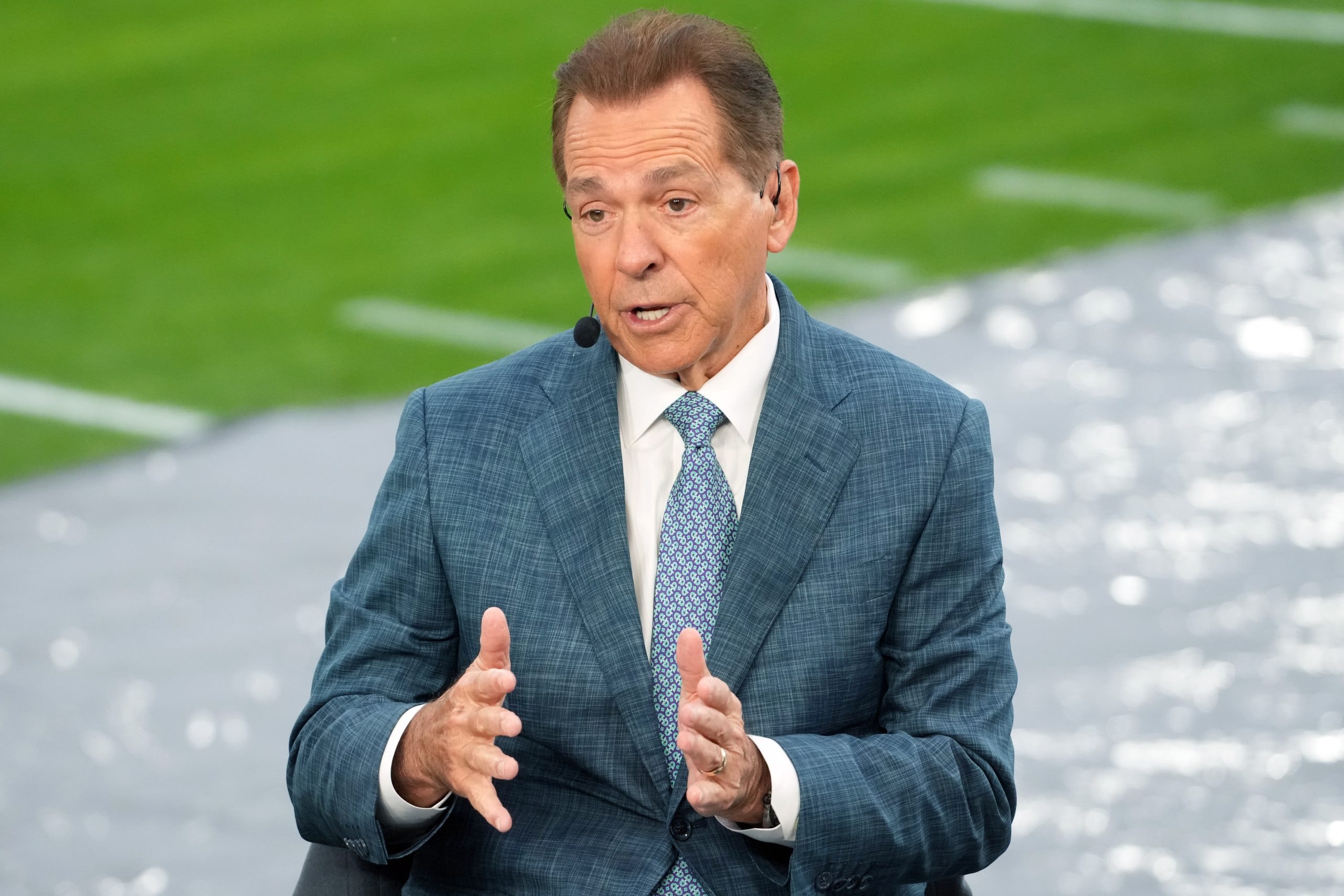
Nick Saban’s take on College GameDay’s on-air picks landed with the blunt clarity that has long defined his reputation. In comments highlighted by Saturday Down South, Saban said he was not a fan of the segment and described it as “rat poison,” adding that he “used to hate it” during his coaching days.
The College GameDay program, a staple of the college football Saturday routine, is built around more than analysis. The broadcast’s picks segment turns weekly attention into a kind of interactive scoreboard, with hosts and panelists making confident selections that fans track along with the games themselves. For coaches, that public certainty can create noise that competes with preparation.
Saban’s reaction speaks to a long-standing tension in college football coverage: the sport is built on performance on the field, yet the media ecosystem amplifies narratives before kickoff. Even when analysts are well-intentioned, a “picks” segment inevitably draws attention toward outcomes that teams might want to keep within their own control.
There is also an old-coach logic behind what Saban appears to be rejecting. A weekly pick, especially in an environment as scrutinized as a GameDay audience, can become an external bookmark that frames how a team is supposed to win, how close a matchup “should” be, or how quickly a game can be dismissed. For a staff that designs practice plans and in-game adjustments around uncertainty, that kind of public framing can feel corrosive.
Saban’s quote, as reported, is not a new procedural argument about broadcasting formats, but a window into how he viewed the incentives of national attention during the season. It is the kind of perspective that can help explain why elite programs often prefer tight internal messaging while treating outside commentary as background, not fuel.
What to watch next is less about any single pick and more about how coaches, former and current, talk about the broader GameDay package. When high-profile figures react to segments like this, it reinforces how college football’s biggest broadcast is both a celebration of the sport and a test of how teams handle the volume that comes with being at the center of it.
Why It Matters
- Saban’s comments underscore how even well-known media formats can be perceived as distractions by coaches.
- The quote highlights the challenge of preparing for games in a week-long environment of public predictions.
- It illustrates a recurring theme in college football: the tension between performance-focused preparation and narrative-driven coverage.
- High-profile reactions can influence how fans interpret the picks segment, not as certainty, but as entertainment alongside real preparation.
Sources
Key Facts
- Nick Saban expressed dislike for the College GameDay picks segment.
- Saban reportedly described the segment as “rat poison.”
- Saban added that he “used to hate it” during his coaching days, according to Saturday Down South.
- The comments were presented in a Saturday Down South piece published Oct. 10, 2026.
- The story centers on how the picks segment fits into the broader college football media environment.