
THE APEX TIMES
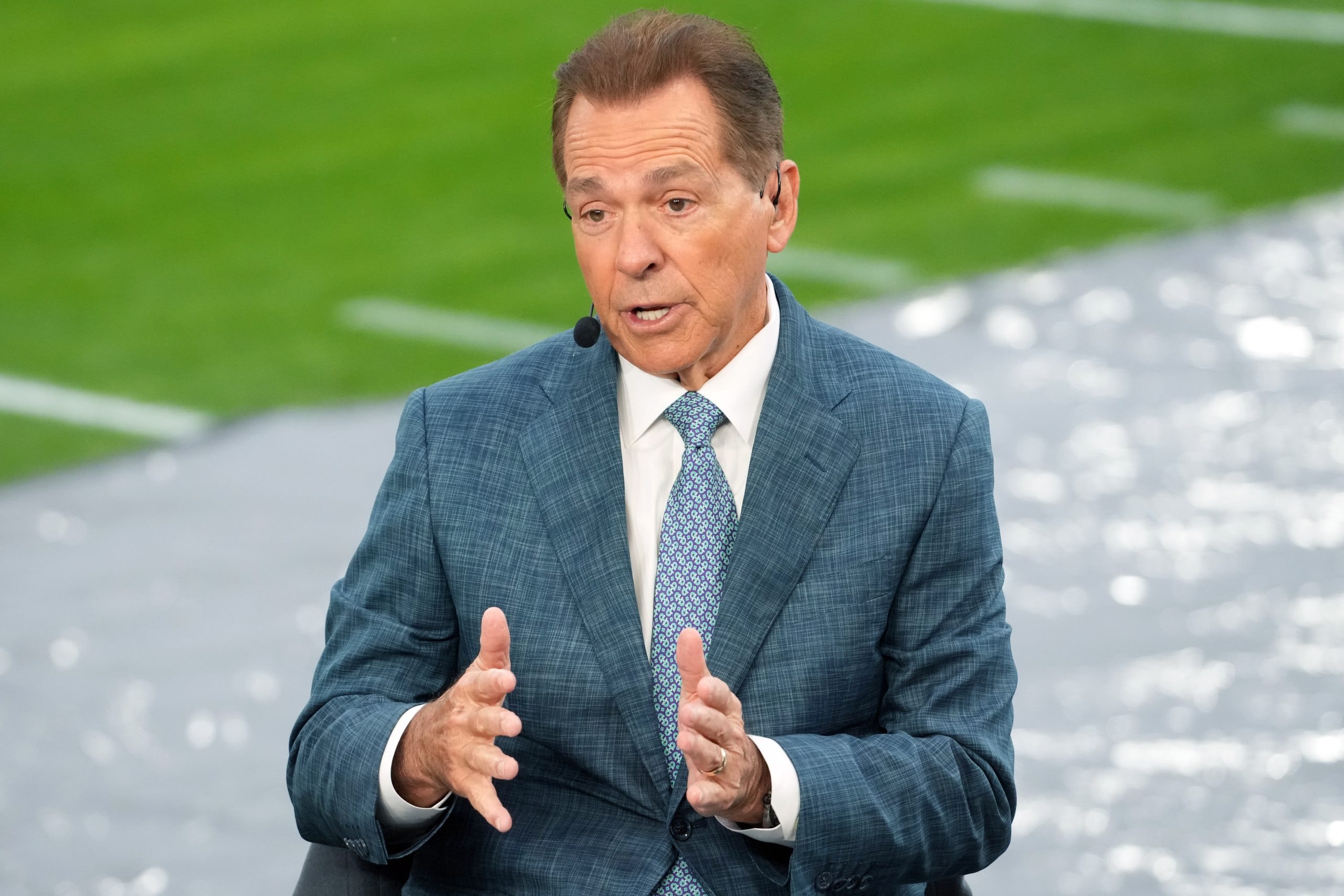
Nick Saban says Oklahoma is “not as bad as people think” as he breaks down the Red River Rivalry
The Alabama coach, looking ahead to one of college football’s defining matchups, pushed back on the current public narrative around Oklahoma’s form and style of play.
Nick Saban’s view of the Red River Rivalry starts with a simple pushback. In comments reported by Saturday Down South, the Alabama coach said Oklahoma “isn’t as bad as people think,” even while acknowledging the Sooners are not playing their best football right now. The point, as framed in the report, was less about denying what has gone wrong and more about emphasizing that Oklahoma’s ceiling and execution level may be higher than outsiders assume.
What makes Saban’s perspective notable is that it comes from a coach known for detailed game planning and schematic accountability. In this case, his argument is essentially interpretive: reputations can harden faster than teams can adjust, and a snapshot of recent results does not always capture the quality of the opponent a program will bring to a high-leverage rivalry game. By stressing Oklahoma’s underlying potential, Saban is indicating that Alabama would not treat the Sooners’ current struggles as a permanent indicator of what they will look like on game day.
The rivalry context matters here. The Red River Rivalry is built on contrast and identity, with Oklahoma traditionally emphasizing pace, quarterback-driven decision-making, and an offense designed to create stress across the defense. When a program appears to be missing key pieces of execution, the easiest takeaway for fans is that the team itself has declined across the board. Saban’s comments suggest a different reading: that the gap between perception and performance can be large, especially when schematics, game planning, and matchup advantages are in play.
Saban’s framing also reflects how top programs evaluate risk. In rivalry games, coaches pay attention to what they call “clean reads” and dependable concepts, meaning the plays a team can run consistently even when overall rhythm is uneven. According to the Saturday Down South report, Saban’s belief in Oklahoma being better than people think is rooted in an expectation that the Sooners’ baseline skill set and readiness can reassert itself, even if the results to date have not matched those expectations.
Still, the report does not provide specific evidence like statistical comparisons, personnel details, or quoted play-by-play examples. That limits how far the storyline can be taken. It is best understood as a coach-to-coach assessment of team quality and a warning against drawing firm conclusions from a recent sample size, not as a prediction backed by enumerated performance metrics.
For Alabama, the practical takeaway is that preparation has to account for the possibility of an Oklahoma bounce-back. For Oklahoma, it is an opportunity, at least in the public narrative, to be evaluated on more than just what has already happened this season. The matchup picture that follows will determine whether Saban’s confidence is supported by execution on the field, or whether Oklahoma’s issues are deeper and more persistent than even an experienced opponent believes.
As the rivalry approaches, the most meaningful things to watch are not just whether Oklahoma can win, but whether it can sustain the fundamentals that make its offense and overall rhythm recognizable. If the Sooners correct the issues that have fed the negative narrative, Saban’s comment will read as prescient. If they do not, it will show how quickly a public perception can become reality in a game where adjustments are limited and the margin is tight.
Why It Matters
- Public narratives often exaggerate short-term struggles, and Saban’s comments underline how experienced programs still expect a strong opponent in a rivalry setting.
- A “better than people think” framing can influence how opponents prepare, especially around game planning for offense and matchup confidence.
- For Oklahoma, the comment adds pressure to translate potential into consistent execution, not just flashes of quality.
- Rivalry games compress time for adjustments, making preseason-style assessments less reliable and execution more decisive.
Sources
Key Facts
- Nick Saban commented that Oklahoma is “not as bad as people think,” despite acknowledging the Sooners are not currently playing great football.
- The remarks were reported by Saturday Down South in connection with the Red River Rivalry.
- The article frames the statement as a belief in Oklahoma’s underlying quality rather than a denial that the team is struggling.
- The report does not include detailed supporting statistics, personnel changes, or additional quoted game-plan specifics.