
THE APEX TIMES
Nolan Arenado reflects on how much longer he wants to play, returning to Coors Field
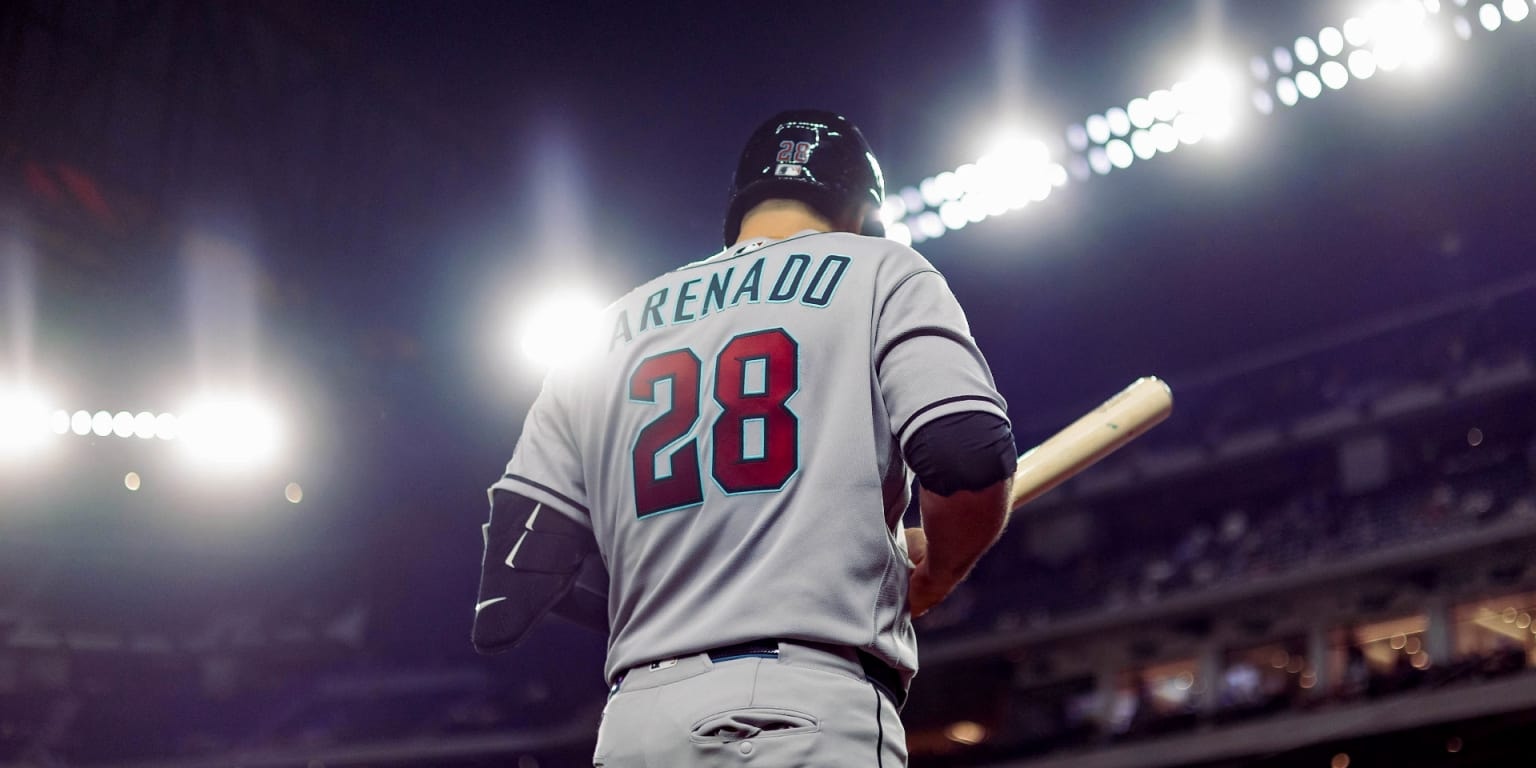
Back in the visiting clubhouse at Coors Field for a D-backs series in Denver, Nolan Arenado addressed the question that follows elite third basemen into their later years, how long the body and the grind can keep paying off.
Nolan Arenado was back where his career’s modern era took root. During a D-backs series in Denver last month, the veteran third baseman returned to the visiting clubhouse at Coors Field, a familiar routine for a player who once defined the position in a purple-and-black uniform. Reporters caught up with him as he headed toward his locker, and the conversation quickly turned to the one topic that repeatedly shadows late-career stars: how much longer he expects to keep playing.
This time, Arenado’s answer was framed not as a news cycle, but as a personal checkpoint. In an conversation, Arenado discussed how he is thinking about the remaining runway and what it would take to justify continuing, emphasizing the ongoing balance between preparation, performance, and the mental desire to compete every day. The context matters because Arenado’s career has been built on standards, the kind that do not disappear with age as easily as raw talent can.
Arenado’s presence in Denver also highlights a unique emotional matchup. Rockies fans watched him at the center of an identity for years, and the ballpark itself carries weight because of how long he spent there, including the routine of elite defense and the visibility that comes with being a franchise figure. Now, with the D-backs, the same field and the same dimensions feel different in the framework of an opposing team, but the questions remain familiar, especially for a player whose reputation was built on both endurance and intensity.
The broader MLB backdrop gives that personal discussion extra relevance. When a player like Arenado still draws attention, it is not only because he is a high-profile name. It is because third base is a premium position, one that rewards footwork, reads, arm strength, and the ability to stay sharp over an 162-game calendar. When those elements are consistently present, a team is not just getting a hitter in the lineup, it is getting a defensive anchor and a leader in preparation. That is why, as players move deeper into their careers, teams and fans often treat the “how long” question as an on-field factor, not a sentimental one.
For Arizona, Arenado’s continued involvement carries practical stakes. Even without getting into detailed transaction talk, the presence of a veteran who has seen all types of pitching environments changes how an infield group organizes itself, particularly when preparing for the defensive demands of a long season and the pressure of late-inning situations. The D-backs can structure roles and game plans knowing they have a player who understands the rhythm of big-league at-bats, the timing of competitive intensity, and the value of routine. In that sense, Arenado’s own contemplation about his future speaks to the day-to-day reality of a contending lineup.
What to watch next is less about predicting a deadline and more about how the decision process shows up on the field. ’s focus was Arenado’s perspective on continuing, which suggests a player managing expectations both internally and externally. If he remains committed, Arizona’s infield stability and veteran leadership are likely to stay part of the team’s identity. If his answer shifts toward limitations, the question will quickly broaden to how the D-backs plan for innings, defensive depth, and the transition from a longtime standard-setter to the next everyday option at third base.
Why It Matters
- Arenado’s timeline is a storyline because third base is a demanding spot where experience and movement skills both matter.
- His continued presence affects how Arizona structures infield leadership and defensive reliability over the long season.
- Returning to Coors Field underscores the emotional and competitive weight of the “how long” question for a franchise-defining talent.
Key Facts
- Nolan Arenado returned to Coors Field in Denver for a D-backs series and was in the visiting clubhouse when reporters approached him.
- Arenado discussed how he is thinking about how long he might continue playing.
- The interview context connects Arenado’s current team to his earlier career prominence with the Rockies.
- published Arenado’s remarks as part of a broader look at late-career decision-making for an elite position player.