
THE APEX TIMES
A Hall of Fame fastball icon entered a lively debate after the Brewers’ Jacob Misiorowski drew attention for the kind of velocity and intent Ryan made famous.
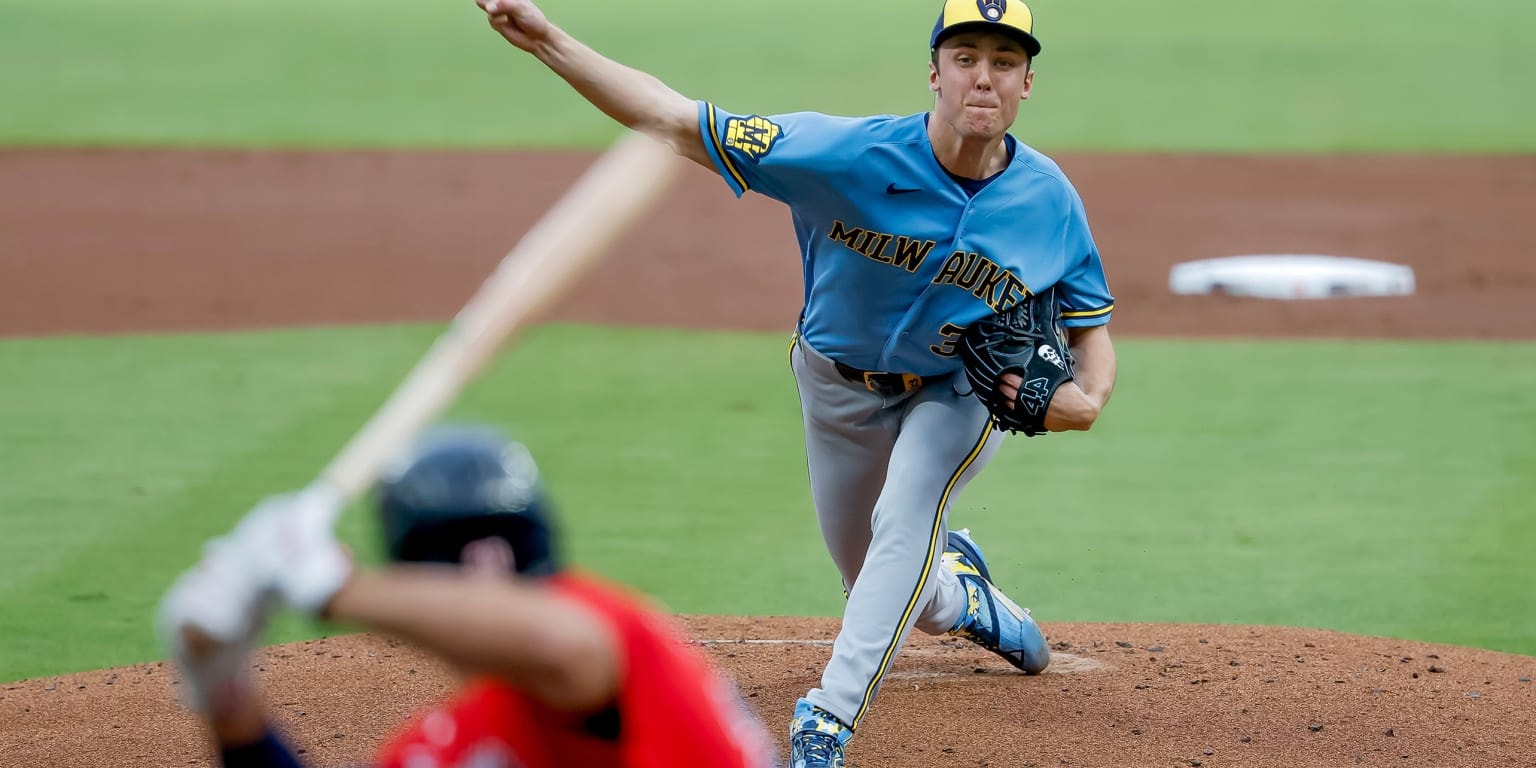
The Ryan Express has turned back up in the conversation, and this time it is attached to Milwaukee’s next wave of pitching. On June 20, MLB posted a feature tying Brewers’ rising right-hander Jacob Misiorowski to a discussion about where he ranks among the game’s greatest flame-throwing starting pitchers, with Nolan Ryan himself stepping into the debate.
Ryan, the Hall of Fame bulldog who built his career around overpowering velocity and the fastball identity he branded as the “Ryan Express,” did not leave the topic purely to analysts or fans. In the MLB report, Ryan is presented as directly engaging the question after catching Misiorowski’s attention for his ability to feature heavy, high-heat pitching typical of the hardest-throwing tradition Ryan helped define.
Misiorowski, characterized in the piece as a “Brewers phenom,” is being evaluated through that historical lens. That framing matters in baseball because great heat can look similar on a radar gun, but it becomes memorable when it is paired with pitch sequencing, command, and the ability to keep hitters off balance through multiple at-bats. Ryan’s relevance to the comparison is not just his fame, it is his perspective as a pitcher whose velocity became a complete weapon.
The debate itself is the point of the story: where does Misiorowski belong when the sport compares the pure velocity starters of different eras? Ryan’s involvement elevates the question because he is not merely a former teammate of a bygone style. He is one of the clearest reference points in modern baseball’s shorthand for fastball dominance, the kind of identity that can shape how a team develops, deploys, and protects a young starter.
Still, it is important to separate the conversation from a final verdict. A ranking of “all-time” pitchers is inherently subjective, especially across eras with different training cycles, ball changes, and usage patterns. Even when a legend weighs in, the most meaningful takeaway is what the comparison indicates about expectations for Misiorowski’s ceiling and the traits Milwaukee is counting on as he continues to establish himself as a starter.
For the Brewers, the larger impact is practical. When a young starter is mentioned alongside velocity icons, it tends to strengthen a team’s internal emphasis on building the pitch mix around what the pitcher does best, while also demanding consistency at the margins. That includes how hitters respond the second and third time through a lineup and whether the “gas” that draws attention can be translated into repeatable outcomes across outings.
What to watch next is how the Brewers’ rotation role settles around Misiorowski’s strengths and whether Milwaukee leans even harder into the kind of fastball-first strategy that makes these debates possible. The Ryan connection is a storyline, but the baseball test remains straightforward: can the heat become a full-starting-pitching advantage, not just a highlight?