
THE APEX TIMES
Northwestern’s Ryan Field overhaul arrives with a “premium experience” message, but fans ask what they are giving up
As renderings for a transformed Ryan Field circulate and the project’s footprint expands, supporters and critics are arguing over atmosphere, access, and whether the biggest changes are being sold to the right people.
Northwestern has been preparing fans for a redesigned Ryan Field, and the pitch has arrived loud and early. In recent reporting, the Big Ten program unveiled renderings that frame the next version of the stadium as a “premium experience” for every fan. The timing has contributed to a different story than the one schools usually tell around stadium work, because undergraduates and season-ticket holders have already been living with the impact of construction for months.
Criticism around the project is now centered on a tension that stadium planners often face: how to modernize facilities without draining the identity that makes a home venue feel distinctive. The renovation being discussed, often described in broad terms as a once-in-a-generation college stadium project, has reached fans through images and marketing language even before the full transformation is visible on game days. For many supporters, that disconnect has turned the rollout into something closer to a debate about experience than a celebration of progress.
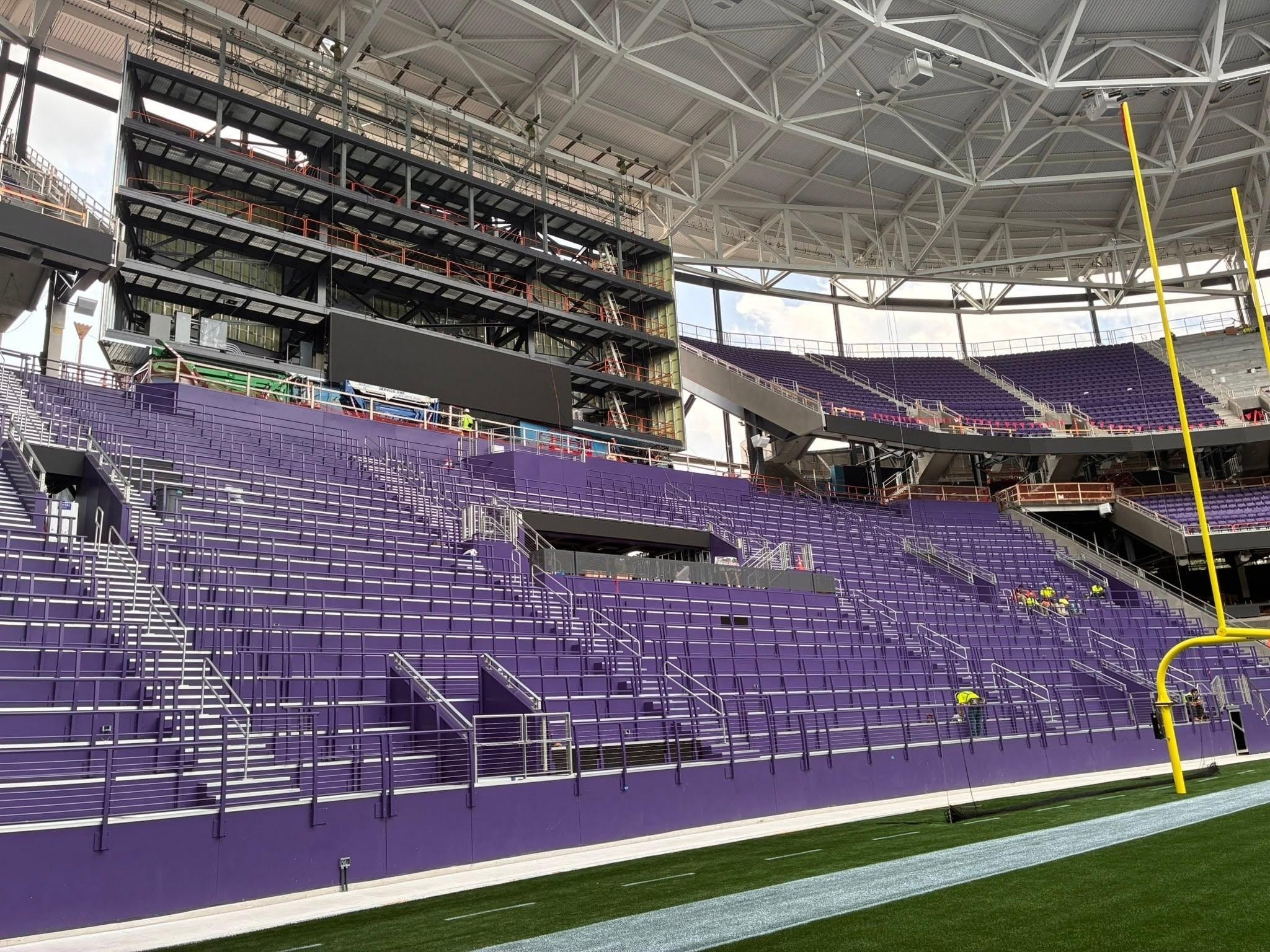
The “walled-up dream” framing, as it has circulated, highlights a common early-stage frustration. When stadium sections are inaccessible and sightlines are partially obscured, fans can feel like they are being asked to pay emotionally for a future payoff they cannot yet see. That resentment is amplified by the way premium features are described, because “premium” implies tiers and, in some cases, physical separation. Even if the school intends a universal upgrade, the language itself can sound exclusionary when the current venue feels compromised.
Northwestern’s athletics brand sits in the Big Ten, where fan expectations are shaped not only by team performance but by the day-to-day feel of Saturdays. Renovations are meant to keep universities competitive in recruiting and operations, while also meeting modern expectations for seating, hospitality areas, and amenities. But stadium projects also become public works projects in the eyes of local communities, and the longer construction lasts, the more likely the conversation will shift from what the stadium will become to what it costs to endure in the meantime.
This debate matters in college football for reasons beyond aesthetics. A stadium’s atmosphere influences recruiting narratives and the way programs market the game-day experience to prospective student-athletes, transfers, and even non-athlete audiences. At the same time, construction timelines can affect attendance patterns, visitor experience, and how quickly revenue streams can shift to new premium areas. If the “premium experience” message is not matched by visible improvements on the field, the messaging can land as tone-deaf rather than reassuring.
What to watch next is how Northwestern communicates the scope and pacing of the project from renderings to reality. Fans will likely want clearer expectations about when key sections reopen, how sightlines will be managed during the buildout, and what amenities are actually being added at each stage. As the next season approaches, the project will be judged less by marketing copy and more by whether the finished Ryan Field restores the kind of compact, distinctive atmosphere Northwestern supporters associate with their home games.
Because the current reporting is focused on the rollout and the reactions around it rather than a fully detailed scope document, some of the most important questions remain unanswered in the public conversation. Northwestern’s next steps should clarify what “premium experience” will mean in practice, and critics will be watching to see whether the renovations improve the experience broadly or only for a subset of ticket holders.
Why It Matters
- A stadium’s atmosphere is part of a program’s identity in the Big Ten, and prolonged construction can shape fan sentiment even before upgrades are complete.
- Messaging about premium amenities can influence public perception, especially if fans feel the changes are being sold before the improvements are tangible.
- Renovation pacing affects game-day operations, attendance comfort, and how quickly any new hospitality or seating value can be delivered.
- Recruiting narratives in college football often lean on the “home field” experience, so fan acceptance can matter for long-term brand building.
Key Facts
- Reporting on Northwestern’s Ryan Field project describes the stadium overhaul as arriving with renderings and a “premium experience” framing.
- The discussion has been active among fans since the project’s impacts were already noticeable in and around Northwestern sporting events in 2024.
- The stadium debate has centered on what construction and the new messaging mean for the in-stadium fan experience.
- The story positions the conflict as more than design preferences, tying it to how modern amenities and stadium identity can coexist in college football.