
THE APEX TIMES
Offseason In Review: Denver Broncos weigh the aftermath of Bo Nix’s broken ankle and hunt a new passing edge
With Sean Payton in charge and a quarterback recovery timeline shaping the offseason priorities, Denver’s plans center on offensive continuity while adding another downfield weapon and reshaping the play-calling room.
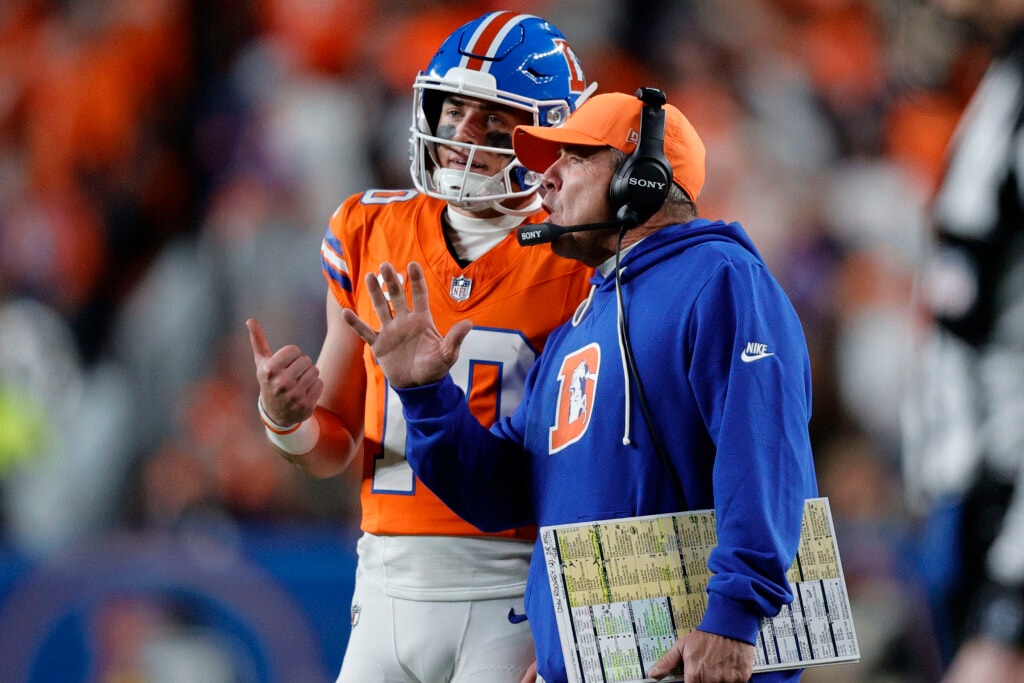
Denver’s offseason narrative has one dominant theme: the Broncos are trying to build forward after an injury that, even in an era of careful injury management, can change an entire season’s rhythm. Pro Football Rumors’ offseason review points to Bo Nix suffering a broken ankle in overtime, a development that carries consequences well beyond the immediate game because quarterback timing, footwork and decision speed are all tied to health and mobility.
Sean Payton’s tenure as head coach has already been defined by postseason moments that felt unforgiving. The offseason review frames Payton’s historical experience as a kind of résumé lesson in managing high-leverage exits, referencing prior seasons and the emotional weight of late-game outcomes. Against that backdrop, the broken ankle becomes less of a standalone storyline and more of a leadership test, because the Broncos’ ability to absorb the loss of a key quarterback skill set will determine how much optimism can be turned into consistent October production.
The same review indicates Denver “largely retained” its 2025 roster, which matters because it suggests the organization is not attempting a full reset. Instead, the Broncos appear to be making targeted adjustments around the existing core. That approach often indicates an expectation that the majority of the lineup remains functional together, with the biggest gaps addressed through a specific talent infusion and a strategic coaching tweak rather than by reinventing team identity from scratch.
According to the offseason review, Denver is counting on a new wide receiver weapon to help move the needle in the passing game. In practical terms, adding a playmaking target changes more than box-score production. It affects what defenses must respect in the vertical passing lanes, how route combinations can be designed, and how much pressure can be redirected away from the quarterback’s read progression when safeties and corners are forced to honor a credible threat.
The review also points to “new play-caller” changes, pairing roster continuity with an offensive decision-making reset. For a team coming off a quarterback injury, that combination is significant. A different play-calling voice can bring new structure, simplified concepts, or a different balance of run-pass sequencing, all of which can be particularly important when a quarterback’s recovery dictates how much scramble improvisation is available and how confidently he can plant and drive off his lower body.
Still, the Broncos’ real uncertainty is not in theory. It is in the practical details of whether Nix can return to a full range of movement and whether the offense can replicate the same timing and footwork that made progress possible when he was healthy. With the offseason review describing the ankle injury as broken and tied to overtime, the recovery itself becomes the crucial variable. Without official team updates on medical status, the organization’s public messaging and the early preseason workload will be what separates hopeful planning from a realistic timeline.
What to watch next is straightforward for Denver. First is how the play-calling direction is introduced and whether the scheme emphasizes quick decision passes that reduce stress on a potentially healing ankle. Second is how the new wide receiver fits into the route tree, particularly on intermediate and red-zone concepts. Third is how the Broncos protect the quarterback’s mobility needs in practice, since even small changes to protection rules and design runs can influence whether a returning starter looks fully comfortable or still operates under constraints. The answers will shape how much the offseason changes can offset the disruption created by that overtime injury.
Why It Matters
- Quarterback ankle injuries can alter timing, planting, and mobility-based reads, which impacts both the passing game and play design.
- Keeping most of the roster intact suggests Denver’s path is about refining what already exists rather than rebuilding from the ground up.
- A new wide receiver addition can change coverage rules and reduce stress on quarterback decision-making.
- A new play-calling approach can be especially influential when the offense must account for a quarterback’s recovery realities.
Key Facts
- A Denver offseason review from Pro Football Rumors cites Bo Nix sustaining a broken ankle in overtime.
- The review characterizes Sean Payton as having endured consequential postseason exits in his head-coaching career.
- Denver is described as largely retaining its 2025 roster.
- The Broncos are described as planning to add a new wide receiver to improve the passing attack.
- The review also notes a new play-caller as part of the offensive adjustment.