
THE APEX TIMES
Ohio State expands the backstory of Brandon Inniss and the “Legacy of the Block O” tradition
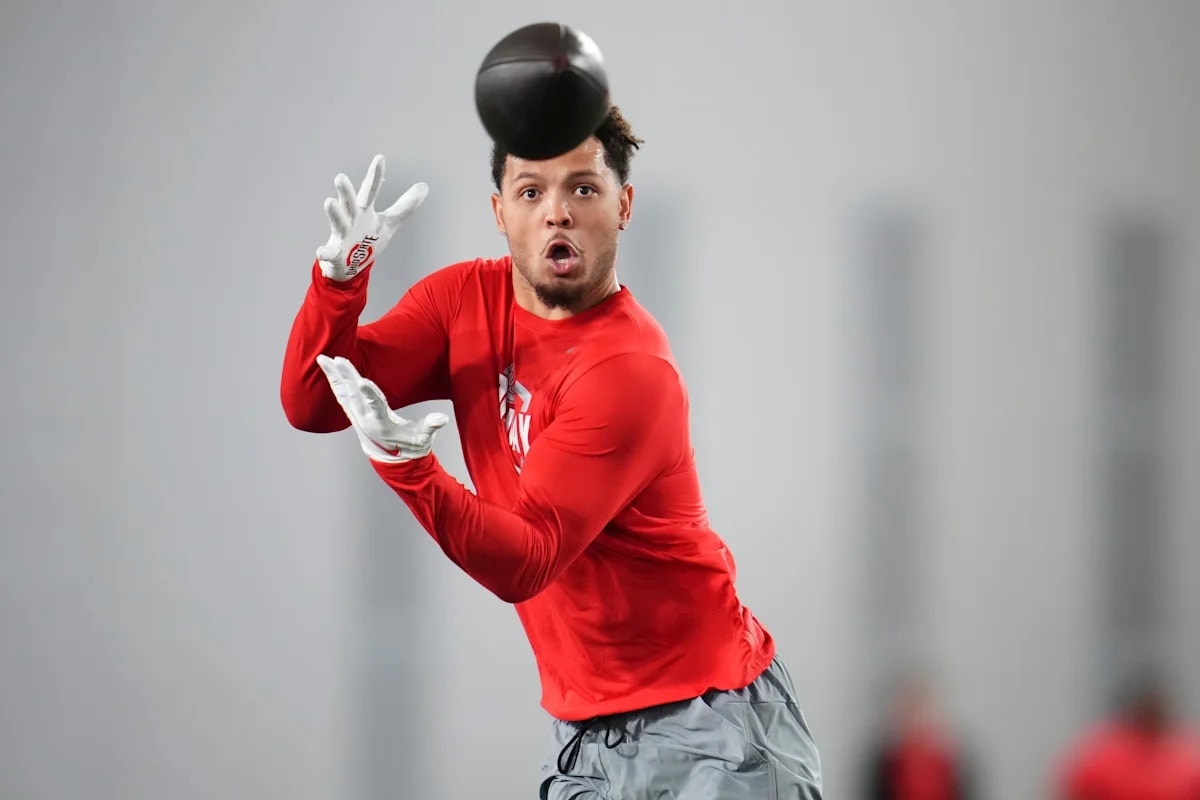
The Buckeyes’ creative team highlighted how wide receiver Brandon Inniss fits into Ohio State’s “Block O” and No. 0 jersey history, a practice that began after the NCAA allowed players to wear the number in 2020.
Ohio State used a new creative release on Sunday to connect current Buckeyes wide receiver Brandon Inniss to a tradition that has grown into a staple of game-week culture: the “Block O” and the No. 0 jersey. The piece, shared by Ohio State’s creative team, focuses on Inniss’ role in the program’s ongoing “Legacy of the Block O” storyline and what that symbolism is meant to represent within the program.
The “Block O” tradition centers on a jersey number that Ohio State players can wear because of NCAA policy changes. The Yahoo Sports report notes that the practice began in 2020, when the NCAA permitted college football players to wear the No. 0. Since then, Ohio State has used that number as a visual tie to program history and identity, creating a modern tradition that fans can recognize even in new uniform eras.
At the heart of the symbolism is Bill Willis, a former Ohio State defensive end and a Columbus native. The story’s framing emphasizes Willis’ legacy beyond the Buckeyes, highlighting that he broke the color barrier in the NFL as the first person of color to start in the league with the Cleveland Browns. By linking Inniss’ “Block O” journey to Willis, Ohio State reinforces that the tradition is not just about an alternate uniform moment, but about carrying forward historical meaning.
In the account described by Yahoo Sports, Inniss is positioned as the latest Buckeye connected to the “Block O” narrative, receiving a deeper background explanation of how the “journey” works within the program’s culture. The emphasis is on continuity, taking a player on the current roster and placing him inside a larger timeline, from Willis’ professional breakthrough to the program’s adoption of the No. 0 as part of its modern identity.
For Ohio State, a tradition like this functions on multiple levels. It is a recruiting and branding feature, but it also serves as internal reinforcement for what the program wants to be known for: history, meaning, and an expectation that players will represent more than just themselves on the field. By spotlighting Inniss specifically, the release suggests the Buckeyes intend to keep the “Legacy of the Block O” message tied to current personnel, rather than leaving it as a static piece of past pageantry.
It is also a reminder that Ohio State’s identity is often communicated through carefully timed media and creative storytelling, not only through traditional game-day rituals. The report points to Ohio State’s creative team as the source of the deeper background, indicating the program is continuing to invest in how it narrates tradition to a wide audience.
What to watch next is whether the “Legacy of the Block O” message is carried forward during the season in related media or game-week activations, and how Inniss’ “Block O” connection is reflected in Ohio State’s larger cultural programming. If the Buckeyes continue to build the tradition around current players, it could become a recurring storyline that fans track from one roster to the next, linking each era to the same central historical theme.
Why It Matters
- It reinforces how Ohio State uses modern uniform policy changes to create long-running cultural traditions.
- By spotlighting a current player, the program keeps historical themes visible and relevant rather than treating them as static history.
- The “Legacy of the Block O” framing connects football fandom to broader civil-rights and integration history associated with Bill Willis.
Key Facts
- Ohio State released a creative background story connecting wide receiver Brandon Inniss to its “Legacy of the Block O” tradition.
- The No. 0 jersey tradition began in 2020 after the NCAA permitted college football players to wear the number.
- The “Block O” symbolism is tied to former Ohio State defensive end Bill Willis, a Columbus native.
- The report highlights Willis’s significance in the NFL as the first person of color to start in the league with the Cleveland Browns.