
THE APEX TIMES
Oklahoma’s defense pushing QB John Mateer to think faster in practice
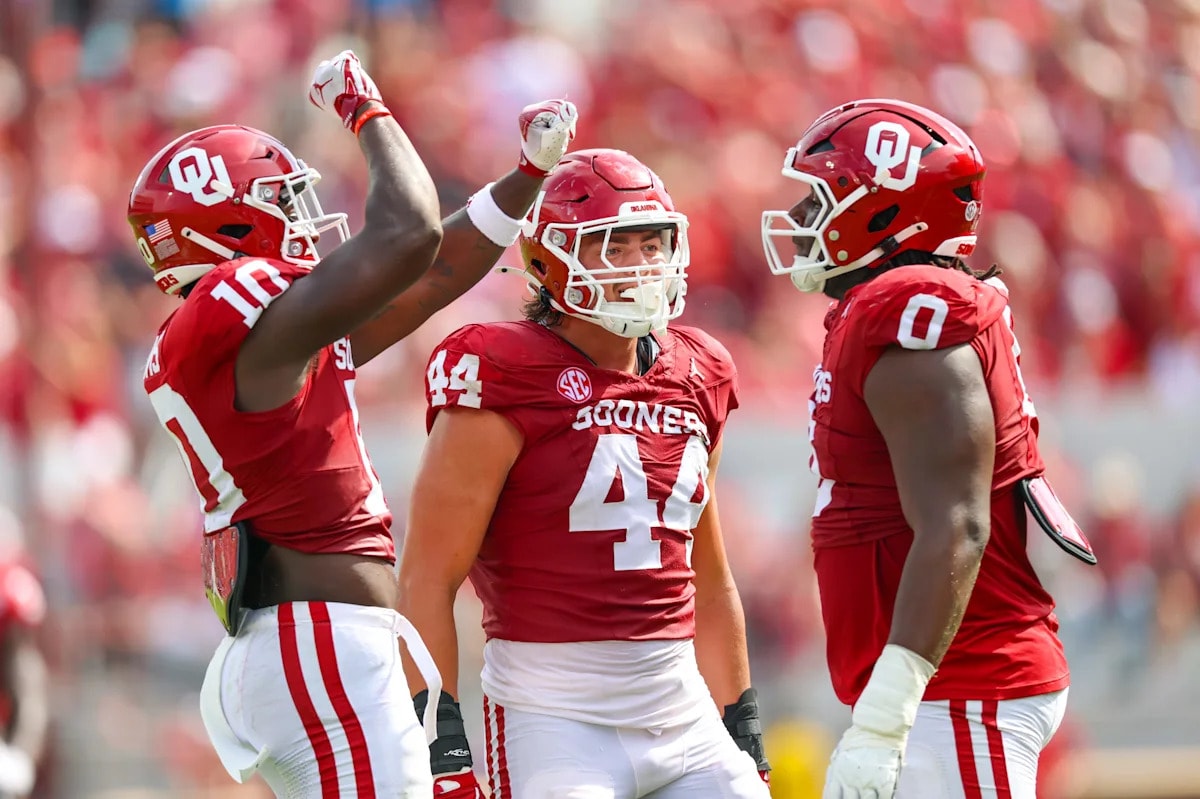
In camp work, the Sooners’ defense is aiming to force quarterback John Mateer to process quickly and prepare for multiple looks, a theme that reflects how Oklahoma tries to build competition through pressure and repetition.
Oklahoma is using its defense as a live training partner for quarterback John Mateer, emphasizing speed of processing and readiness for whatever the defense presents next. The message, as described in a recent report from Yahoo Sports, is that the Sooners want Mateer to make quicker decisions, handle shifting looks, and prepare for every situation rather than rely on what he expects to see.
The dynamic is rooted in a well-worn sports concept. The report frames the work in terms of “iron sharpens iron,” arguing that disciplined, high-tempo defensive pressure can help sharpen an offensive player’s instincts. In practice, that typically means the quarterback has to handle more than one coverage variation, manage different blitz timings, and keep his decision-making synchronized with what the front and secondary are actually doing.
Mateer’s development focus also fits how college programs often try to evaluate quarterbacks before they ever face a real game. Even when a starter’s mechanics are largely in place, coaches still look for how quickly he can diagnose the defense, how well he can adjust protections and route concepts to match coverage, and whether he stays calm when the first read does not open. The report’s emphasis on “process the game faster” points to those exact evaluative areas.
From Oklahoma’s standpoint, the defense’s role is not just about stopping plays. It is also about teaching. A quarterback who repeats the same answer to the same problem does not grow as fast as one who is challenged to recognize multiple pathways. When a defense brings stress early and often, it can create the sort of real-time problem-solving that coaches prefer during spring and fall camp.
The report also suggests a broader philosophy for the Sooners’ daily work: preparation is not optional and “every situation” matters. That can include common late-down moments, red-zone decision-making, and the kinds of coverage rotations that can change at the snap. For a quarterback, the ability to anticipate and then verify, quickly, is often the difference between a play that looks good in structure and one that works under motion and disguised pressure.
Because the details here come from a single news account rather than an official Oklahoma release, it is important to keep expectations modest. The report describes the approach and the theme of the work, but it does not provide a full statistical readout, depth-chart implications, or any specific play-by-play examples from a scrimmage.
What to watch next is how that emphasis shows up when the Sooners start moving from individual and team periods into more game-like looks. If Mateer’s decision-making visibly accelerates, and if the offense sustains productive drives against live defensive pressure, it would indicate that the intended feedback loop is landing. If not, it will likely push the focus back toward processing speed and clean situational execution, which is where quarterback growth often happens in this phase of the calendar.
Why It Matters
- Quarterback growth in college football is often measured by how quickly a player can diagnose and react, especially under pressure.
- A defense that repeatedly forces new looks can accelerate learning and reduce “guessing” in the quarterback’s reads.
- How Mateer responds to faster processing demands can shape the offense’s overall rhythm once games begin.
- The work reflects Oklahoma’s emphasis on building preparation habits rather than relying on rehearsed outcomes.
Key Facts
- A Yahoo Sports report says Oklahoma’s defense is challenging quarterback John Mateer to process the game faster.
- The focus described is preparation for multiple looks and situations, not just a single expected defensive plan.
- The report uses the “iron sharpens iron” concept to frame how defense and offense improve each other through competition.
- The article treats the challenge as a key part of Mateer’s development in Oklahoma camp work.