
THE APEX TIMES
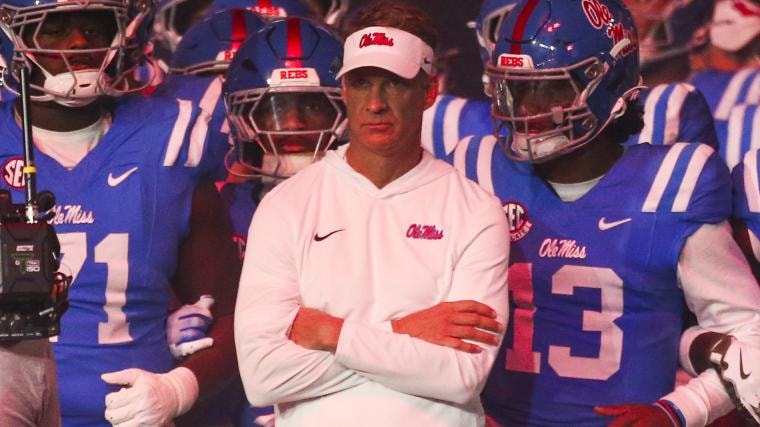
Ole Miss brought in the FBI for a recording-device sweep after Lane Kiffin’s departure, report says
A breakdown from The Sporting News, republished in a Yahoo Sports post, explains how Ole Miss reportedly involved federal investigators to check for hidden recording equipment in its football offices following Kiffin’s move to LSU.
Ole Miss reportedly brought in the FBI to conduct a sweep for recording devices in its football offices after Lane Kiffin left for LSU, according to a report highlighted by Yahoo Sports on Tuesday. The matter is part of a broader issue that has surfaced in college football before, where programs become concerned that game-planning materials, indicates, or other competitive information could be compromised through hidden technology.
In the account, the focus is less on on-field results and more on what happens inside athletic facilities when a high-profile coaching change occurs. Kiffin’s move to LSU raised sensitivity around what Ole Miss believed could be vulnerable during the transition, particularly in shared environments where staff members communicate, scout, and prepare weekly plans.
The reported FBI involvement is notable because it indicates that Ole Miss treated the concern as more than an internal technology audit. Sweeps tied to recording devices can be serious undertakings, typically requiring tools and procedures to detect microphones, cameras, transmitters, or other equipment. While details of the sweep are not provided in the Yahoo Sports preview, the underlying premise is that Ole Miss believed there was a potential security breach risk in its football operations.
The timing described in the report links the sweep to the coaching departure itself, underscoring how quickly competitive intelligence worries can follow staffing changes. In college football, head coaches and coordinators do not work in isolation, and program methods often include recurring meetings, play-calling systems, and scouting workflows. When key coaches switch programs, the stakes can rise quickly, even if the change is handled through normal employment processes.
There is also a compliance and governance backdrop. College athletics rely on institutional policies, state and federal laws, and league rules that prohibit improper acquisition of competitive information. When teams suspect recordings or other surveillance, they can respond through multiple channels, including law enforcement. This is the kind of step that, if verified with official documentation, can shape how other programs think about information security during high-profile transitions.
What to watch next is whether Ole Miss, LSU, or the NCAA offer any additional public details that either confirm the FBI involvement more concretely or clarify the scope of the investigation. Until more primary documentation is available, the reporting should be treated as an account of what Ole Miss reportedly did, rather than a fully substantiated explanation of what was found or whether any recording devices were ever located.
Why It Matters
- It highlights how coaching departures can trigger security reviews, not just staffing and scheme adjustments.
- If confirmed, it underscores that some teams are willing to involve federal law enforcement when they suspect surveillance or competitive intelligence theft.
- The episode adds to the ongoing college football conversation about protecting scouting, communication, and indicates from unauthorized access.
- Future high-profile transitions could lead more programs to treat information-security checks as standard operating procedure.
Sources
Key Facts
- Ole Miss reportedly brought in the FBI to conduct a sweep for recording devices in its football offices.
- The reported sweep was linked to the period after Lane Kiffin left Ole Miss for LSU.
- The explanation was highlighted by Yahoo Sports from a breakdown originally published by The Sporting News.
- The reported concern centered on protecting football offices from hidden recording technology.