
THE APEX TIMES
Ole Miss reportedly sought FBI help on counterespionage after Lane Kiffin’s move to LSU
A report says the Rebels treated operational security as a priority in the wake of Kiffin’s departure to their SEC rival, with the program’s NIL leadership describing extensive steps to protect sensitive information.
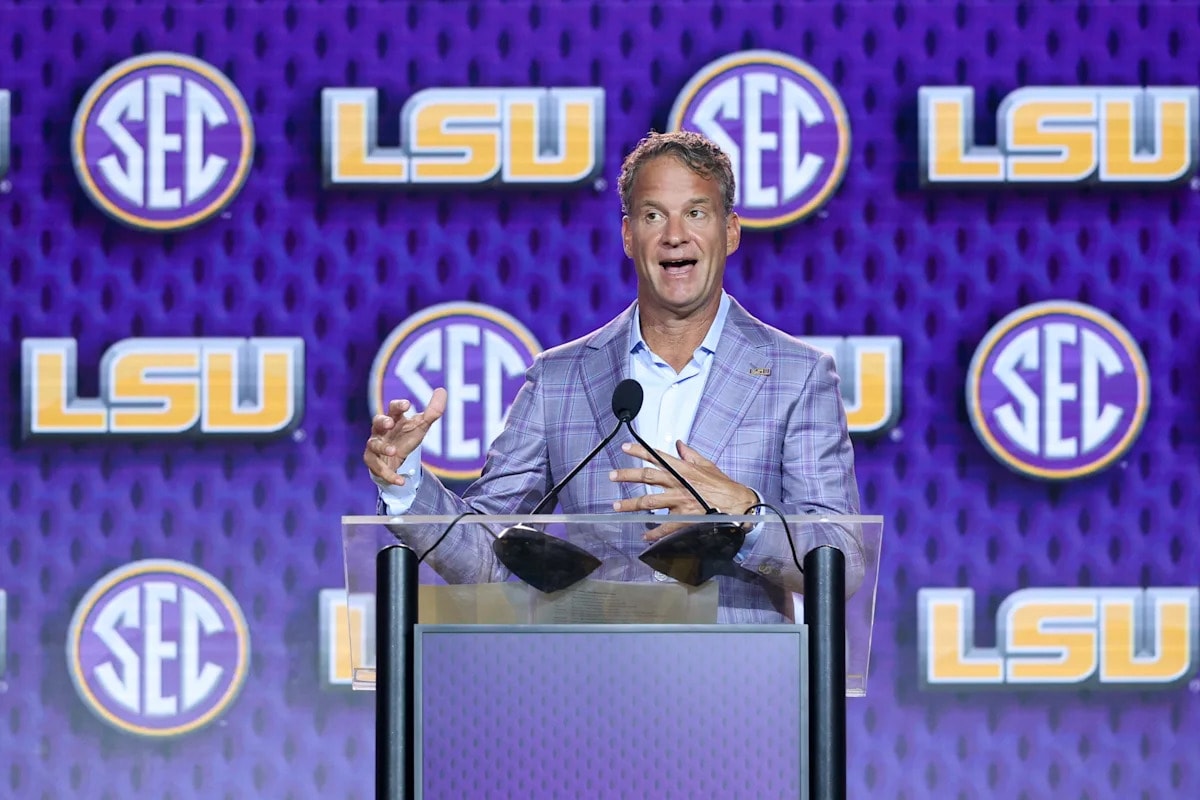
Ole Miss is facing fresh scrutiny after a report said the program sought federal assistance for counterespionage in the wake of Lane Kiffin’s departure for rival LSU. The claim, attributed to Ole Miss NIL leadership in coverage from Yahoo Sports, frames the episode less as a football storyline and more as an operational security concern, the kind of behind-the-scenes risk that can accompany high-profile coaching transitions between major conferences.
According to the report, Ole Miss believed the moment required “left no stone unturned” efforts to protect sensitive information after Kiffin moved to LSU. While the report centers on the use of the FBI as part of counterespionage efforts, it does not describe specific breaches, evidence, or targets. That matters, because counterespionage activity can range from formal investigations to broader risk-management measures, and the public record here is limited to what was described in the Yahoo Sports account.
The timing also sits within a broader college football reality: the modern game is tightly coupled to media rights, recruiting pipelines, NIL operations, donor strategies, and other information that can be more valuable than playbooks. In the weeks around a prominent coaching change, departments often worry about who might have access to internal documents, communications, and proprietary processes. Operational security is not unusual in that context, but federal involvement is comparatively rare in public reporting.
The report further notes that Kiffin’s offseason divorce from Ole Miss “certainly got a bit messy,” an observation that underscores how coaching departures can spill into multiple categories of institutional risk at once, including legal, reputational, and confidentiality concerns. Even without details of any wrongdoing, the depiction suggests Ole Miss leadership viewed the transition as volatile enough to warrant aggressive protective steps.
For Ole Miss, the immediate football implication is team stability. Kiffin’s exit meant LSU gained a coach with a proven ability to run offenses and develop quarterbacks, while Ole Miss had to move forward with new leadership in the same competitive SEC environment. Beyond the sideline, the reported counterespionage focus indicates that the Rebels were concerned about more than schemes, they were concerned about protecting information that could affect recruiting, NIL strategy, and the broader recruiting-and-communications ecosystem that surrounds a program.
The LSU connection is particularly sensitive in the SEC, where geography, recruiting overlap, and assistant-coach mobility can create fast-moving intelligence risks. When two programs are tied through frequent personnel churn and constant recruiting competition, the reputational impact of any security allegation can linger even if there is no public finding of misconduct. In this case, the report’s emphasis is on Ole Miss using the FBI after Kiffin’s departure, but it stops short of laying out any judicial outcome or officially documented investigation results.
What to watch next is whether Ole Miss, LSU, or relevant authorities provide additional clarification. If the claim is accurate, it could prompt more discussion across college football about how programs safeguard internal operations during high-stakes transitions. If no further confirmation emerges, the episode will likely remain a cautionary tale about how quickly coaching moves can raise security concerns, even when the only publicly described fact is that federal involvement was sought.
keyFacts and context: the reported events center on Ole Miss seeking FBI support for counterespionage after Lane Kiffin left for LSU, with Ole Miss NIL leadership describing extensive protective actions and noting the transition included personal complications involving the Kiffin divorce. Details on any investigation scope or findings were not provided in the report.
Why It Matters
- Security and confidentiality concerns are increasingly relevant in college football as recruiting, NIL operations, and communications systems become part of competitive advantage.
- A high-profile coaching departure to an SEC rival can heighten fears about information security, not just play-calling and game planning.
- The episode may increase pressure on programs to formalize operational security practices during transitions, especially where federal involvement is believed to have been considered.
- Because public confirmation of investigation details is limited, the story’s long-term impact will depend on whether additional documentation or official statements emerge.
Sources
Key Facts
- Yahoo Sports reported that Ole Miss sought FBI help for counterespionage after Lane Kiffin departed for LSU.
- The report attributes the counterespionage framing to Ole Miss NIL leadership, describing extensive operational security efforts.
- The coverage does not publicly specify alleged breaches, named individuals, or any confirmed wrongdoing.
- The report characterizes Kiffin’s divorce from Ole Miss during the offseason as contributing to a messy and sensitive transition.