
THE APEX TIMES
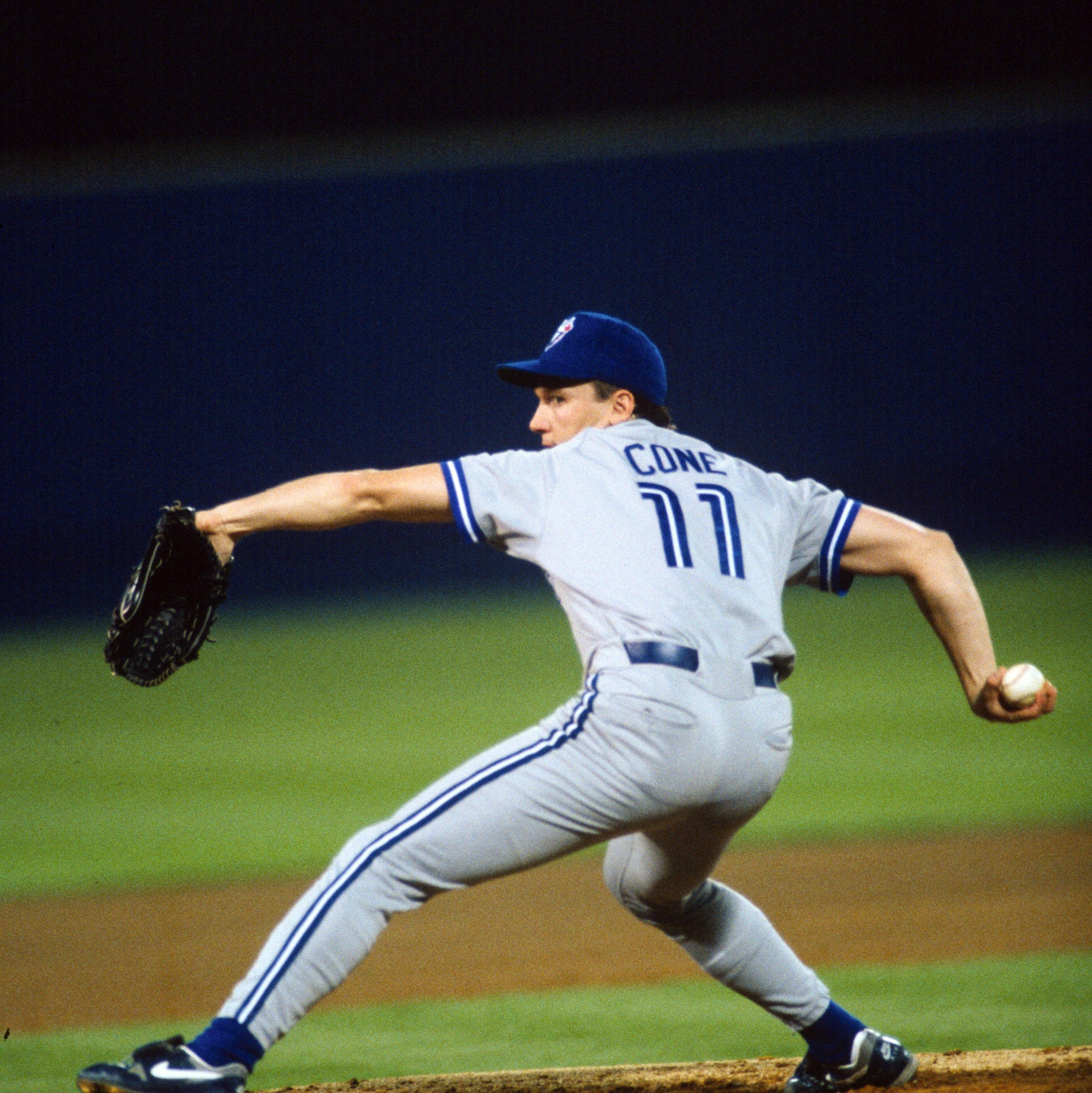
On this day in 1992, the Blue Jays traded for David Cone, swapping Jeff Kent and Ryan Thompson to the Mets
August 27, 1992 marked the first of two David Cone trades between Toronto and New York, a move that reshaped the Jays’ pitching outlook after they had already built a strong season record.
August 27, 1992 is remembered in Toronto as the date the Blue Jays acquired pitcher David Cone from the New York Mets. It was the first of two separate trades in which the Jays and Cone would be connected, a reminder of how quickly one frontline arm can draw a team into a deeper roster commitment.
The core of the trade sent Cone to the Blue Jays, with the Mets receiving Jeff Kent and Ryan Thompson. At the time, Kent and Thompson were part of Toronto’s return package, reflecting the cost of getting an established starting-caliber pitcher in the early 1990s. The deal also underscores how trades then were often about immediate trajectory, not long-term gradualism.
Before the trade, Toronto was already in a position of strength in the race. According to the Yahoo Sports retrospective, the Blue Jays held a 72-55 record at the time of the trade. That matters because the Jays were not simply rebuilding in August. They were competing, and adding Cone suggested they believed their path to the postseason and beyond required additional top-end pitching stability.
Cone’s arrival gave Toronto a veteran presence on the mound, and that type of acquisition tends to change how a team organizes its rotation. When a club moves for a pitcher at that point in the season, it is usually trying to lock in matchups for the late-season grind, then carry that advantage into October. The Jays trading for Cone, even before the second Cone-related deal later in his Blue Jays tenure, fits that pattern of intent.
For New York, receiving Kent and Thompson represented the other side of the exchange: trading a high-profile starting pitcher for pieces that could contribute in different ways. Kent, a known bat in the American League era that followed, would become one of the more recognizable names tied to the deal in baseball retrospectives. Thompson’s inclusion similarly shows how teams often look to bring back a mix of position-player potential and additional prospect or rotation depth when an established starter moves.
The biggest takeaway is that this was not a one-off transaction but the beginning of a recurring connection between Cone, Toronto, and New York. The Yahoo Sports item specifically notes that the trade was the first of two times the Jays traded for Cone, which suggests both teams continued to evaluate the same asset as needs shifted. For the Blue Jays, the question going forward would be how quickly Cone could integrate into their late-season plan and whether his presence helped them convert regular-season strength into postseason results.
Why It Matters
- The deal shows Toronto’s willingness to spend for immediate pitching impact during a competitive stretch rather than waiting until the offseason.
- Cone’s trade value highlights how a single frontline starter can become the center of major midseason roster strategy.
- The recurring Cone connection suggests the teams’ roster priorities continued to revolve around his role as needs changed.
Key Facts
- On August 27, 1992, the Toronto Blue Jays acquired pitcher David Cone from the New York Mets.
- The trade was the first of two times the Blue Jays traded for David Cone.
- In exchange, Jeff Kent and Ryan Thompson were sent to the Mets.
- At the time of the trade, the Blue Jays held a 72-55 record.