
THE APEX TIMES
Opinion: Lane Kiffin and LSU are the SEC’s “Al Davis” matchup, and the league-identity fight is the point
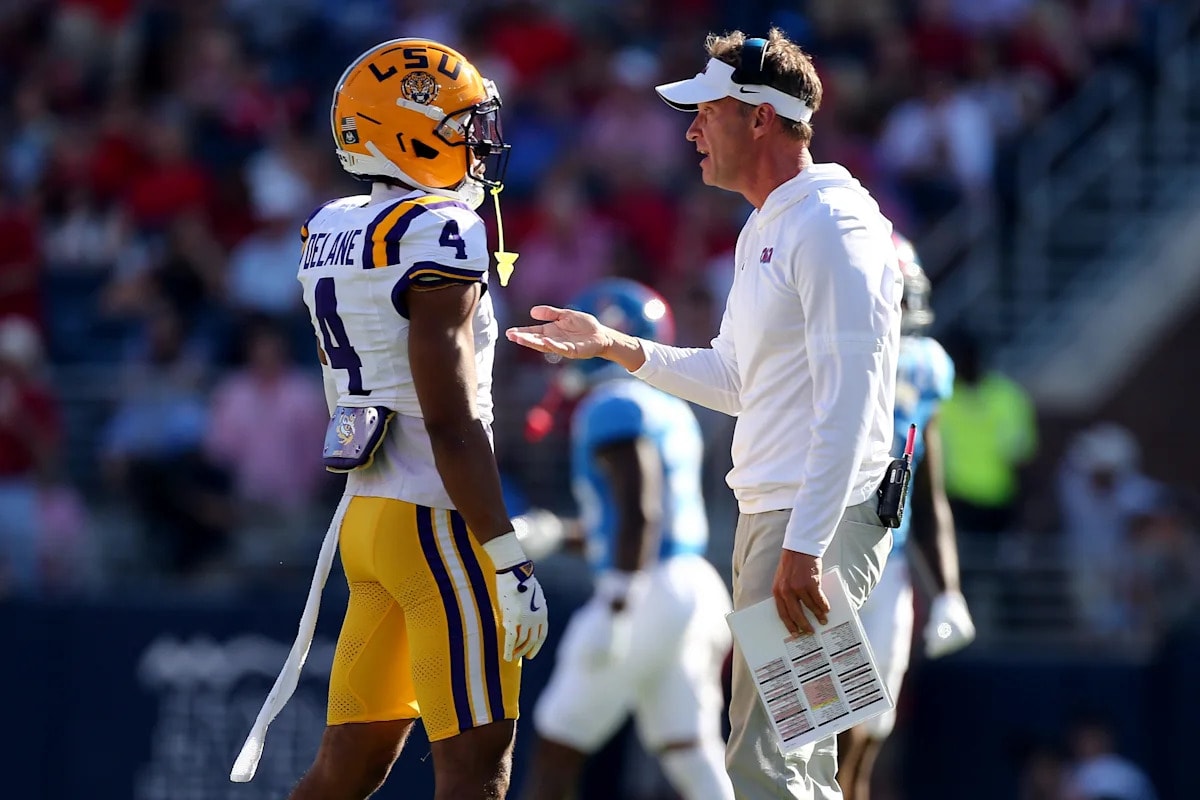
A new Lane Kiffin-themed argument framed LSU as the SEC school most willing to challenge the conference’s boundaries, setting up why any high-profile, boundary-pushing hire will inevitably spark friction.
The core premise of a new Yahoo Sports opinion piece is simple: pairing an SEC institution known for conflict with SEC leadership is a recipe for headline-grabbing clashes. The writer compares Greg Sankey’s position as SEC commissioner to the old-school rule-breaker logic associated with Al Davis, then points to LSU and Lane Kiffin as the agents most likely to force fireworks inside conference guardrails.
The opinion does not read like an obituary for SEC unity so much as a defense of the idea that big swings by programs are often designed to expose institutional limits. It argues that, among the conference’s 16 schools, LSU has both the historical appetite for pushing back and the practical incentive to do so when the stakes involve recruiting visibility and roster shaping.
Importantly, the column is presented as analysis and opinion, not a record of newly confirmed transactions. It references the notion of LSU “wedge” plans for the 2026 football roster and frames the discussion around how Kiffin’s style, reputation, and willingness to try unconventional approaches could create disputes that are as much about identity as they are about play-calling or personnel.
Even without treating the piece as a transcript of events, the argument highlights a familiar tension in college football: the SEC’s centralized governance vs. the individual brand strategies of its member programs. LSU, as portrayed in the column, becomes the vehicle for that tension, because the program’s public-facing decisions tend to generate debate about whether the conference’s posture is controlling or protective.
Kiffin’s name is central to the opinion because it represents a particular kind of media magnetism and a particular kind of program-building posture. Within that framing, any attempt to leverage transfer-market momentum or recruiting attention becomes part of a larger bargaining process, where the “rules” are not just on the field, they are also about perception, leverage, and institutional authority.
For readers, the most useful takeaway is not whether every detail of the opinion is prescriptive, but what it implies about how the SEC story is changing. If marquee coaching decisions keep acting like pressure tests, then the league’s most consequential moments may increasingly look like negotiations in public, where the commissioner’s office, the schools, and the fan bases are all participating.
What to watch next is confirmation of what LSU’s actual 2026 football plan is, and whether conference leadership responds in ways that are formal, procedural, or purely rhetorical. If the SEC continues to treat controversies as governance issues while schools treat them as brand moves, then the “Sankey vs. Davis” dynamic the column invokes could remain a recurring storyline, not a one-off headline.
Why It Matters
- It reflects how coaching hires can become conference governance flashpoints, not just football strategy.
- It underscores the SEC’s continuing internal tension between centralized oversight and individual school ambition.
- It suggests the 2026 recruiting and roster-building narrative may be shaped as much by institutional leverage as by on-field performance.
- It previews how public messaging, media access, and institutional reputation could drive future SEC storylines.
Sources
Key Facts
- The story is an opinion piece published by Yahoo Sports on August 31, 2026.
- The author frames a contrast between SEC commissioner Greg Sankey and the rule-breaker logic associated with Al Davis.
- The opinion argues that LSU and Lane Kiffin represent a match likely to create conflict within SEC boundaries.
- The column discusses the idea of LSU shaping its 2026 football roster with an emphasis on disruption and visibility.
- The piece is written as analysis rather than a primary reporting account of specific transactions.