
THE APEX TIMES
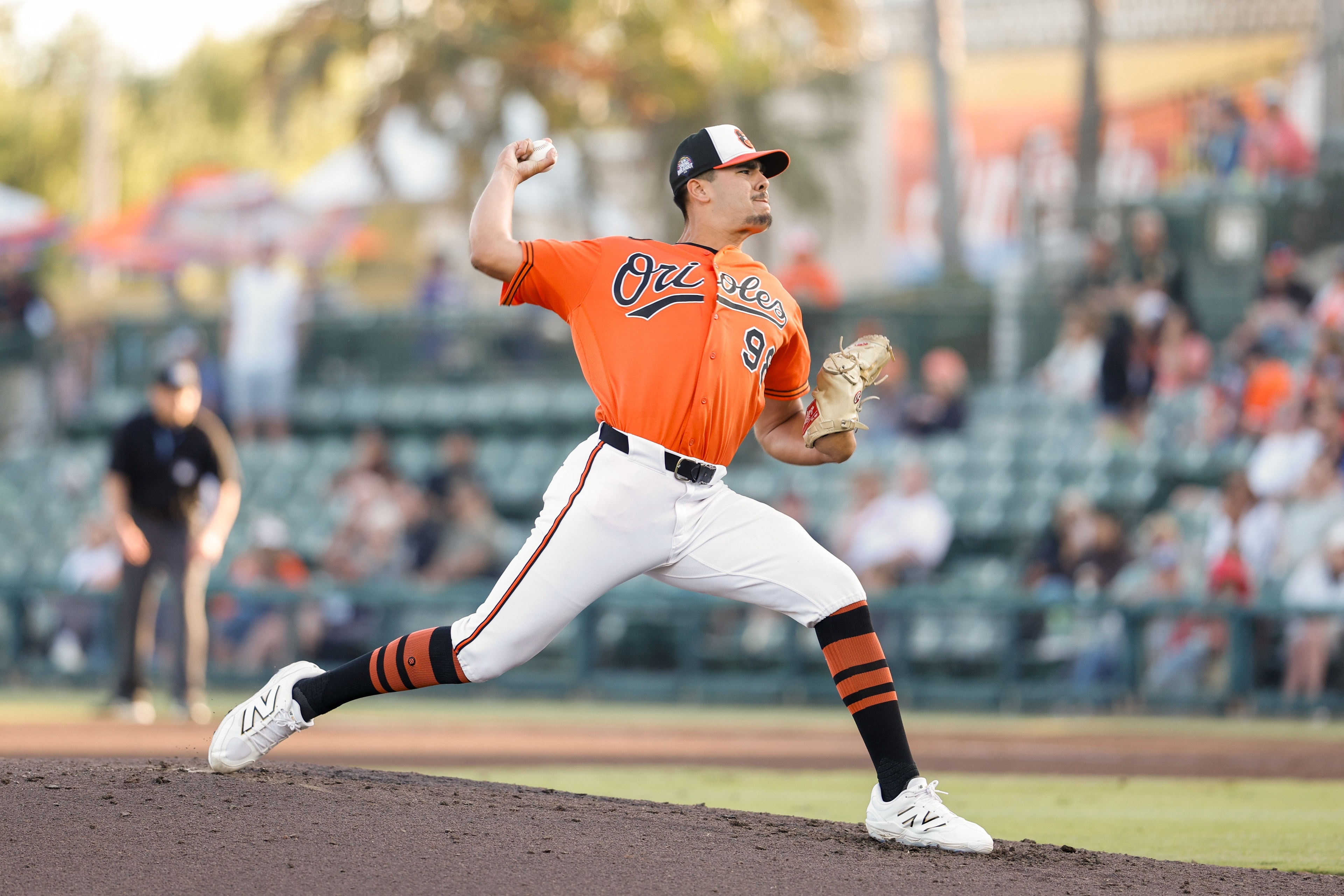
Orioles pitching pipeline shows how hard it is to hit on major-league starters, with Nestor German next in line
Yahoo Sports examines where Nestor German fits among Baltimore’s pitching prospects, and why the organization’s strategy of stocking the system with later-round picks has often meant waiting for the breakthrough.
Baltimore’s system is again facing the common problem of a modern contending organization, how to move from promising arms to proven major-league starters. In a look at the Orioles’ current prospect group, Yahoo Sports highlighted Nestor German as a name trying to work his way out of a “middle” tier, where enough development and opportunity can still turn into a rotation impact, but where the path is crowded behind other emerging prospects.
The article frames the Orioles’ broader approach under baseball operations head Mike Elias. Over nearly eight years leading baseball operations, the team has repeatedly looked for starting-pitcher upside by repeatedly targeting draft and signable talent that other clubs do not always prioritize, including 11th-round-or-later draft picks, undrafted free agents, and the more recent 3rd-to-5th round picks acquired through trades. The intent is to identify rotation-caliber arms at prices and in quantities that allow the system to keep taking shots.
According to Yahoo Sports, that bulk accumulation of pitching talent did not consistently translate into MLB-ready results for a long stretch. The breakthrough that the piece points to as the exception is Brandon Young’s surprise emergence, which helped illustrate that the Orioles’ long-game strategy can eventually cash in, even if the first drafts do not always pay off.
Within that context, German is presented as a reasonable next candidate to follow the pattern of a later-blooming prospect. The core challenge for players in German’s position, as described in the piece, is that they are not the newest story at the top of the pipeline, and they must navigate a group of other arms that are also progressing toward the same type of opportunity. The Orioles, like most organizations, will only run so many starters through the process each year, so even strong minor-league performances can still leave a player “stuck in the middle” of the hierarchy.
While the article does not frame German as a finished product, it uses his placement to describe a team-building reality in which prospect rankings are often less about one player’s ceiling and more about timing and organizational need. The Orioles’ decision to keep prioritizing pitching stock, even after years of mixed outcomes, makes the middle tier especially important. Players there become the swing point for whether the overall strategy produces additional major-league starters or remains dependent on a smaller number of hits.
German’s “next chance” theme is also tied to the depth of the Orioles’ pipeline, with the piece suggesting that after Young’s emergence, additional arms from the same broader intake window are positioned to get looks. In practical terms, what follows for German is likely a test of how quickly his development turns into consistent, major-league-relevant performance, and how the Orioles decide to sequence promotion decisions once the top-of-the-system arms are accounted for.
If the Orioles’ internal bet on quantity and value is going to keep paying off, players like German must eventually separate themselves from the crowd. The immediate watch item is not a single promotion prediction, but whether the next wave of late-round and traded-pick prospects can convert more regularly into starting-caliber outcomes, reducing the team’s reliance on occasional breakout seasons.
For now, German’s role is best understood as a pivotal point in an organization-wide pipeline: a prospect positioned to capitalize on organizational momentum, but also a reminder that even good process can take years to produce repeatable rotation options.
Why It Matters
- For a rotation to sustain a competitive window, organizations need multiple major-league starters, not just one breakout.
- The Orioles’ prospect strategy, as described in the story, raises the stakes for middle-tier prospects, since they can determine whether the system produces depth or remains dependent on a few hits.
- How quickly players like German move through the “in-between” tier can affect the team’s flexibility around promotion timing and roster construction.
- The broader lesson is that bulk acquisition can take time to convert into outcomes, making player sequencing and patience central to the rebuilding and contention cycle.
Key Facts
- Yahoo Sports profiled Nestor German’s place among Orioles pitching prospects, describing him as in the middle of the group.
- The story connects German’s prospects to the Orioles’ long-running strategy under Mike Elias of targeting starting-pitcher upside through bulk drafting and signings.
- The Orioles’ targets described include 11th-round-or-later draft picks, undrafted free agents, and 3rd-to-5th round picks obtained through trades.
- Yahoo Sports says the results of this bulk approach were inconsistent for much of the strategy’s run before a notable emergence by Brandon Young.
- The piece frames German as a potential next beneficiary of that emergence, with other arms also in the queue for future opportunities.