
THE APEX TIMES
Orioles pivot from deadline neutrality, trading Ward to Mariners for three pitchers
Baltimore, which had indicated it would not be a buyer or seller ahead of the Monday 6 p.m. ET Trade Deadline, made its first notable move by dealing a key player to Seattle in exchange for a multi-pitcher return.
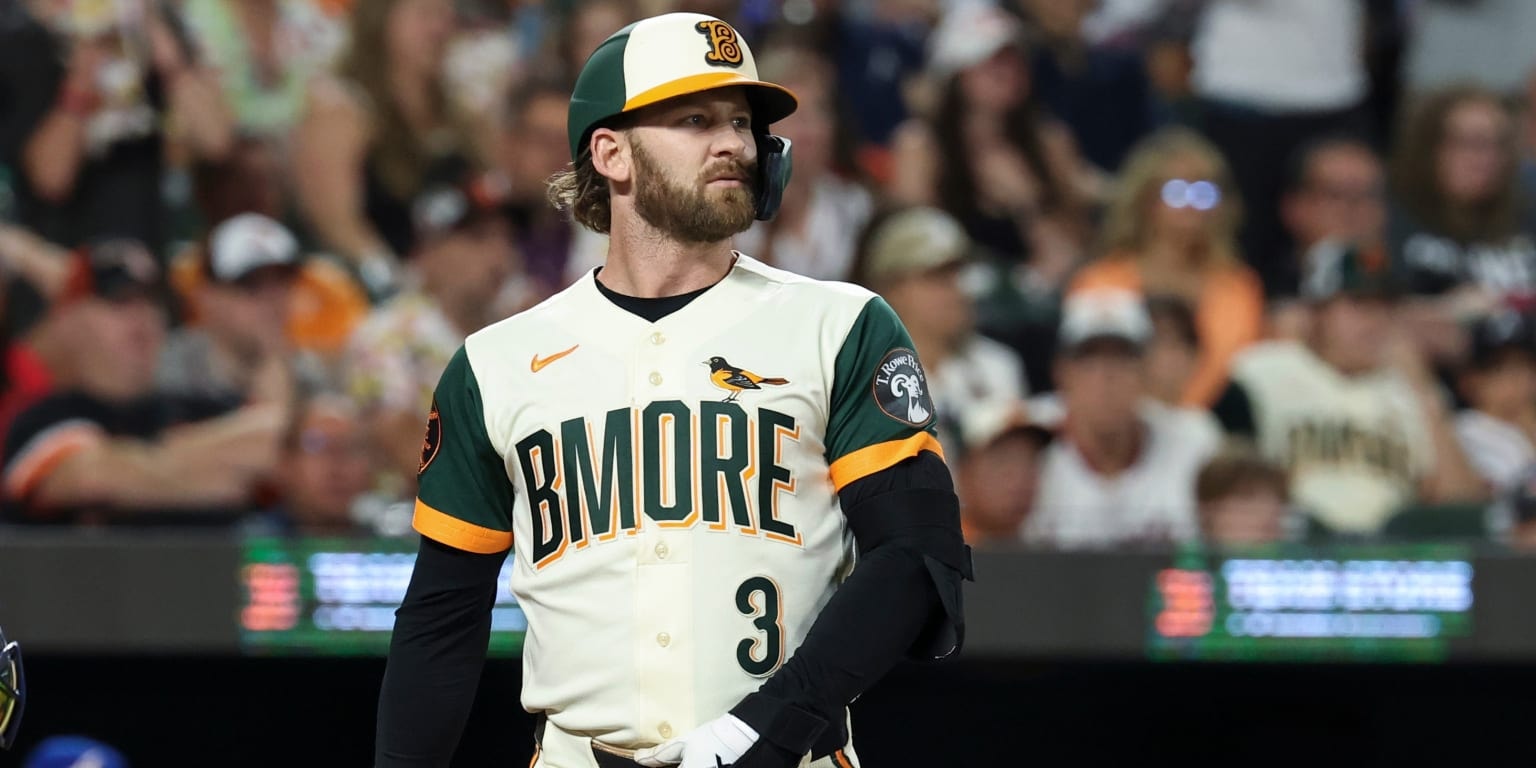
The Baltimore Orioles moved from trade-deadline posture to action Monday, agreeing to trade Ward to the Seattle Mariners for three pitchers, the club said through its official Major League Baseball release. The deal matters on its face because it is a pure roster subtraction for Baltimore, even though team president of baseball operations Mike Elias had publicly set an expectation the organization would not be “buyers nor sellers” in the days before the deadline.
Elias’s comments came last Friday, and they framed the Orioles’ approach as cautious and selective. Yet the Ward trade is the first concrete shift in the front office’s behavior since that message, and it comes with the kind of deadline timing that often suggests the team has decided certain present-day pieces are best converted into future pitching depth.
From the Mariners’ perspective, the acquisition fits a common deadline pattern: use the final window of roster flexibility to add a controlled, ready-from-day-one position player in exchange for young arms. In exchange for Ward, Seattle is taking on the Orioles’ willingness to value pitching resources, and Baltimore is doing what many contenders do late in August, translating a roster asset into multiple chances to keep talent in the pipeline.
For Baltimore, the “three pitchers” framework is the key detail. Even without naming individual prospects or roles in this release excerpt, a multi-pitcher return indicates the Orioles are not simply swapping one player for one player. Instead, they are consolidating the trade value into a group that can contribute at different levels, either by breaking with the major-league club sooner or by strengthening depth behind the rotation and bullpen.
The deadline itself is structured to reward exactly this kind of calculus. At 6 p.m. ET on Monday, teams can no longer adjust rosters through trades for the rest of the season. That hard stop tends to bring front offices into sharper focus, especially when earlier public messaging has created a baseline expectation with fans and rivals. Baltimore’s Ward deal suggests the Orioles found a match they believed was too favorable to ignore.
Beyond the immediate player movement, the transaction also changes the remaining decision tree for both organizations. Baltimore now has to use its remaining roster and internal options to cover the everyday opportunities vacated by Ward, while also integrating the pitching group it is receiving into the organization’s short-term needs. Seattle, meanwhile, has to ensure that adding Ward does not destabilize its existing defensive and lineup plans, since deadline position-player trades can create both immediate benefits and short-term adjustments.
What to watch next is how each team deploys its new pieces during the final stretch. For Baltimore, the key question will be whether the pitching return can begin to affect games quickly enough to justify the loss of a major-league position piece. For Seattle, the focus will be on whether Ward fits seamlessly into the lineup and remains a stabilizing presence as the Mariners push through the rest of the regular season.
If more details are released or if additional related moves follow, they will help determine how broad Baltimore’s deadline swing truly is. With this first deal already documented as a pivot from “no buyers nor sellers” messaging, the remaining hours and subsequent days should clarify whether this is an isolated conversion or the start of a fuller roster retooling.
Why It Matters
- Deadline trades often determine how teams balance immediate lineup needs against long-term roster construction, and Baltimore’s return emphasizes pitching depth.
- For the Mariners, adding Ward is a lineup-centric move that can tighten day-to-day competitiveness in the final stretch.
- The fact that Baltimore made its first major move after public “not buying or selling” language raises the stakes for what other moves, if any, may follow.
- The multi-pitcher structure suggests Baltimore is prioritizing depth and future flexibility, not a one-for-one replacement timeline.
Sources
Key Facts
- The Orioles traded Ward to the Mariners ahead of the Monday 6 p.m. ET Trade Deadline.
- The Orioles’ front office messaging had been that Baltimore would be neither a buyer nor a seller before the deadline.
- The return for Baltimore included three pitchers from Seattle.
- The transaction is described in an official MLB release from the Orioles as the club’s first notable move since Elias’s comments.
- The deal reflects a deadline strategy shift from roster neutrality toward value conversion into pitching depth.