
THE APEX TIMES
Orioles plan to keep Trevor Rogers for now, a choice that shapes their trade-deadline calculus
Baltimore’s latest deadline posture suggests it values Trevor Rogers as a near-term piece, even with his free-agency timeline looming.
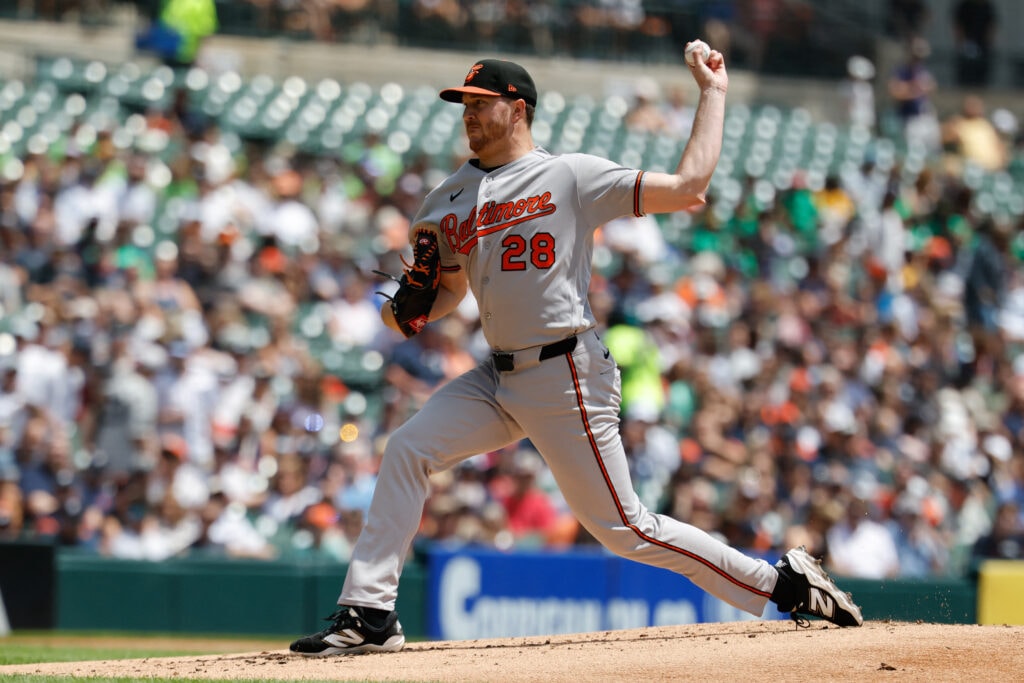
The Baltimore Orioles are holding Trevor Rogers rather than moving him before the August trade window, a decision that indicates the team does not view its best “sell” options as overriding every other need. The move matters because in August, contenders and near-contenders typically face a narrowing set of choices: either cash out on rental value, or preserve major parts of the roster for October and the rest of the season’s stretch drive.
Rogers, identified in the report as one of the Orioles’ best impending free agents, becomes more than a simple trade bait or off-the-radar bullpen arm in that context. When a team is willing to keep a player with a coming free-agency date, it usually indicates at least one of two things: the player is performing enough to justify the roster spot, or the club believes it can bridge the gap to the later stages of the season without forcing a reset.
The Orioles’ broader approach described by the report includes active selling elsewhere, which frames Rogers as the exception rather than the rule. That distinction is important for how fans and evaluators read the Orioles’ season-building logic. Teams can be aggressive at the edges of a roster while still protecting their most useful internal assets, particularly those that affect day-to-day baseball realities such as starting pitching workloads and rotation stability.
For Baltimore, Rogers’ presence has practical effects even before any extension talk becomes public. A consistent starting pitcher changes how a staff manages innings, how often the bullpen is taxed, and how the team plans matchups later in the month. Even without specific performance details in the report, a decision to retain a starter-caliber arm indicates the Orioles want continuity rather than the shake-up that often follows an in-season trade.
In practical terms, “holding” Rogers also keeps open the possibility of a continued evaluation window. Teams that plan to move a player before he reaches free agency often do so to avoid losing him for nothing. Conversely, teams that keep such players sometimes do so because they still see enough upside to justify trying to translate the season into leverage for re-signing, or at minimum to maximize what they can get out of the player’s next few starts.
The tightrope for the Orioles, then, is managing expectations across two timelines at once. The immediate timeline is winning games with their current mix, and the later timeline is turning that mix into roster decisions in the offseason. Rogers’ status will therefore be watched closely, not just as a “will he stay” question, but as an indicator of whether Baltimore is preparing for a sustained playoff push or taking steps that prioritize long-term asset value.
What to watch next is whether the Orioles’ stance stays consistent as the calendar moves deeper into August. If Baltimore continues to keep Rogers while other players are traded out, the pattern will reinforce the idea that Rogers is central to their rotation picture. If, however, the Orioles change course later, it could suggest that market pressure or internal roster needs eventually outweighed the value of holding him through the rest of the season. Either way, Rogers is now positioned as a reference point for Baltimore’s trade-deadline priorities and offseason intent.
Key facts from the report point to one clear conclusion: the Orioles’ trading activity is not uniform, and keeping an impending free agent like Rogers suggests the club believes he has enough current value to be part of their near-term plans. For teams and fans following the deadline race, that kind of exception often carries more meaning than the trades themselves, because it reveals which pieces the organization is unwilling to disrupt.
Why It Matters
- Rogers’ continued presence affects how the Orioles manage starting pitching and bullpen usage through August and September.
- Keeping a notable impending free agent can report a stronger focus on maximizing the current season’s playoff chances.
- The decision provides an indicator of Baltimore’s trade-deadline identity, distinguishing between peripheral selling and retaining core assets.
- Rogers becomes a key storyline for the Orioles’ offseason leverage and any potential extension discussions.
- If the Orioles hold him longer, it may reduce the likelihood of a clean “rental return,” increasing the importance of performance evaluation in real time.
Key Facts
- MLB Trade Rumors reported that the Orioles plan to hold Trevor Rogers rather than trade him before the trade window.
- The report frames Rogers as one of Baltimore’s best impending free agents.
- The Orioles are described as having made multiple “sell” moves while keeping Rogers as an exception.
- Rogers’ impending free-agency timeline is presented as part of the reason the decision is notable.
- The report implies Baltimore’s priority is to retain Rogers’ roster value for the near-term rather than convert it immediately into future assets.