
THE APEX TIMES
Ortiz and Chaparro spark runs as Nationals’ lineup adapts after roster shakeups
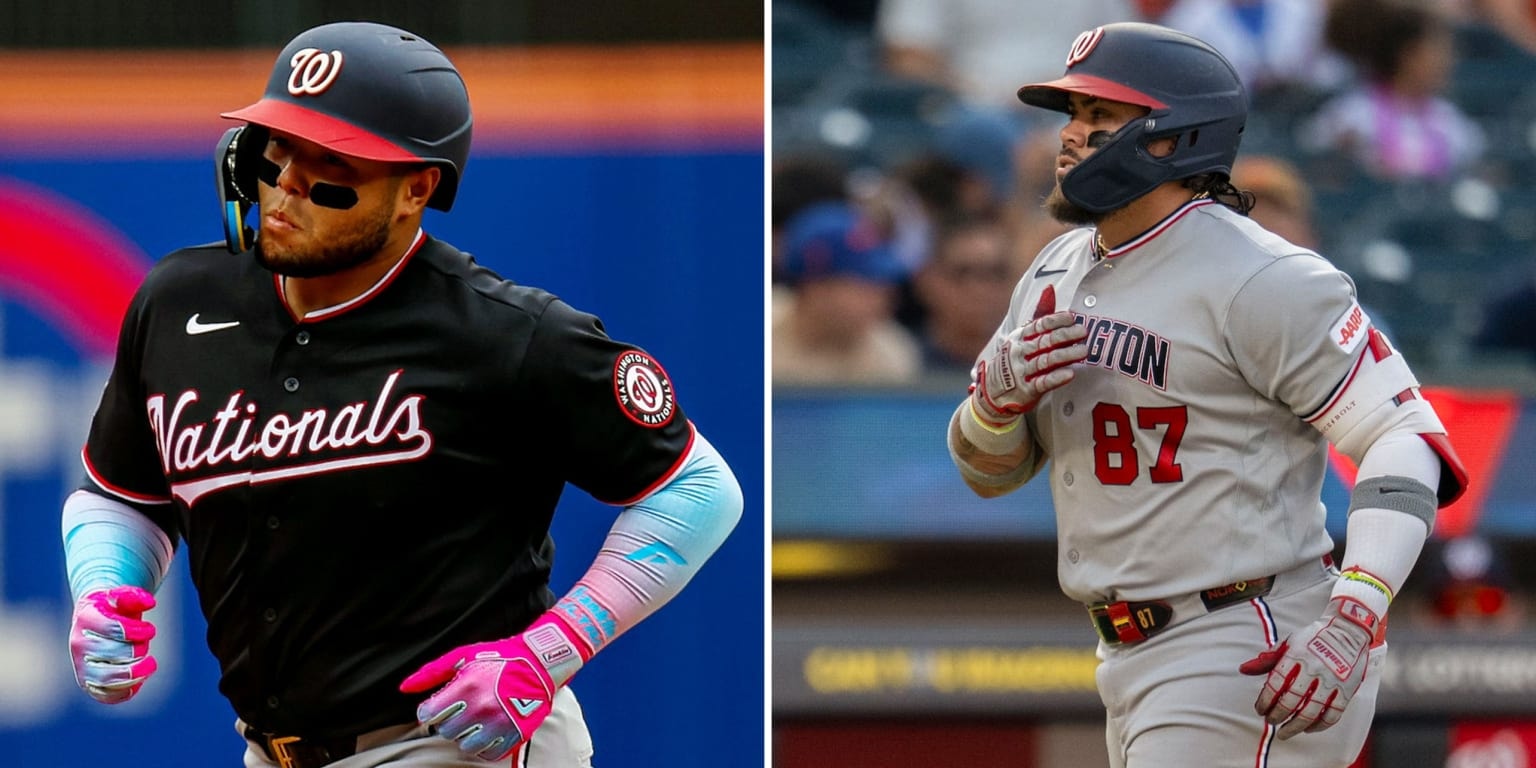
With James Wood sidelined and parts of the middle of the order moved out, Washington has leaned on a lefty-righty platoon approach, turning Abimelec Ortiz’s power and Andrés Chaparro’s steady contact into meaningful production.
The Nationals have been forced to adjust their offensive plans during a stretch of roster change, and the new-look lineup has found a recurring spark from Abimelec Ortiz and Andrés Chaparro. In the days leading up to the latest game update, the club pointed to the need for lineup pop after losing players from its lineup construction and after James Wood was sidelined, leaving Washington searching for consistent run production.
Ortiz, a left-handed hitter, has been one of the most direct answers to that question. In the Nationals’ loss to the Mets that prompted the most recent update, Ortiz delivered an extra-base impact that was described as historic, a sign that Washington’s off-balance offensive identity is capable of producing game-turning swings even when the broader lineup is in flux.
Chaparro, batting from the right side, has complemented Ortiz by giving Washington another way to generate at-bats and damage in the same offensive time window. The team’s framing of the pairing suggests a deliberate platoon mindset, built around having two complementary hitters who can be inserted into a production role rather than relying on a single, fixed solution through the order.
The context matters because Washington’s lineup has been disrupted beyond just day-to-day performance. The Nationals traded Luis Garcia Jr. and Curtis Mead, moves that reshaped internal expectations for where offense would come from. In addition, Wood’s sidelining removed another established bat from the lineup picture, heightening the importance of internal answers.
Managerial intent, as reflected in the team’s quotes and game notes, was centered on doing as much as possible with the players currently available, particularly from positions where power and hit-making can be maximized. The Nationals’ recent emphasis on the Ortiz-Chaparro platoon reinforces that the club is treating offense as a committee responsibility in the short term, rather than waiting for a single hitter to carry the burden.
For Washington, the practical value of this approach is that it helps stabilize run creation across multiple innings. Ortiz’s ability to leave the park creates a threat that can shift how pitchers attack the lineup, while Chaparro’s role gives the Nationals another hitter who can keep pressure on the opposing defense and bullpen, especially when Washington is trying to manufacture offense without the same inventory it had earlier in the season.
What to watch next is whether the platoon dynamic becomes a long-term offensive structure for the Nationals or remains a bridge while the club works through personnel and health realities. If Ortiz’s power output and Chaparro’s ability to contribute at-bats continue to show up in the run column, Washington’s revamped order could keep generating momentum in games where early innings do not immediately go its way. If either part of the platoon fades, the team will likely be back to searching for a replacement spark.
Why It Matters
- A sustained Ortiz-Chaparro production stretch gives the Nationals a workable template for generating runs even when the rest of the order is reshaped.
- Power at the right times can force opponents to change pitching plans, which can indirectly raise overall lineup efficiency.
- Roster volatility makes short-term offense more important, because the ability to score helps reduce the margin for error in late-season games.
- If the platoon pairing keeps delivering, it may influence how Washington uses similar hitter matchups for the remainder of the season.
Key Facts
- The Nationals have been seeking more offensive production after James Wood was sidelined.
- Washington also traded Luis Garcia Jr. and Curtis Mead, changing its lineup construction.
- The team has emphasized a platoon role featuring right-handed hitter Andrés Chaparro and left-handed hitter Abimelec Ortiz.
- Ortiz hit a “historic” homer in the Nationals’ loss to the Mets, per MLB’s team report.
- Washington’s messaging highlighted doing “everything we can” with the players available amid lineup turnover.