
THE APEX TIMES
Packers coordinators and assistants address injuries after preseason loss to Steelers
Green Bay’s coaching staff met with the media after a 28-9 defeat, with two key names from the game getting reassurances on their health.
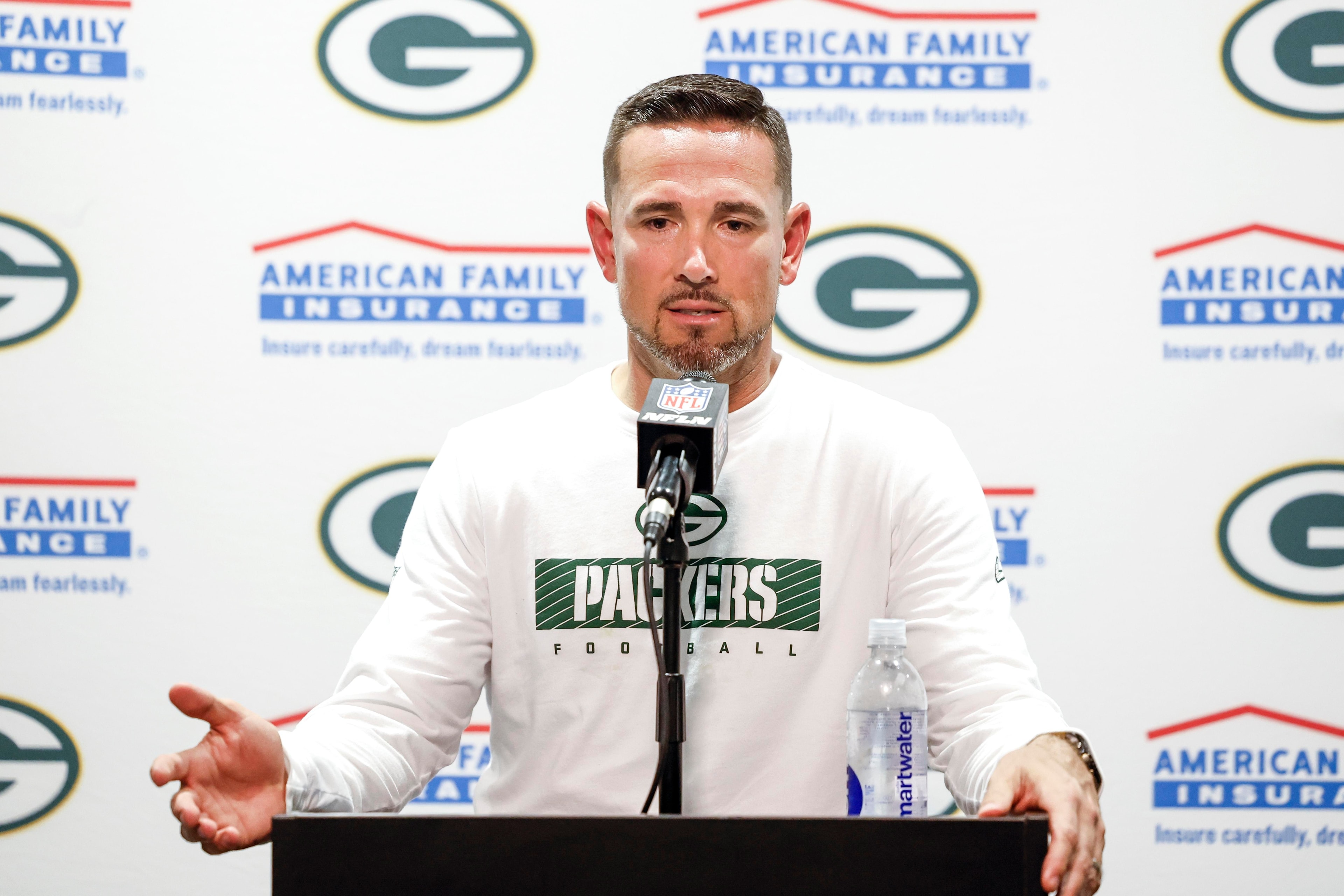
The Green Bay Packers’ coaching staff met with reporters on Friday after the team dropped its preseason opener to the Pittsburgh Steelers, 28-9. The early theme was health and evaluation, as the Packers worked through what their latest personnel looks like under game conditions and what, if anything, will shape the next week of preparation.
According to the report, Anthony Campbell and Darian Kinnard did not suffer long-term injuries during Thursday night’s game. For a team in the middle of roster sorting, that distinction matters, because it lowers the chance that either player will be sidelined for an extended stretch while also allowing the staff to keep assessing performance with a more stable group.
The game itself also set up a clear storyline by depth chart. The Packers held the lead with their third-string units for a significant portion of play, even as the contest remained physical. When Green Bay shifted to its fourth-string defense, the tempo changed quickly, and the Steelers scored on three consecutive touchdowns to close out the scoring.
That swing is a familiar preseason dynamic, where the evaluation is less about who wins a single game and more about how each tier of the roster handles execution, communication, and opponent adjustments. For the Packers, the staff’s media availability suggests they wanted to draw a line between short-term bumps and longer-term concerns while still acknowledging that the late-game defensive lapse cost momentum.
The report also framed the media session as a broader discussion that included coordinators and assistant coaches, not just position groups. In preseason, those conversations often revolve around what the staff learned about scheme fit and fundamentals, including tackling, assignment discipline, and the ability to sustain drives against second- and third-wave personnel.
With the Steelers game serving as a baseline, the Packers will now look for continuity as their preseason calendar moves forward. The key question going ahead is whether the earlier positives and the reassurance on potential long-term injuries can translate into cleaner later-game defense, particularly with deeper units.
For fans, the immediate takeaway is modest but important: Green Bay walked away without a reported long-term injury for Campbell or Kinnard, but the late defensive stretch exposed how quickly games can tilt once fourth-string groups take the field. The staff’s next steps will be watched closely for any adjustments to depth-chart usage and defensive expectations.
Why It Matters
- In the preseason, determining whether injuries are long-term affects how staffs plan reps and roster decisions.
- A late defensive collapse can highlight schematic or execution issues that need addressing before the next game.
- The outcome of depth-chart evaluations often influences how the team prioritizes who plays meaningful snaps in subsequent weeks.
Key Facts
- The Packers lost 28-9 to the Steelers in their preseason opener on Thursday night.
- The Packers’ coaching staff, including coordinators and assistants, spoke to the media on Friday.
- Anthony Campbell and Darian Kinnard were reported not to have suffered long-term injuries.
- Green Bay held the lead with its third-string units for a portion of the game.
- When Green Bay’s fourth-string defense entered, Pittsburgh scored three straight touchdowns to close the game.