
THE APEX TIMES
Packers offensive-line reinforcements could set the table for a more balanced Green Bay attack
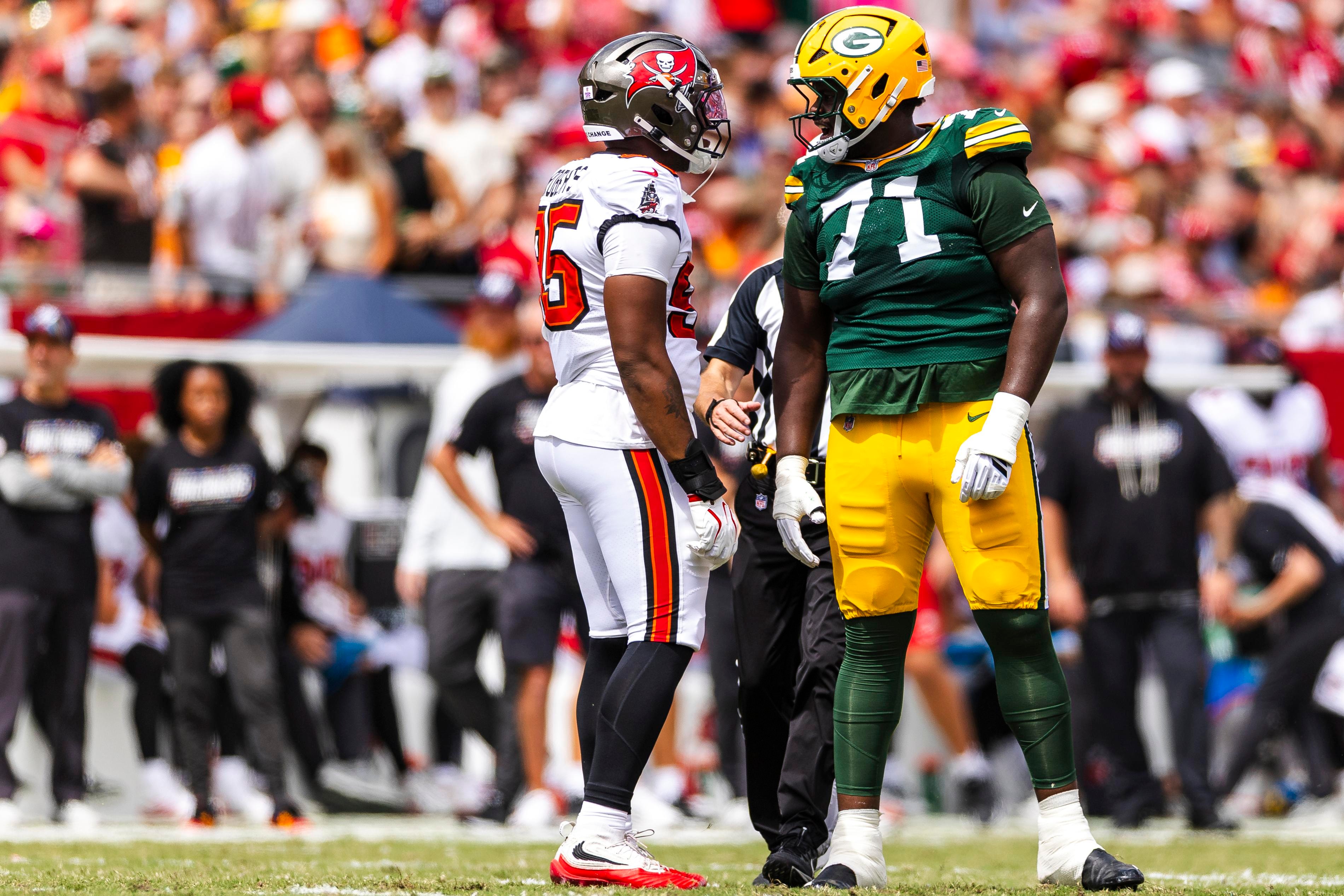
A focus on the run game is shaping the next storyline for the Packers, with the offensive line at the center of expectations for how the offense can perform in both phases.
Green Bay’s offensive identity is often traced to what happens up front, and a fresh look at the Packers frames this period as “baby steps” toward restoring a more dependable run game. The central premise is straightforward: when the offensive line improves its ability to create and protect, the offense can first lean on the run, then move more comfortably into the passing game.
The public conversation around the Packers frequently returns to offensive line performance, and that attention is not an accident. An offensive line can quietly dictate the pace of play, the efficiency of short-yardage situations, and whether play-action and drop-backs have the clean timing a quarterback needs. In that sense, the storyline is less about one individual moment and more about whether the unit can consistently set conditions for everything else.
In the view presented by Yahoo Sports, the Packers’ run game is the next logical beneficiary if offensive-line reinforcements hold up in practice and translate onto game film. The logic is that a functional run game does more than produce yardage. It influences defensive posture, compresses the middle of the field on passing downs, and reduces the number of times the offense is forced into obvious passing situations.
From there, the knock-on effect is the passing phase. If the run game can command respect, quarterbacks often see fewer stacked boxes and less pressure that is fueled by predictable down-and-distance patterns. The article’s framing suggests that the Packers’ offensive line is the link between two parts of the attack, meaning that any step forward in protection and run blocking could widen the playbook rather than narrowing it to safe, immediate reads.
It is also worth noting what this kind of storyline does not guarantee. Even if offensive-line reinforcements are meant to improve performance, football still depends on execution from snap to snap. Run blocking is as much about timing and physical matchups as it is about personnel, and pass protection often varies by stunt packages, blitz design, and how quickly routes develop. The “in theory” language matters because it indicates that the outcome will be judged by results, not expectations.
What to watch next is whether the Packers can turn run-game themes into repeatable offensive rhythm. If the offense can establish more consistent early-down success, it should open up more favorable third downs and give play-action passing a more stable foundation. In the broader picture, Green Bay’s ability to run and protect does not just affect single drives, it shapes the season’s path by influencing opponents’ defensive planning and the margin for error when the passing game is under pressure.
Why It Matters
- A stronger run game can change opponents’ defensive behavior, making later passing downs more workable for the Packers.
- Offensive-line play impacts both protection and run blocking, so improvements can ripple across the entire offensive playbook.
- If Green Bay can sustain early-down efficiency, it can reduce the offense’s reliance on low-percentage situations later in drives.
- Because the offensive line is the engine of tempo and protection, its performance often becomes the clearest indicator of whether an offense is trending in a positive direction.
Key Facts
- Yahoo Sports described Green Bay’s next offensive steps as improving the run game first, then the pass.
- The piece ties the Packers’ run-and-pass balance to offensive-line performance, emphasizing how often the unit drives public discussion about the team.
- The article presents the idea that offensive-line reinforcements could translate into on-field improvements, while acknowledging the concept is theoretical until proven.