
THE APEX TIMES
Packers push from near their own goal line and turn the first drive into a long touchdown march
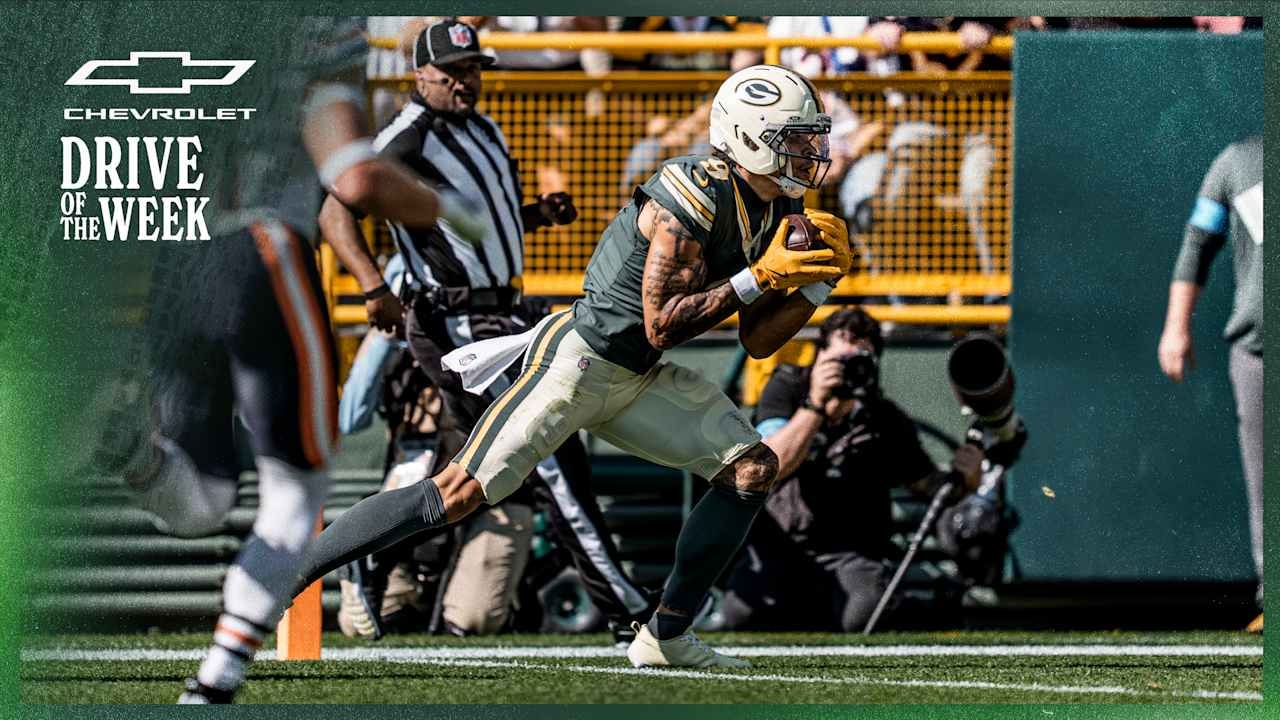
Green Bay’s opening offensive possession struggled to get traction behind its own goalposts, then found rhythm with two key third-down conversions that helped a nearly full-field first touchdown drive become the tone-setter.
Green Bay’s offense started its first meaningful series from the shadow of its own goalpost, a situation that often dictates conservative play calling and tight margins for error. But the Packers’ first touchdown drive avoided the common trap of stalled downs and punt pressure by converting on the road out of early negative space and sustaining the drive long enough to reach the end zone.
According to the team’s game recap, the sequence that flipped the series came on third down. The Packers recorded a pair of third-down conversions early in the possession, turning what could have been a short trip into the start of a methodical march. Those conversions mattered because they created repeatable downs after the opening snaps, allowing the offense to move the ball in manageable chunks rather than chasing the clock on second and long.
The drive ultimately traveled nearly the full length of the field, building a first-score foundation on sustained execution. The team’s account emphasizes the distance and the difficulty of starting conditions, underscoring that the early field position was a real obstacle. In practical terms, covering that much ground early in a game changes how an opponent can deploy defenders, since it forces adjustments that must hold across multiple series rather than one-off stops.
Beyond the raw yardage, a long opening touchdown run also serves as an early settling mechanism for a quarterback-led offense. Getting to the end zone on the first drive gives the play-caller confirmation that the game plan can work immediately, and it reduces the need to abandon patterns when early matchups do not immediately look favorable.
For Green Bay, the key pattern was simple: escape the initial pressure created by starting deep and convert on third down when the drive was most vulnerable. Third downs function as leverage points because they compress the playbook into high-percentage concepts and put the defense into more predictable formations. Converting twice in that stretch indicates that the offense could both protect the ball and create separations or running lanes under tighter coverage.
The larger takeaway is about pacing and momentum. The first score is rarely just about points on a scoreboard; it is often about who controls possession length and who can dictate defensive tempo. By turning a difficult first set of downs into a near-length-of-field touchdown drive, the Packers set an early tone that can help their offense play with confidence for the remainder of the game.
Looking ahead, the most watchable detail from this kind of drive is whether Green Bay can replicate the same third-down efficiency as games progress. When an offense consistently converts on third down, it tends to generate longer possessions, keep its own defense fresher, and reduce the variance that comes from turning the ball over or repeatedly starting from poor field position.
Why It Matters
- An opening touchdown drive that travels nearly the full field changes how quickly an opponent can impose its game plan.
- Third-down conversions early reduce defensive pressure and increase offensive play-calling flexibility.
- Long first-possession scoring can help settle a quarterback-led offense and establish tempo for later drives.
Key Facts
- Green Bay’s first offensive snaps came from near its own goalpost area.
- reported that a pair of third-down conversions helped get the offense started.
- The resulting first touchdown drive covered nearly the length of the field.
- The team’s recap framed the opening drive as difficult field-position work followed by sustained execution.