
THE APEX TIMES
Padres’ bullpen holds, but offense runs out of time in series opener loss to Cubs
Against Chicago, San Diego leaned on its pitching structure the way it has for much of the season. The starter searched for steadiness, the bullpen took over, and the game stayed within reach, until the bats could not turn chances into enough runs.
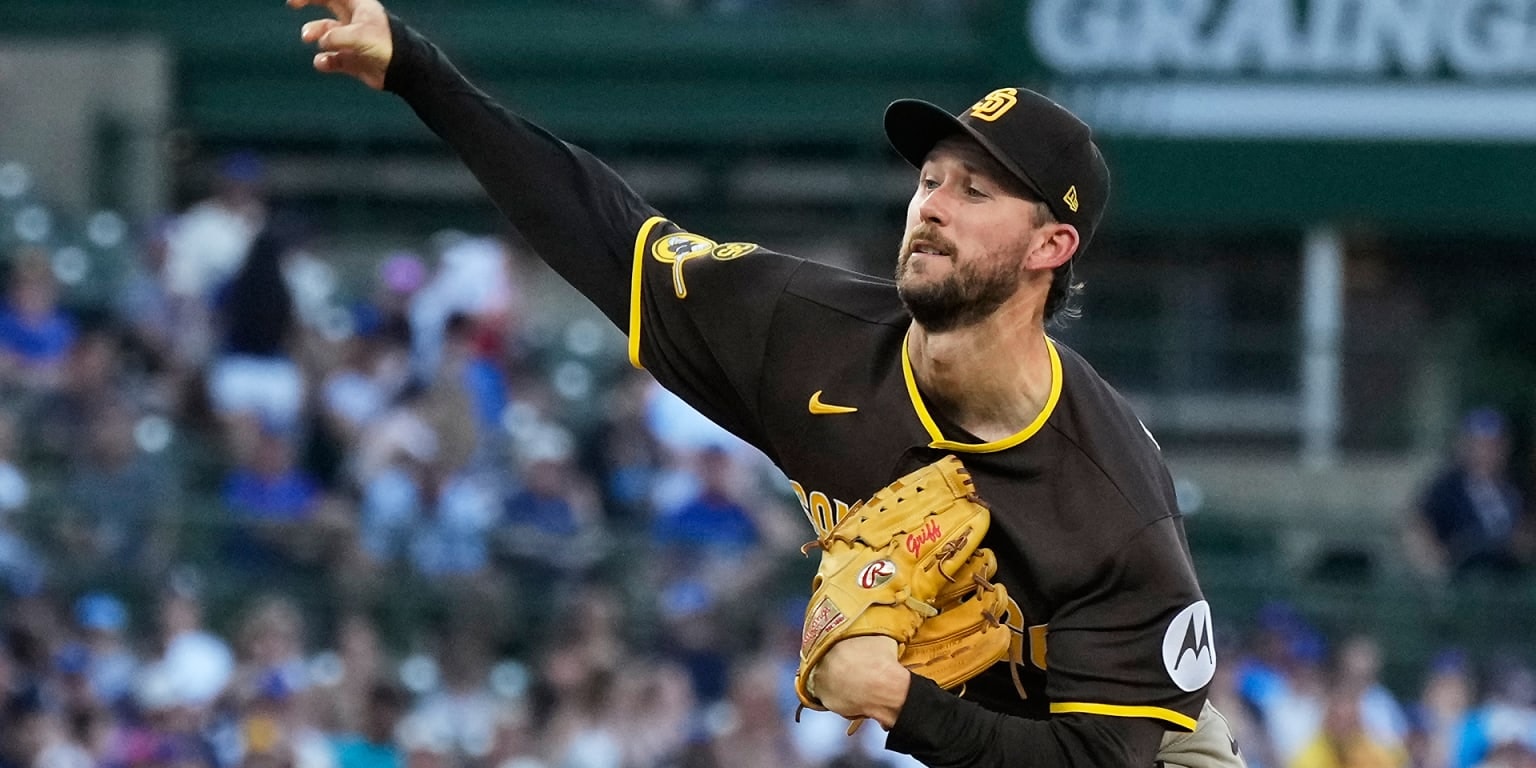
CHICAGO. The Padres built a familiar path in Monday night’s series opener against the Cubs: keep the damage limited, turn the game over to the bullpen, and stay close long enough for the offense to do the rest. For stretches, that formula worked. San Diego’s pitching provided the kind of control that makes late innings survivable.
The issue was not the ability to get innings, but the ability to land the finishing blow once the game tightened. The Padres eventually found themselves one hit short, a small margin that can decide a night even when run-prevention holds up for long enough to set the stage.
San Diego’s season pattern described in the team report is rooted in process. A starter, still in search of consistent production, is able to give the bullpen an opportunity to manage the remainder of the workload. When that handoff happens, the leverage of later innings can shift. In this game, the bullpen took over and kept the contest under control in the way the Padres have leaned on repeatedly.
That steady pitching foundation mattered because it prevented the Cubs from creating distance on the scoreboard. The Padres could play with a late-game plan instead of chasing a bigger deficit, and that distinction often separates a team that is “staying in it” from a team that is “catching up.”
Still, baseball asks for more than survival. Once Chicago’s pitching and the game’s timing tightened, the Padres needed timely contact and clean at-bats to turn late chances into runs. The team’s own framing of the night was direct, the offense could not capitalize on opportunities, and the lack of one additional hit proved decisive.
For Padres fans, the storyline is complicated by what it shows rather than what it hides. The pitching blueprint remains intact, the bullpen’s role is still a stabilizer, and the club can reach late innings without surrendering the kind of multi-run swings that derail chances. At the same time, the offense, even when it generates looks, has to make those looks count.
What to watch next is whether San Diego can translate the late-inning patience it displayed into a more reliable finishing sequence. In a series, one-hit margins are rarely isolated. If the Padres can couple their bullpen control with a slightly higher conversion rate on opportunities, the same underlying structure that kept Monday close could start producing wins again, not just close contests.
Why It Matters
- When a team can keep games “manageable” with bullpen control, it can compete even when the starting pitching is not fully settled.
- One-hit outcomes highlight the importance of late-inning efficiency, not just volume of baserunners.
- The Padres’ ability to maintain their pitching identity will be a key factor in how often they can turn close losses into subsequent wins.
- If the offense continues to leave rallies unfinished, the season’s margin for error shrinks quickly even for teams with strong bullpen support.
Key Facts
- The Padres faced the Cubs in Chicago in a series opener on Monday night.
- The team reported that San Diego’s starter was searching for consistency during the game.
- The Padres’ bullpen took over and kept the game under control.
- The offense did not capitalize on chances.
- The game was decided by the Padres being one hit short.
- The overall theme of the matchup matched the Padres’ broader season pattern described in the team report.