
THE APEX TIMES
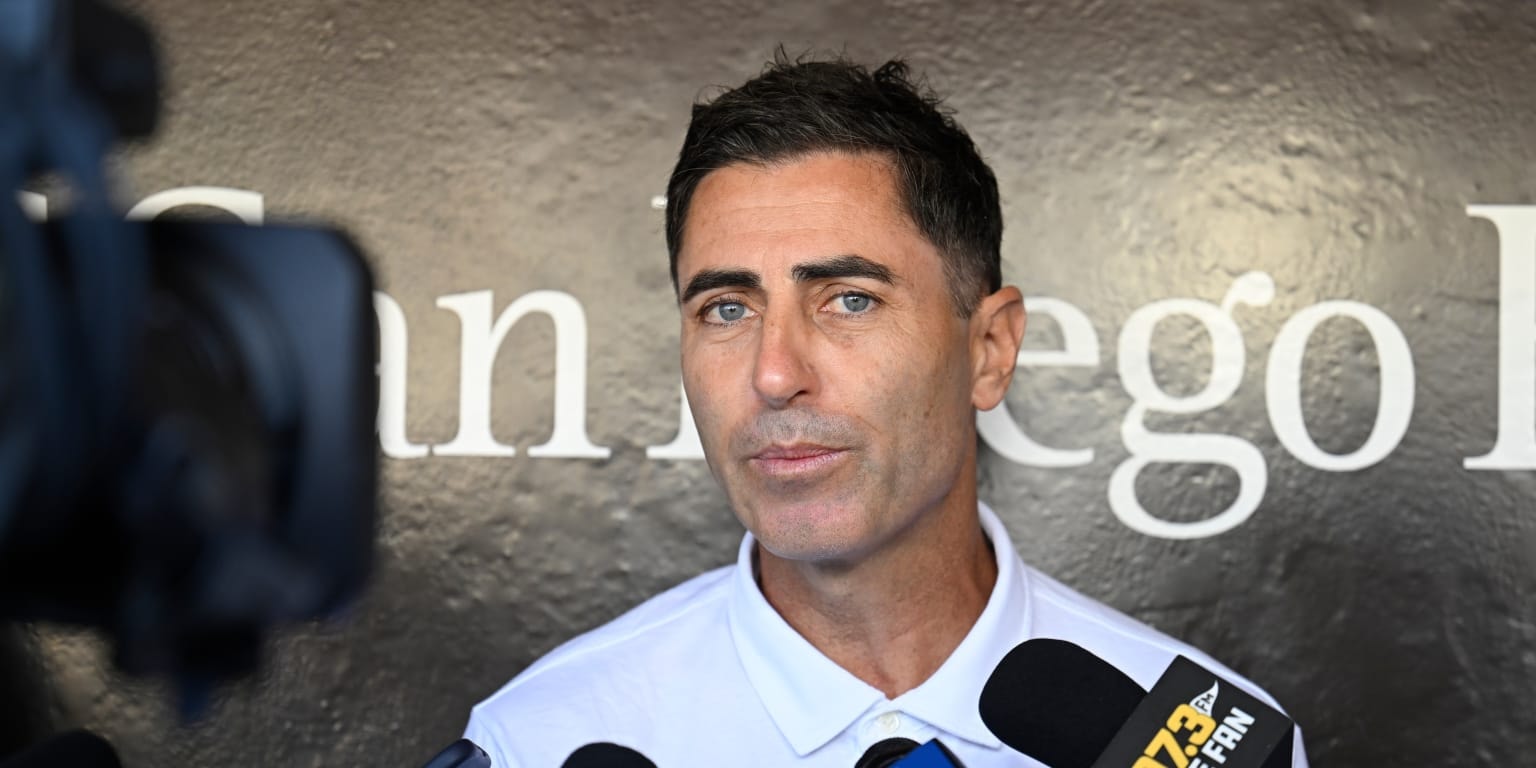
Padres GM A.J. Preller defends deadline approach, focused on trading top prospects to strengthen the rotation
With the 2026 Trade Deadline passing without a blockbuster headline, A.J. Preller framed the Padres’ moves as a straightforward attempt to improve pitching now, even if it means making a smaller, more targeted type of deal.
The 2026 Trade Deadline came and went in the same key theme that has shaped A.J. Preller’s tenure with the San Diego Padres: act decisively, and do it in a way that makes the roster better for the next stretch of games. In a deadline recap published by, Preller acknowledged that this year’s market did not produce the kind of mega-deals fans often associate with Phoenix and with stars moving on short notice, but he made clear the Padres were still trying to win by enhancing the team’s pitching outlook.
The scale of San Diego’s activity, at least by headline standards, was smaller than what some observers might have expected. The recap notes what did not happen, with no Mason Miller and no Juan Soto coming to the Padres. Instead of chasing the rare, eye-catching swing, Preller’s stance was described as unapologetic about concentrating the work where the club believes it can create the most immediate value.
At the center of that strategy is the team’s rotation. In the piece, Preller is portrayed as leaning into a familiar trade-off: using top prospects as currency to acquire pitching help that can stabilize innings and give the Padres a clearer path through a long season and a postseason chase. The emphasis is not on preserving the prospect pipeline for later, but on compressing the timeline, putting more established quality into the rotation while the window is open.
Preller’s comments also reflect an organizational bet that the cost of improvement is part of competing at the highest level, even when the league’s trade market produces fewer blockbuster opportunities than usual. By framing the moves as “trying to win,” the deadline outcome reads less like an absence of ambition and more like a decision to calibrate effort to what the Padres could actually complete.
That approach can be understood as both practical and stylistic. Practical, because the rotation is one of the most leverage-driven areas on a roster: better starting pitching can improve the quality of every decision that follows, from bullpen usage to the team’s day-to-day lineup planning. Stylistic, because the Padres under Preller have often treated prospects as assets that can be converted, rather than as guarantees that the team will remain patient through every stage.
What to watch next is whether the incoming pitching help translates into tangible performance gains in the games that matter most. A deadline built around rotation reinforcement places immediate evaluation pressure on starters and the staff’s overall health plan. If those pieces arrive and hold up, San Diego’s offseason thesis of “win now” becomes easier to justify; if not, the club’s prospect-led investment will be under the microscope in the final month of the regular season and beyond.
Finally, the broader Trade Deadline context matters for how fans interpret the Padres’ year. With the league producing fewer monster moves, teams that can still assemble functional upgrades through a narrower set of deals gain a different kind of advantage. For San Diego, the message from Preller is that even without a marquee acquisition, the objective was met in the only way the club can control it: build a rotation that can carry the team deeper into the summer and toward October.
Key details of specific players traded, exact deal terms, and the final pitching staff composition are not included in the preview details available here, so readers should rely on the official Padres/MLB recap for the complete transaction list. The through-line, however, is consistent: the Padres’ deadline posture prioritized rotation improvement over waiting for the biggest possible splash.
Why It Matters
- Strengthening a starting rotation can change how a team manages the bullpen across series, especially late in the season.
- Using top prospects accelerates the Padres’ timeline, increasing both the upside and the evaluation pressure on the pitching acquisitions.
- Even without headline mega-deals, teams can still shape playoff positioning if the quality of innings improves.
- Preller’s strategy indicates that the franchise is comfortable converting prospect value when the objective is postseason readiness rather than long-range development alone.
Sources
Key Facts
- A.J. Preller’s 2026 deadline message emphasized winning by improving the Padres’ rotation.
- The recap characterizes the trade market as producing fewer blockbuster-type deals than usual.
- ’s Padres deadline coverage notes that no Mason Miller and no Juan Soto were acquired by San Diego.
- Preller defended dealing top prospects as an unapologetic way to pursue near-term roster upgrades.
- The Padres framed their deadline activity as smaller in scale but aligned with their competitive goals.