
THE APEX TIMES
Padres rotation decisions will define their stretch run, even as they try to keep the best arms available
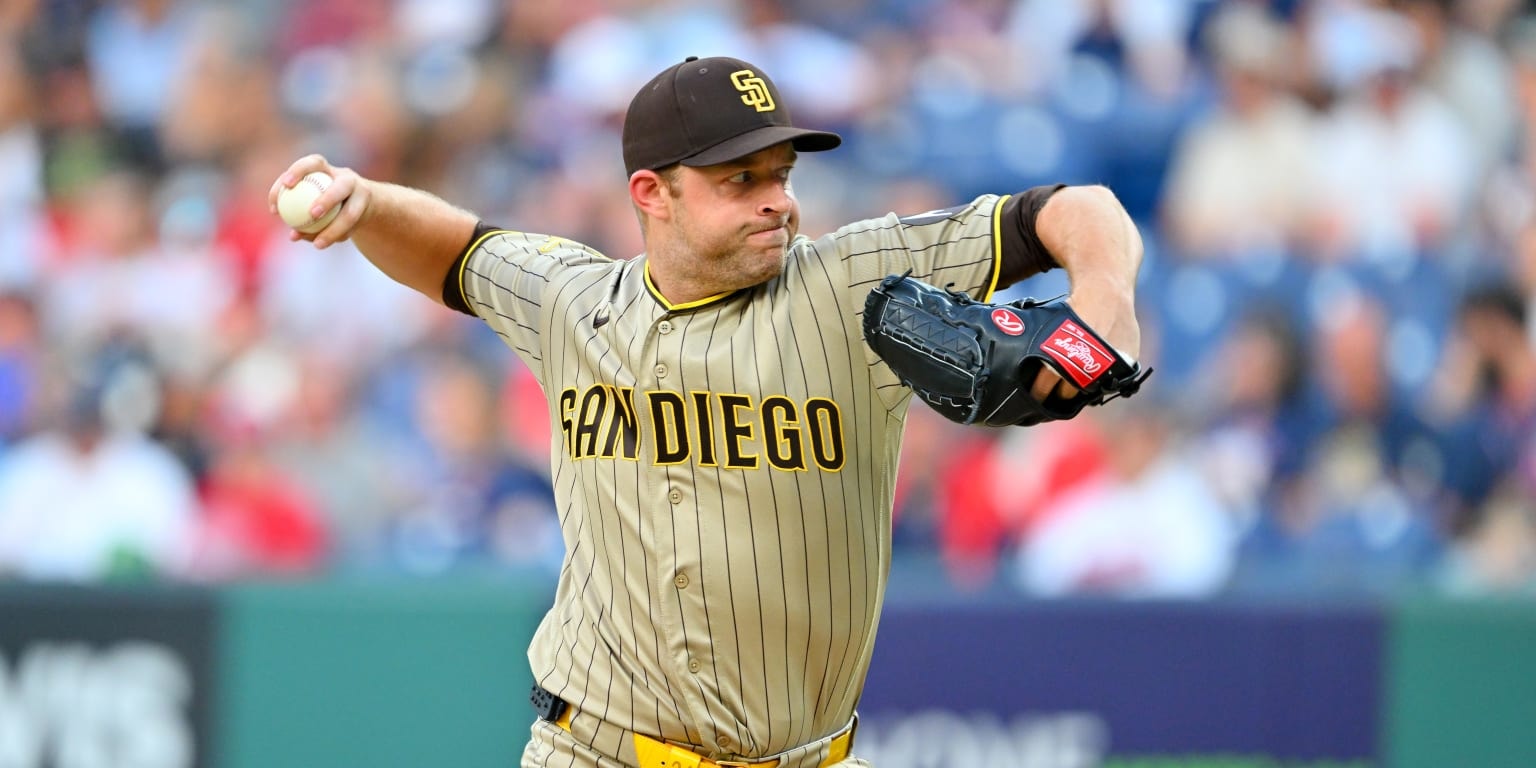
With 11 series remaining and San Diego holding the final NL Wild Card spot, the Padres are not simply choosing pitchers. They are choosing how to manage a rotation that is expected to look different from start to start.
The Padres’ down-the-stretch picture is clear in one way and complicated in another: the club’s rotation is going to look different, and that change is arriving while San Diego is still in the tightest part of the NL Wild Card race. In a team preview posted by MLB, the storyline is not that the Padres lack pitching options, but that they have choices to make, and those choices become tougher when every turn in the rotation also affects bullpen usage and matchup planning. According to the Padres report, San Diego has 11 series remaining in the regular season and currently sits in the final Wild Card position. That standings context matters because late-season rotation management is rarely about “who is best today” alone. It becomes about sequencing starts so the team can keep leverage pitchers aligned with the games that carry the most postseason weight, while also protecting relief resources for a schedule that compresses pressure into fewer, higher-stakes days. The core tension highlighted in the MLB write-up is the notion of a rotation that will be “very different” from one stretch to the next. In practical terms, that typically means the order and roles of starters can shift based on a mix of factors, including how long pitchers have been used in recent weeks and which matchups the Padres expect to face. Even without making specific claims about individual pitchers, the message is that the Padres are approaching a period where flexibility becomes both an advantage and a risk. If too many starts are forced into nontraditional patterns, the next inning plan can become more fragile. This is also where “having enough starters” can create a different kind of challenge. Clubs with limited rotation depth often plan conservatively, but a club with multiple viable starters can end up competing with itself. The Padres, per MLB’s framing, must decide how to prioritize innings, prioritize certain arms for certain opponents, and decide where to accept performance variance so the overall plan still points toward October. That balancing act often shows up in managerial decisions such as when to skip or shorten certain pitching workloads, and when to lean on the most dependable matchup profiles even if it changes how other pitchers are deployed. San Diego’s Wild Card position raises the stakes of each decision. Holding the last spot means the margin for error is smaller, especially once the calendar moves toward series that line up against other contenders with similar urgency. The Padres’ situation is not just about securing wins in isolation. It is about preventing rivals from gaining separation while the Padres keep enough starting pitching in reserve to survive the swing in day-to-day performance that can come with any rotation shuffle. For the rest of August and into the final weeks, the item to watch is whether the “different” rotation translates into a stable core plan or into constant re-optimization. The Padres’ postseason odds will be influenced by how consistently starters can give length across a variety of opponents, and by how well the bullpen can absorb any variability caused by rotation changes. If San Diego can keep innings and leverage aligned despite the shifting look of its starts, the rotation decisions MLB describes will become a blueprint rather than a complication.
keyFacts
1. The Padres preview says San Diego’s rotation down the stretch is expected to look “very different.”
2. The report frames the situation around the Padres’ postseason race, noting they have 11 series remaining.
3. states the Padres are currently holding the final NL Wild Card spot.
4. The central premise of the piece is that the Padres have decisions to make for their starting rotation rather than a simple lack of starters.
5. The article positions rotation management as a key part of navigating the Wild Card chase in the final weeks.
whyItMatters
1. Rotation sequencing in the final 11 series can directly affect bullpen availability in high-leverage Wild Card games.
2. A changing rotation can create matchup advantages, but it also increases the risk of fatigue or inconsistent innings if not managed carefully.
3. Holding the last Wild Card spot makes every series more consequential, turning “normal” pitching decisions into postseason planning decisions.
4. How the Padres operationalize their rotation flexibility could determine whether they remain stable in close standings or fall victim to a slip.
teams
San Diego Padres
leagues
MLB
sportsPlayerProfiles
[]
Why It Matters
- Rotation sequencing in the final 11 series can directly affect bullpen availability in high-leverage Wild Card games.
- A changing rotation can create matchup advantages, but it also increases the risk of fatigue or inconsistent innings if not managed carefully.
- Holding the last Wild Card spot makes every series more consequential, turning “normal” pitching decisions into postseason planning decisions.
- How the Padres operationalize their rotation flexibility could determine whether they remain stable in close standings or fall victim to a slip.
Key Facts
- The Padres preview says San Diego’s rotation down the stretch is expected to look “very different.”
- The report frames the situation around the Padres’ postseason race, noting they have 11 series remaining.
- states the Padres are currently holding the final NL Wild Card spot.
- The central premise of the piece is that the Padres have decisions to make for their starting rotation rather than a simple lack of starters.
- The article positions rotation management as a key part of navigating the Wild Card chase in the final weeks.