
THE APEX TIMES
Padres squander late chances, fall to Pirates in 12-inning marathon
San Diego forced extra innings and shut down Pittsburgh in the 10th and 11th, but could not manufacture the go-ahead run, losing in the bottom of both late frames after failed bunting attempts.
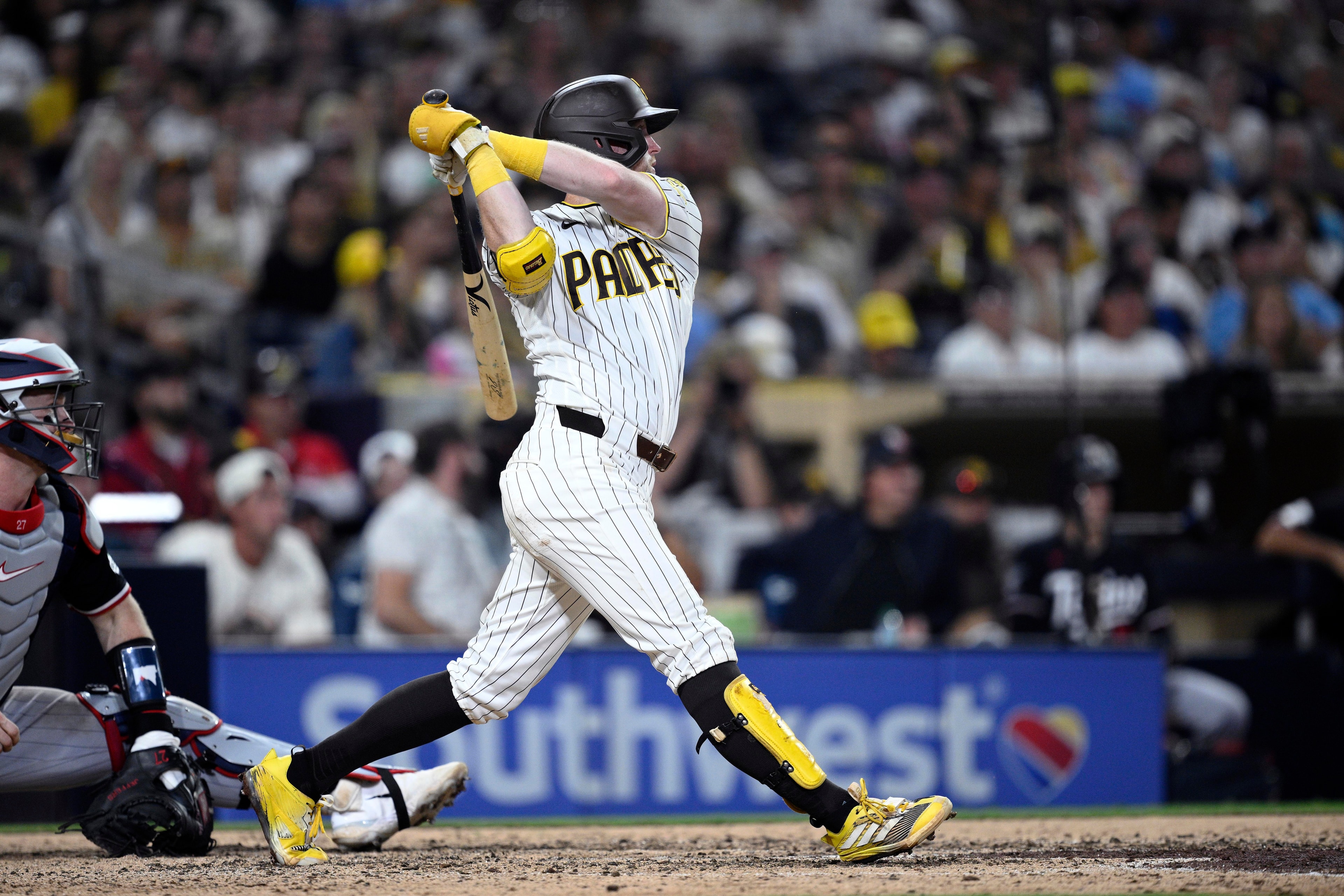
The San Diego Padres looked like they were carrying the swing of the game late, but their execution slipped at the exact moments it mattered most. In a tense matchup against the Pittsburgh Pirates, the Padres tied the game late to send it into extra innings, then posted scoreless frames in the 10th and 11th to keep their chance alive, only to come up empty when opportunities appeared in the bottom of each inning.
By the time the contest reached the later stages, momentum was no longer a theoretical concept. The Padres were able to force extra innings and, crucially, prevent the Pirates from turning the late innings into a decisive scoring run. Their ability to work through the 10th and 11th without allowing a tally gave San Diego the kind of platform that usually turns into a winning outcome in a 12-inning game.
What separated the teams was not effort, but conversion. According to the game account, the Padres had a clear path to a winning run in the bottom of both the 10th and 11th, yet their late-inning chances did not translate into runs. The reported theme was bunting, with the Padres failing to score the winning runner because of “bad bunts” each time the game moved into those high-leverage, one-run swing opportunities.
That matters because bunting in the late innings is rarely about scoring a run outright. It is usually about changing the base-out state so that the next hitter does not have to manufacture everything from scratch. When a bunt attempt goes wrong, the offense can lose not just an out, but the pitch selection and situational advantage that comes from forcing the defense to play the ball. In this game, the description suggests that repeated problems with those plays prevented San Diego from tightening the game when the margin was at its thinnest.
The Pirates, for their part, benefited from the Padres’ inability to capitalize despite persistent pressure. When a game reaches 12 innings, small details become decisive: moving runners into scoring position, converting on the bases you create, and avoiding self-inflicted damage when the opponent’s bullpen and defense are settled into their roles. Pittsburgh’s reward came in the form of taking the final step and turning the Padres’ late stalls into a loss for San Diego.
For the Padres, the takeaway is blunt. They did enough to get the game where they wanted it, then protected their chances by keeping the Pirates off the board in consecutive extra innings. But they could not finish the job in the innings where the offense had the most control over the outcome. In a game like this, that combination can be difficult to process: the “almost” is loud, and the difference is traceable to execution rather than effort.
Going forward, San Diego’s challenge will be turning a painful, specific kind of failure into a repeatable strength. Expect the coaching emphasis to center on late-inning situational skills, especially around small-ball fundamentals like bunting execution when the outcome depends on turning a runner into a scoring threat. Meanwhile, the Pirates will carry confidence from surviving those moments and cashing in when the Padres’ pressure did not become points.
Why It Matters
- Extra-inning losses often hinge on a small handful of late-innings at-bats or situational plays, and this game is described as a matchup decided by execution in the most leverage moments.
- For the Padres, the result highlights a specific area to tighten, fundamentals that can directly influence win expectancy in close, extended games.
- For the Pirates, surviving and converting late opportunities reinforces their ability to capitalize when opponents do not convert on pressure plays.
Key Facts
- The Padres and Pirates played a 12-inning game that ended with Pittsburgh winning.
- San Diego tied the game late to force extra innings.
- The Padres held Pittsburgh scoreless in the 10th and 11th innings.
- San Diego failed to score the winning run in the bottom of both the 10th and 11th innings.
- The account attributes the missed scoring chances to bad bunts.