
THE APEX TIMES
Patrick Bailey takes the long road from the bench to the middle of the ALDS story in Game 4
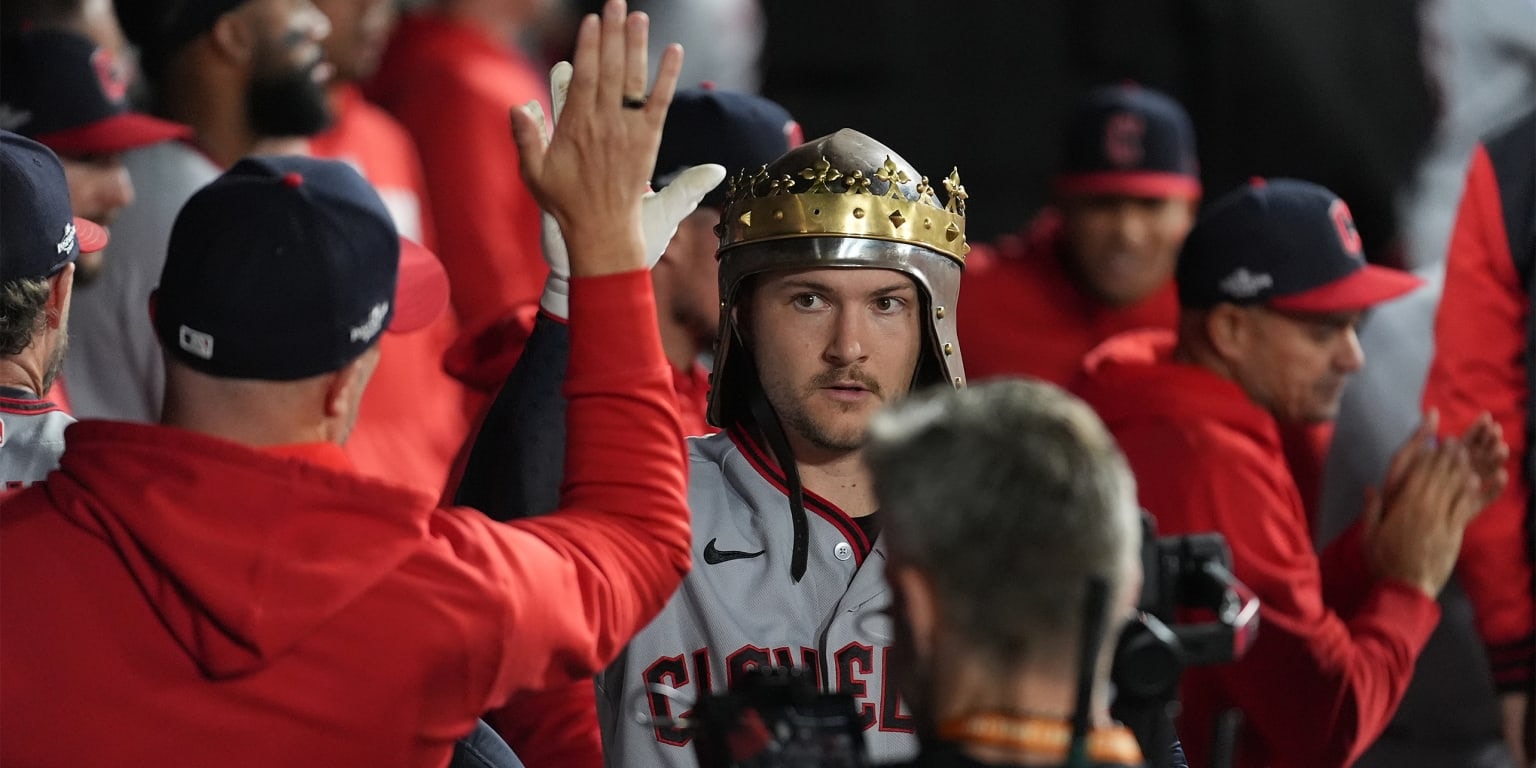
In Game 4 of the American League Division Series at Guaranteed Rate Field, the catcher’s absence from the starting lineup barely lasted long enough to matter, as Patrick Bailey delivered two key moments off the bench, including a two-run homer.
The American League Division Series reached a point where small advantages felt amplified, and Thursday night’s swing came from an unexpected place. Patrick Bailey was not in the starting lineup for Game 4 at Guaranteed Rate Field, an omission that made his impact later in the game all the more notable. When the at-bats started to pile up, Bailey answered from the bench with two big turning points, anchored by power that changed the immediate math of the contest.
Bailey’s signature moment came when he homered after coming in as a reserve, driving in two runs. In postseason baseball, that combination, a home run plus multiple runs, compresses innings into urgency, forcing the opposing dugout to rethink sequencing and bullpen usage at a high-leverage moment. Bailey’s hit did not just add distance, it applied pressure in the most direct form.
The storyline, as presented in the league’s recap, was that the catcher’s presence itself felt improbable early. Bailey being left out of the starting lineup for Game 4 at the start of the evening made it harder to project impact, particularly for a catcher, whose value often shows up not only in production but in the day-to-day rhythm between pitcher and battery. Once he got his swings, though, the timing shifted.
Postseason roles can look rigid until they are not. A bench catcher in the ALDS is typically expected to provide flexibility, matchups, and situational plate appearances. Bailey’s performance turned that template on its head, turning limited opportunities into tangible run production. The fact that he delivered two key moments speaks to a patient approach at the plate, as well as a readiness to capitalize quickly when the game allowed it.
For the series itself, Game 4 becomes a reference point for what matters when the margins tighten. A reserve’s homer can erase the idea that only everyday starters can tilt a postseason game. It also complicates the defensive and strategic planning that precedes later at-bats, because once a bench player proves he can break a game open, managers have to plan for that risk every time late-game substitutions begin.
Going forward, Bailey’s Game 4 showing is the kind of postseason reminder that rosters are built for more than the first inning. When a player can go from out of the lineup to a decisive at-bat, it changes how the rest of the series is managed, from pitching changes to lineup considerations to how aggressively opponents look to match specific pitchers against specific hitters. The next question is whether Bailey’s late-game punch becomes a dependable ingredient, or whether it was a one-night burst that still, for now, reshapes the narrative of the series.
Why It Matters
- A bench hitter producing in the ALDS changes late-game leverage for both teams.
- Home runs that arrive in Reserve plate appearances can swing innings and force faster bullpen decisions.
- Bailey’s Game 4 output highlights how postseason value can come from lineup depth, not just starters.
- The performance sets an early narrative for the remainder of the series, where expectations for Bailey’s impact may rise.
Sources
Key Facts
- Patrick Bailey was not in the starting lineup for Game 4 of the American League Division Series at Guaranteed Rate Field.
- Bailey appeared as a reserve and delivered two key postseason moments from the bench.
- Bailey hit a home run off the bench and drove in two runs.
- The league’s recap framed the performance as a sharp turnaround from an early absence in the lineup.