
THE APEX TIMES
Patriots wide receiver camp battle comes down to numbers, roles, and who separates in practice
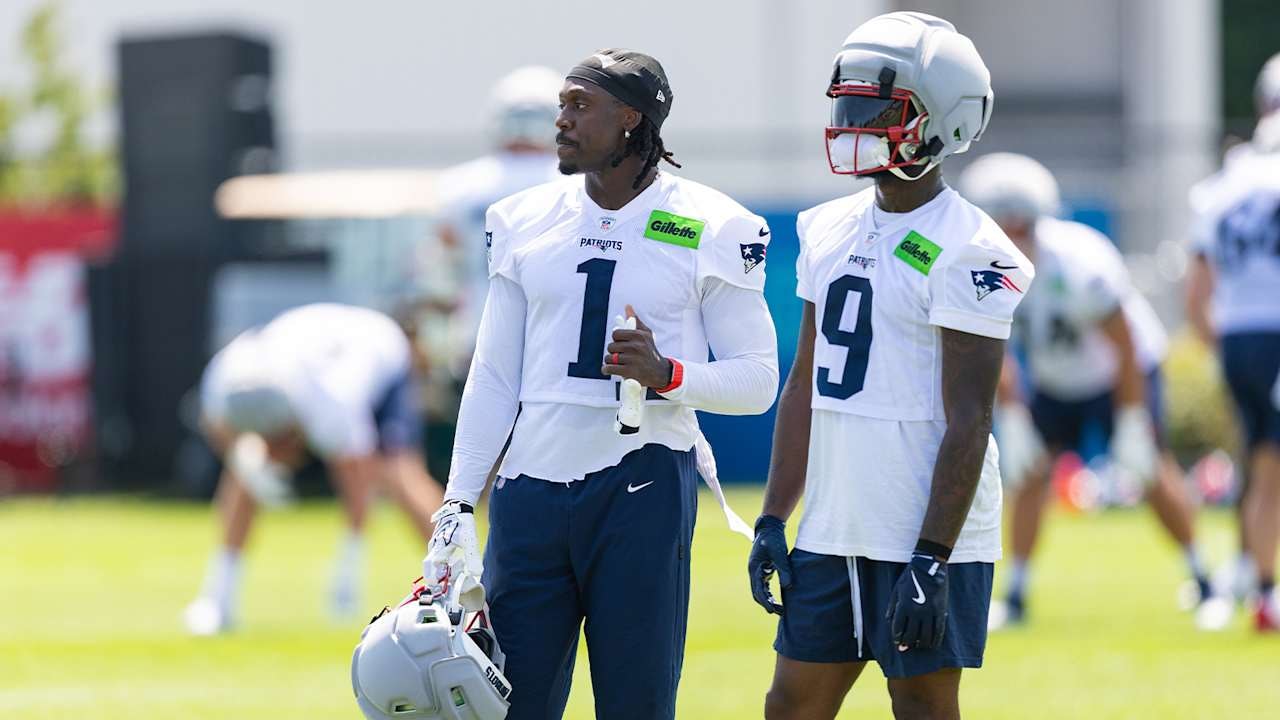
With New England’s first 53-man roster taking shape, the wide receiver group is shaping up as one of the most competitive positions on the roster bubble. The key question is not just talent, but how many players can do enough different things to earn a spot.
The Patriots’ camp picture at wide receiver is being framed as a numbers game, with a straightforward roster question looming: how many wide receivers will New England keep on its initial 53-man roster? In practice, that kind of decision is rarely about who looks best on a single route or a single rep. It tends to be about separation across multiple situations, consistency in fundamentals, and versatility that can carry over to Sunday offensive packages.
From a team-building standpoint, wide receiver is one of the most efficient spots to evaluate both ceiling and floor quickly. Teams can gain valuable information when receivers are asked to work timing-and-precision drills, finish routes under contact, and demonstrate they can win with and without the ball coming out quickly. For the Patriots, the emphasis in camp evaluations typically reflects a desire to identify who can be trusted as a repeatable option, not only a highlight-maker.
Another layer to the camp battle is role clarity. Even when a receiver has strong physical tools, the roster value often depends on what the player looks like in different formations and down-and-distance contexts. The Patriots’ internal questions at this position include who can handle contested targets, who can run the intermediate routes required to sustain drives, and who can be effective as a target when the offense is designed to move quickly through the progression read.
The competition also intersects with special teams, because wide receivers frequently earn roster security by contributing on coverage and return units. When teams keep “just enough” receivers on game days, those who can justify a position spot via route-runner quality plus reliable involvement in the kicking game are often the ones who separate late in camp. That dynamic can compress the margins, turning practices into a daily audition for coaches’ trust.
The Patriots’ preseason camp process puts added pressure on the players who need to prove they can both earn targets and sustain the work between plays. Timing with the quarterback, catching through route traffic, and protecting the football after the catch are not optional details for a receiver trying to make the roster. In this kind of battle, one missed assignment or a series of inconsistent efforts can quickly narrow the opportunities a player gets from the coaching staff.
What to watch next is how the Patriots’ receiver group sorts itself as the roster math becomes clearer. The most meaningful progression will be whether the team’s third-and-fourth options start showing steady reliability in the same areas they have been evaluated on repeatedly: getting open on schedule, finishing the route, and handling situational throws. As camp moves forward, the question will shift from “who can make plays” to “who belongs in the plan when the roster is trimmed,” because the final decisions will reflect how many receivers can do enough at once.
Why It Matters
- Wide receiver roster decisions can reshape the entire passing-game identity, because the team’s plan depends on who is trusted to run the full set of roles.
- A crowded competition can reveal which players are ready for consistent targets, which often defines early-season offensive rhythm.
- Receivers who can contribute in the kicking game can provide roster stability, increasing their leverage in tight roster math.
- How New England answers the “how many receivers” question can determine depth at multiple spots and the flexibility of the game-day formation group.
Key Facts
- The Patriots are working through a wide receiver competition that will influence how many receivers make the team’s initial 53-man roster.
- A central theme in the team’s camp evaluation is roster projection, not just single-rep performance.
- The wide receiver group is being assessed for repeatable skill in route work and catching execution.
- Role and versatility, including how a receiver fits into offensive packages, are part of the evaluation.
- Special-teams contributions are a common factor in receiver roster decisions for Sundays.