
THE APEX TIMES
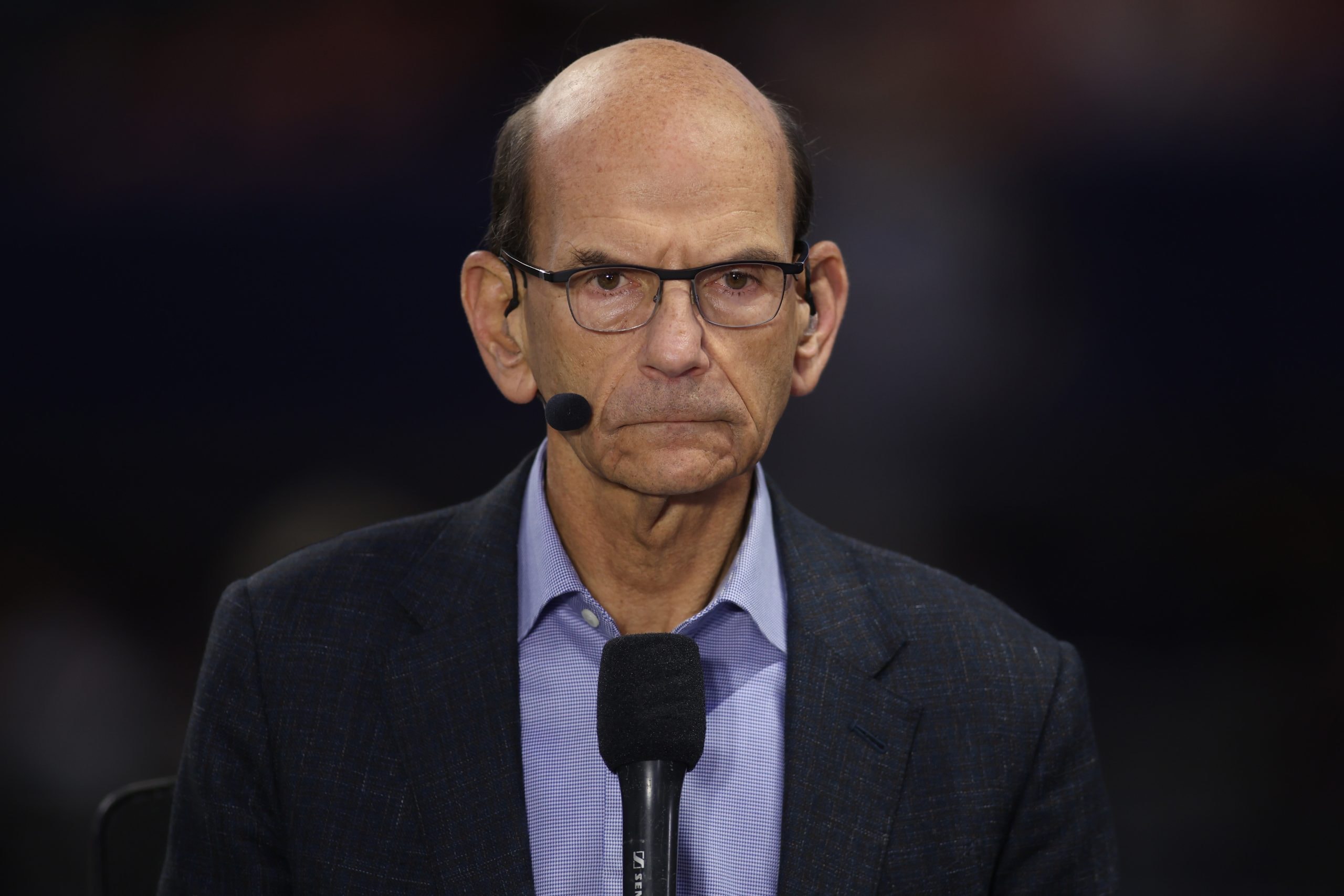
Paul Finebaum criticizes USC’s response to low Week 0 opener attendance
The longtime SEC football voice said USC’s public explanation for disappointing early-season turnout missed the point, reigniting debate about how top programs handle expectations at the gate.
Paul Finebaum weighed in on USC’s handling of a low-turnout Week 0 season opener, criticizing the message the program sent in response to what he viewed as poor attendance. In his reaction, Finebaum effectively treated the situation as more than a one-game crowd issue, framing it as an expectations and accountability problem for a school that sells itself as a major national brand.
The discussion centers on USC’s statement about the game’s attendance and what that communication indicated to supporters, recruits, and the broader college football audience. Finebaum’s critique, as reported by Saturday Down South, suggested that the tone and framing of USC’s response did not land with fans who expect a premium-home-program environment, especially when the matchup is positioned as an early “statement” for the season.
Week 0 games matter differently than a typical late-September kickoff. They set early impressions for TV windows and conference narratives, and they can become a quick reference point for how a program is being perceived before league play begins. When attendance fails to match the marketing level or historical expectations, it often becomes a cultural story, not only a box-office one.
USC has long operated in a national spotlight where attendance is also interpreted through a recruiting lens. Coaches and athletic departments are careful about what recruits see, and local and visiting fan presence can influence that environment, even if players and staff emphasize that performance is what ultimately counts. Finebaum’s reaction reflects the broader reality that crowd optics carry weight in public conversation, whether or not they reflect the on-field work.
There is also the media and messaging component. Finebaum’s criticism, as described in the report, targeted USC’s choice to issue a specific explanation rather than simply moving on from the turnout. That is a familiar tension in college athletics: programs sometimes try to contextualize attendance with logistical or situational factors, while critics argue that the explanation can sound defensive or can appear to avoid the underlying responsibility of drawing fans.
It is important to note what is and is not known from the available account. The Saturday Down South piece relays Finebaum’s reaction to USC’s statement, but it does not, in the information provided here, establish the precise attendance figure, the reasons USC offered, or any additional details beyond the fact that the criticism was directed at USC’s public response to low attendance.
For USC and for the college football conversation more broadly, the immediate watch point is whether USC addresses the issue in a way that changes the framing next time, and whether fans interpret the program’s messaging as transparency or as an attempt to deflect. In the meantime, Finebaum’s involvement ensures the topic will remain in the public spotlight longer than a single headline would suggest, especially with the season’s storyline still forming.
Why It Matters
- Top programs are judged not just by results on the field, but also by how they manage public narratives in high-visibility moments like Week 0.
- Crowd optics can affect recruiting perception, fan confidence, and the general sense of momentum around a season.
- When attendance disappoints, the program’s messaging can become part of the story, sometimes more than the turnout itself.
Sources
Key Facts
- Paul Finebaum criticized USC’s statement regarding low attendance at a Week 0 season opener.
- The criticism was reported by Saturday Down South as a reaction to USC’s public messaging about the turnout.
- The dispute centers on how a major program communicates about attendance and expectations early in the season.