
THE APEX TIMES
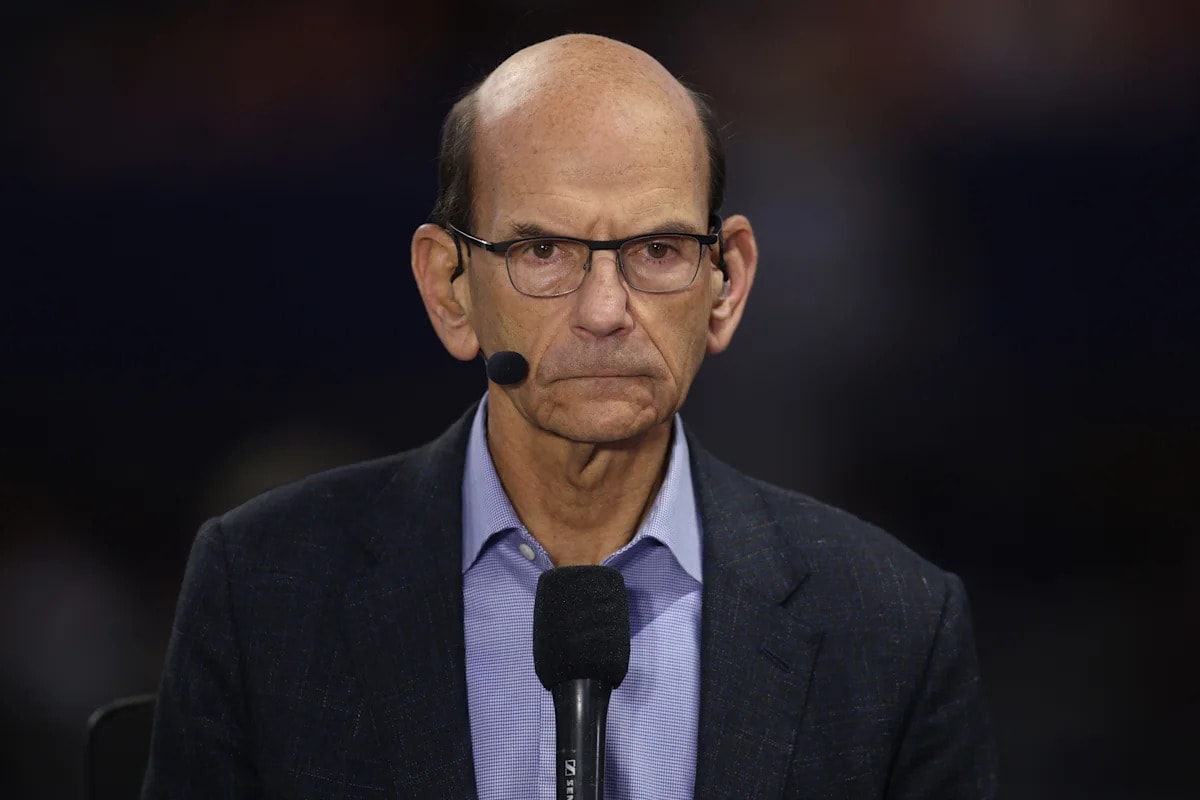
Paul Finebaum questions whether Oklahoma can reach the top 10 in 2026
As the Sooners enter the 2026 season, longtime college football analyst Paul Finebaum is pushing back on the optimism, pointing to a demanding schedule and the pressure that comes with it.
Paul Finebaum has cast fresh doubt on Oklahoma’s 2026 ceiling, telling the college football audience that the Sooners may not be able to finish inside the top 10 in a season that, in his view, asks too much too quickly. The St. Petersburg-based SEC analyst has long been willing to challenge popular narratives, and this time his target is the Sooners, who some fans and commentators believe are ready to contend for the sport’s highest prizes.
The concern Finebaum is raising is rooted less in a single matchup than in what a “demanding” schedule can do to a team’s margin for error. In college football, strength of schedule and the sequence of games matter because early setbacks can tighten the path to national relevance, even for programs with a strong brand, recruiting footprint, and coaching pedigree. Finebaum’s bottom-line message, as reported, is that Oklahoma has major questions to answer before it can be treated as a consistent top-10 or title-level threat.
Oklahoma’s place in the 2026 conversation reflects a broader preseason split that often emerges around elite programs. There is one camp that expects the Sooners to be in the championship conversation, arguing that Oklahoma has the resources to reload and compete with anyone. Finebaum’s stance represents the other side, emphasizing uncertainty and the difficulty of stringing together enough high-end performances to overcome both the schedule and the national spotlight.
From a program-building perspective, Finebaum’s skepticism is also a reminder of how public expectations can shape a season’s internal pressure. When a team is viewed as a potential national contender, every close game, every early mistake, and every underperformance carries extra weight. Even without pinpointing a specific opponent or sequence, his argument centers on the idea that Oklahoma’s schedule will not be forgiving, which tends to expose inconsistencies in depth, execution, and in-game adjustments.
There is also a scheduling reality to consider that lies beneath any preseason debate: a team can be talented and still fail to meet a top-10 benchmark if it drops one or two key games, especially against teams ranked higher than where the public expects them to land. Finebaum’s comments, as summarized by Yahoo Sports, frame Oklahoma’s 2026 profile as a significant “question mark,” meaning the program’s true readiness is not something he thinks can be assumed.
The most practical way to watch whether Finebaum is right is to track how Oklahoma performs against the highest-leverage portions of its slate. If the Sooners can avoid being pushed out of the playoff conversation early, that would contradict the notion that the schedule is too demanding for their stated goals. If they struggle to separate from quality opponents, the scrutiny Finebaum is highlighting will only intensify as the season moves deeper into conference play and the national picture becomes more cut-and-dried.
For now, Finebaum’s assessment should be treated as a confidence test of the most optimistic preseason takes. The 2026 Sooners will earn their space in the top 10 through results, not discussion, and Finebaum’s challenge sets a clear standard: can Oklahoma handle the pressure of a tough schedule well enough to finish in the range where championship talk usually starts?
Why It Matters
- Preseason expectations can raise the stakes of early results, especially for programs viewed as national contenders.
- A demanding schedule can limit a team’s margin for error, making one or two missteps more consequential for top-10 or playoff positioning.
- If Oklahoma does not separate from strong opponents quickly, the public narrative can shift rapidly toward rebuilding themes rather than contention.
- The 2026 national title picture often turns on which elite programs maintain consistency through the toughest stretches of their schedule.
Key Facts
- Paul Finebaum said he doubts Oklahoma can finish in the top 10 in 2026.
- He linked that skepticism to Oklahoma’s 2026 schedule being demanding.
- The Oklahoma Sooners are described as a major question mark entering the 2026 season.
- Some observers believe Oklahoma is ready to compete for a national championship, while Finebaum represents a skeptical counterview.