
THE APEX TIMES
Paul Finebaum’s Indiana Criticism Turns Into a Public Back-and-Forth
The ESPN radio and TV personality is drawing fresh attention for a renewed wave of criticism aimed at Curt Cignetti and Indiana football, reigniting debate over how much media narratives shape public expectations.
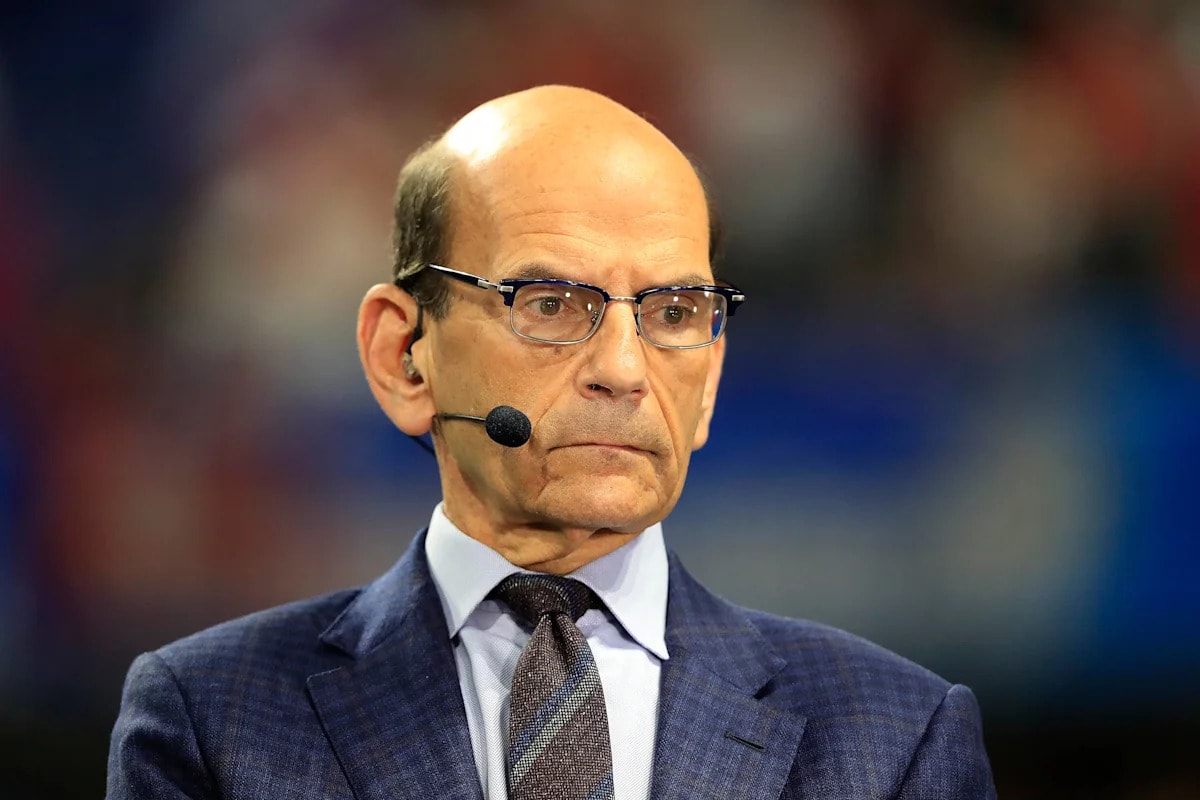
Paul Finebaum is again at the center of college football conversation after remarks that doubled down on his criticism of Curt Cignetti and the Indiana football program. In a new appearance widely discussed by fans, Finebaum framed his long-running concerns about Indiana’s trajectory and coaching direction as something that should not be revisited or softened, even as the program continues to operate under Cignetti’s methods and recruiting approach.
The core issue is not simply whether Finebaum disagrees with Indiana, but the way he has continued to press the point publicly. Finebaum has built a reputation in the college football media world for strong opinions and sharp assessments, but his renewed insistence on Indiana has prompted a sharper counter-reaction from viewers who believe the criticism has outgrown the evidence available and has become more about the pundit than the program.
Curt Cignetti’s presence matters in the Indiana discussion because his coaching philosophy and on-field identity are tied directly to how the Hoosiers are evaluated in the modern Big Ten landscape. When a high-profile coach is leading a program, every early-season storyline, every tactical decision, and every team-building choice becomes part of a larger narrative. That dynamic is especially pronounced when the person driving the narrative is someone like Finebaum, whose reach extends well beyond local Indiana audiences.
Indiana football, meanwhile, occupies a familiar but high-pressure role in the Big Ten: there is constant attention on whether the program can separate itself from the middle tier and establish consistent, long-term momentum. In that environment, external criticism can land as either tough-love realism or unwarranted dismissal, depending on what the public believes the program has actually shown. Finebaum’s new round of commentary, and the insistence that his stance should be treated as settled, has been interpreted by some as premature and by others as a reminder that fan optimism does not automatically translate into results.
What is likely to keep unfolding is the media-versus-program argument. Finebaum’s style tends to push conversations toward confidence and certainty, and that can create friction when a coach and program are still in the long process of building continuity, recruiting pipelines, and a durable identity. For Indiana supporters, the criticism becomes another reminder of how quickly outsider narratives can flatten nuance. For critics, it becomes evidence of a pattern they believe has not been corrected.
This is also a story about timing and attention. College football’s offseason and early preseason period is when media figures often form conclusions quickly, and when those conclusions are later tested by fall camp, preseason evaluations, and the first true measuring sticks of the season. If Indiana’s on-field performance does not align with Finebaum’s tone, the debate will likely intensify into a more personal critique of his framing. If the Hoosiers do struggle to translate goals into execution, his comments may be treated by some as vindication.
For now, the reporting centers on Finebaum’s decision to keep returning to the same themes regarding Indiana and Cignetti rather than moving on. That choice is what has made the episode feel less like an ordinary disagreement and more like a prolonged public confrontation. The next development to watch is how Indiana’s response, whether through play-calling choices, roster development, or in-game results, changes the conversation around whether Finebaum is analyzing a real problem or merely expanding a running dispute.
In the meantime, fans should expect the discourse to remain reactive. Finebaum is not a niche commentator, and Indiana is not a niche program. Together, they create a situation where criticism can quickly turn into a broader storyline about credibility, accountability, and whether the loudest voices are accurately describing the sport or simply ensuring the loudest headlines. When college football begins to generate new, concrete outcomes, that is when this debate will either cool down or harden into something longer-term.
Why It Matters
- Finebaum’s platform can shape how national audiences evaluate Indiana’s progress before on-field results arrive.
- High-profile criticism can affect recruiting perception and the public temperature around a coaching staff.
- The debate highlights the gap between media narratives and the slower timelines required for program-building.
- As the season develops, Indiana’s performance will determine whether skepticism fades or becomes a persistent storyline.
Key Facts
- Paul Finebaum renewed public criticism of Indiana football in remarks focused on Curt Cignetti.
- The discussion is being characterized as Finebaum doubling down rather than backing away from earlier opinions.
- Indiana football is the subject of the critique, with Cignetti identified as the program’s central figure.
- The renewed commentary has triggered heightened fan debate about the fairness and usefulness of media-driven judgments.