
THE APEX TIMES
Paul Goldschmidt finds meaning in the days he gets to be a dad at Yankee Stadium
In a Yankees Magazine piece timed around Father’s Day, the veteran first baseman reflected on what it has meant to share big-league moments with his children, and why he treats time in pinstripes as something to appreciate.
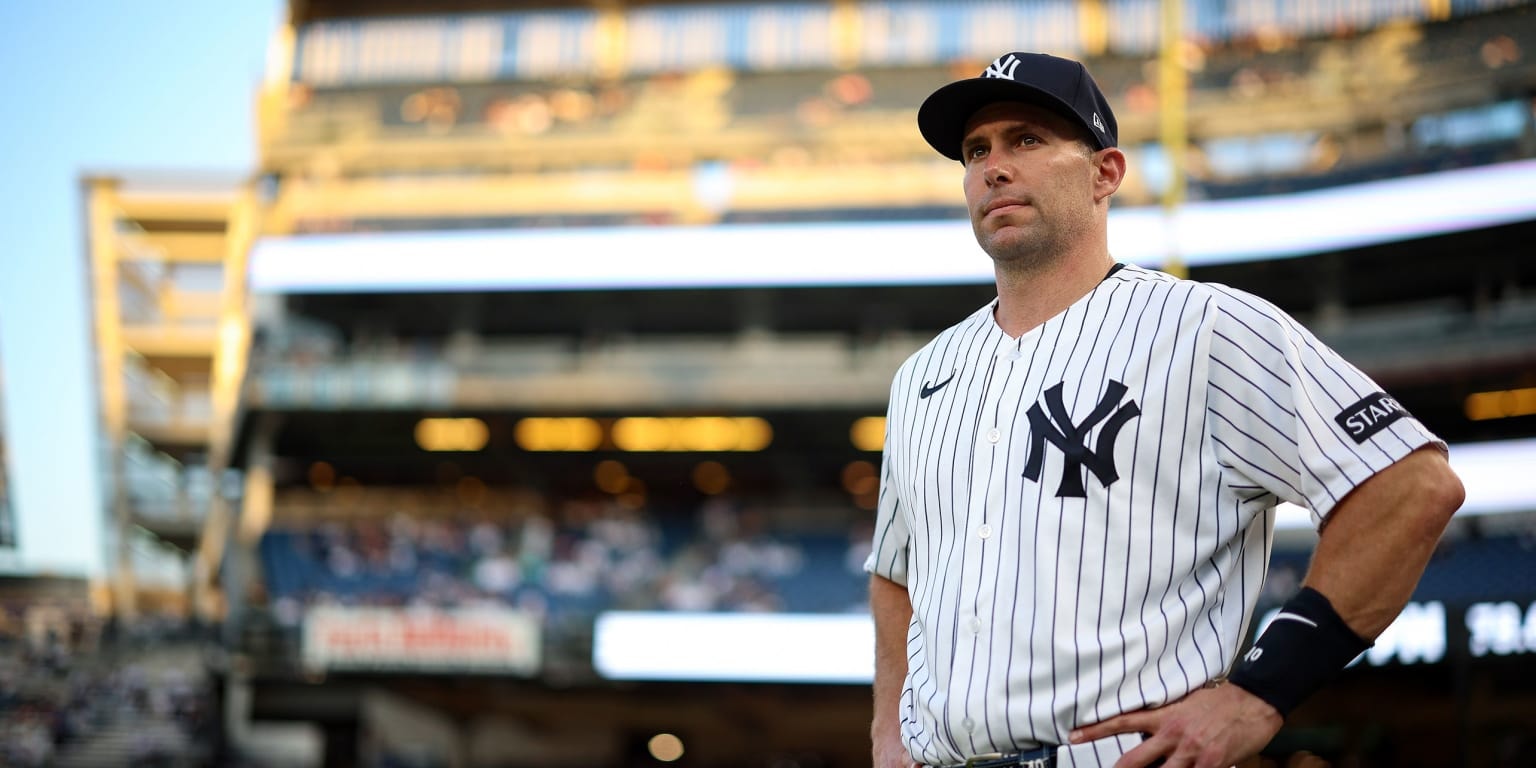
Paul Goldschmidt described his time with the Yankees the way many players wish they could, but often do not. In a Yankees Magazine feature published as the calendar moved toward Father’s Day, Goldschmidt looked at the specific blessing of seeing his children around Yankee Stadium and treated the moment as something that comes and goes rather than something guaranteed to last.
Standing near his locker, Goldschmidt talked about the everyday reality of fatherhood during the season, not the headline version of it. He said he knows it is not going to last forever, framing the hours and days when his children can roam a major-league ballpark as part of the job he most wants to remember. The quote is simple, but the meaning is not. For a veteran who has spent years in the routine of baseball, the perspective shift is what stands out.
Goldschmidt’s point also serves as a reminder of what the pinstripes represent for different people. For fans, it is tradition, history, and pressure. For a player’s family, it can be a rare chance to step into the stadium experience from the inside, to see the work close up and understand that the game is not the only relationship being built on the road and in the clubhouse.
As a first baseman, Goldschmidt’s role is built around routine and reliability, tasks that require steady attention and calm execution. In the same way, the fatherhood reflection he offered is rooted in steady gratitude. It is not a claim about team goals, roster details, or the next series, but a look at how a veteran measures value when the season is always moving forward and time is always shortening.
Veterans often talk about leadership in terms of preparation, baseball knowledge, and setting the standard in small moments. In this case, Goldschmidt’s leadership message appears to be emotional rather than instructional. He is effectively telling teammates and, by extension, the fans who watch his calm approach that the most meaningful parts of a season can be the off-field ones, especially when they involve family and the chance to be present for it.
Goldschmidt’s remarks also underline why holidays like Father’s Day land differently in baseball than they do elsewhere. The season’s structure creates long stretches where families plan around ballparks, schedules, and travel. When a player can share the stadium with his children during the work week, it creates a pocket of normalcy inside something that rarely feels normal, a reminder that the day-to-day grind has a human side.
What to watch next is not a specific on-field outcome, but whether Goldschmidt continues to frame the Yankees experience as a series of days to be appreciated rather than endured. In a sport where the public story is always about performance and the private story is usually less visible, the clearest takeaway from this Father’s Day reflection is that the most lasting memories might not be the ones recorded in box scores.
Why It Matters
- Goldschmidt’s comments highlight how a veteran player connects the demands of a long season to family time, a perspective that resonates in baseball’s year-round grind.
- The reflection frames the Yankees experience beyond competition, emphasizing personal presence and memory-making during the season.
- It adds a human layer to the clubhouse narrative, where veteran leadership is often measured by how players model priorities off the field.
- The feature timing around Father’s Day underscores the unique way baseball calendars shape family life during the season.
Key Facts
- Paul Goldschmidt shared reflections in a Yankees Magazine feature published around Father’s Day.
- The first baseman discussed the meaning of having his children around Yankee Stadium during the season.
- Goldschmidt said he knows the moment is not going to last forever.
- The interview took place near his locker, with Goldschmidt speaking directly about appreciating daily time in pinstripes.