
THE APEX TIMES
Paul Skenes ties his childhood “firefighter” dream to a belief that first responders deserve more
Pittsburgh’s ace-linked star says his earliest ambition was to help in emergencies, and he frames his current platform as an extension of that instinct.
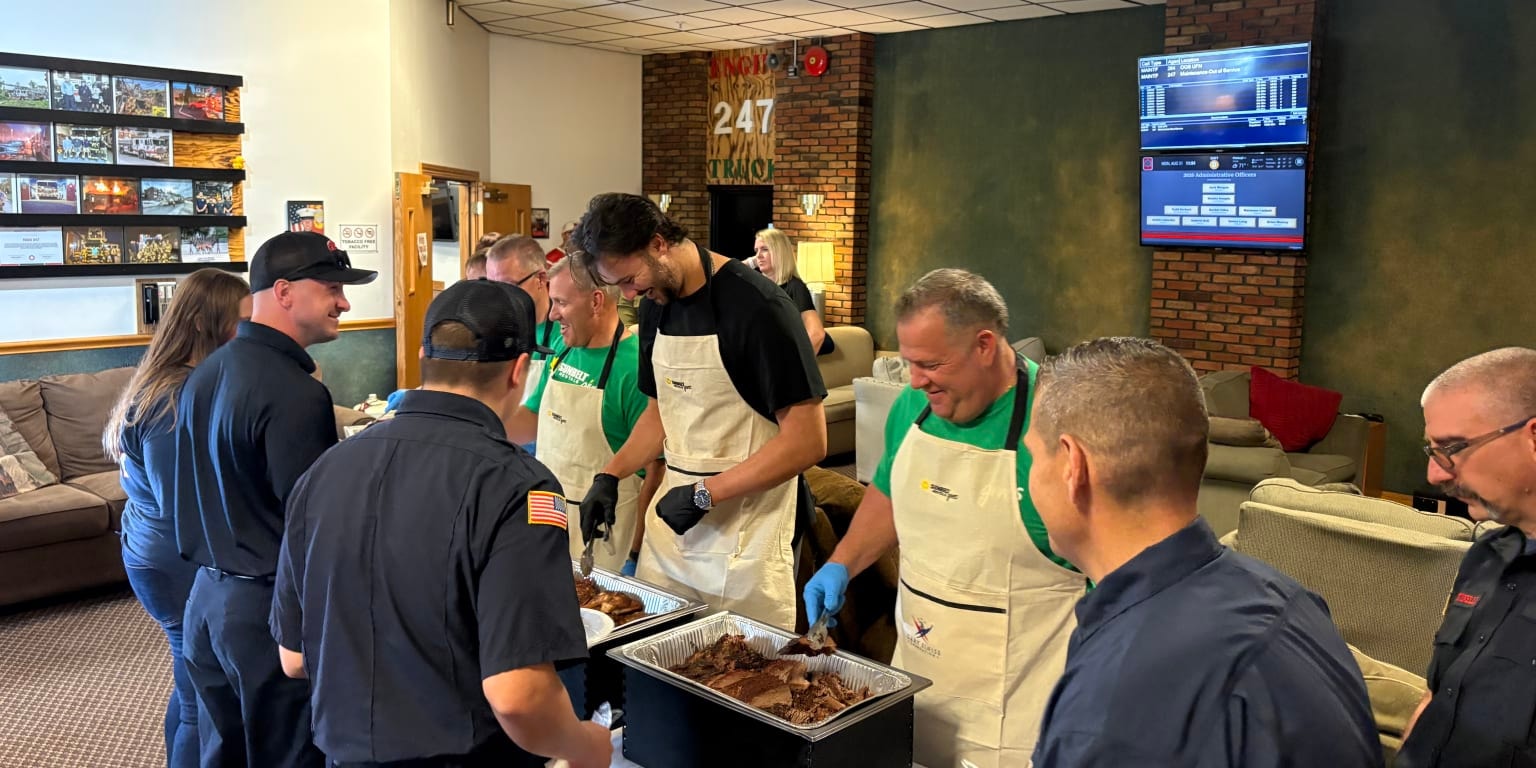
Paul Skenes has never tried to separate baseball from service, at least not in the story he tells about how he sees the world. In a recent piece from MLB’s Pirates beat, the reigning Pirates pitcher described what he calls his first dream job, long before baseball was a realistic path. He said he wanted to become a firefighter, a detail he treats both as a joke and as a window into what motivates him now.
The through line in that account is simple: Skenes believes people connected to organized sports will always fall short when it comes to doing enough for first responders. He points to the opportunity that comes with being a major-league player, and he frames his support for first responders as something he enjoys, even when it is just as much about shared purpose as it is about the attention that his role naturally brings. The theme is not presented as a one-time gesture, but as an ongoing mindset.
Skenes’ view matters in a league that often treats community programs as seasonal side quests. Major-league clubs, the MLB Players Association, and a wide ecosystem of local partners regularly support public-safety causes, but Skenes’ message emphasizes the moral calculus behind those efforts. If his childhood ambition was rooted in the idea of showing up when it counts, then his current willingness to keep returning to first responders is a way of carrying forward that identity rather than replacing it with celebrity.
For Pittsburgh, this kind of leadership in public-facing causes also reinforces how the organization portrays its stars. The Pirates have leaned on player-driven community engagement over the years, and Skenes’ comments fit that approach: he is not only a pitcher built for competition, but a high-visibility figure using attention to spotlight people whose work is defined by urgency and risk. In that sense, his firefighter-to-baseball framing functions as a rhetorical bridge between two kinds of pressure, one immediate and one scheduled.
What stands out is how Skenes talks about “never doing enough.” That phrase points to a broader sports conversation about the limits of outreach. Even robust donations, appearances, or ticket programs can feel partial when matched against what first responders actually deliver. In Skenes’ telling, the response is not to set a finish line, but to keep looking for additional ways to support a profession that cannot pause its role when events get busy.
Looking ahead, this perspective suggests the Pirates will continue to get community storylines that are more value-driven than promotional. For fans, the immediate next step is less about scoreboard stakes and more about recognizing how major-league athletes choose to connect their platforms to real-world needs. For Skenes, the longer-term question is whether he sustains that “always more” standard as his career grows and his schedule tightens, because that is where the sincerity of the message will be tested.
Why It Matters
- It positions an on-field star’s public platform around public safety, reinforcing how athletes can influence community priorities beyond the season.
- The “never doing enough” framing highlights the difference between symbolic outreach and sustained support for first responders.
- For the Pirates brand, it offers a consistent narrative about player leadership that extends past performance.
- It also invites fans to pay attention to player-led initiatives, not just game-day results.
Key Facts
- MLB published a Pirates-focused feature on Aug. 31, 2026 centered on Paul Skenes’ views about first responders.
- Skenes said his earliest dream job, before baseball, was to become a firefighter.
- In the same discussion, he framed support for first responders as something he enjoys and believes can never be fully satisfied.
- The story appears through the Pirates beat.