
THE APEX TIMES
Payton and Ryans reclaim playcalling as Broncos and Texans adjust early-season approach
With early struggles prompting a tactical reset, Denver Broncos head coach Sean Payton and Houston Texans head coach DeMeco Ryans have taken playcalling duties back from their coordinators, according to Yahoo Sports. The move puts a spotlight on the long-running debate between centralized control and coordinator autonomy in the NFL.
In the NFL’s weekly churn of schemes and adjustments, one theme keeps surfacing when results lag, head coaches taking back playcalling. Yahoo Sports reports that Sean Payton (Denver) and DeMeco Ryans (Houston) have spent recent days “unwinding” what they viewed as the wrong decision path and have reclaimed playcalling duties from their coordinators after early-season struggles.
The decision matters beyond the sideline chess match. Playcalling is the quickest lever a coaching staff can pull to change pace, personnel groupings, and the run-pass balance, especially when a team’s early identity is not translating into consistent production. When head coaches reclaim it, they are not only changing who calls plays. They are also tightening communication on what they want to see offensively or defensively and how quickly they want those ideas implemented.
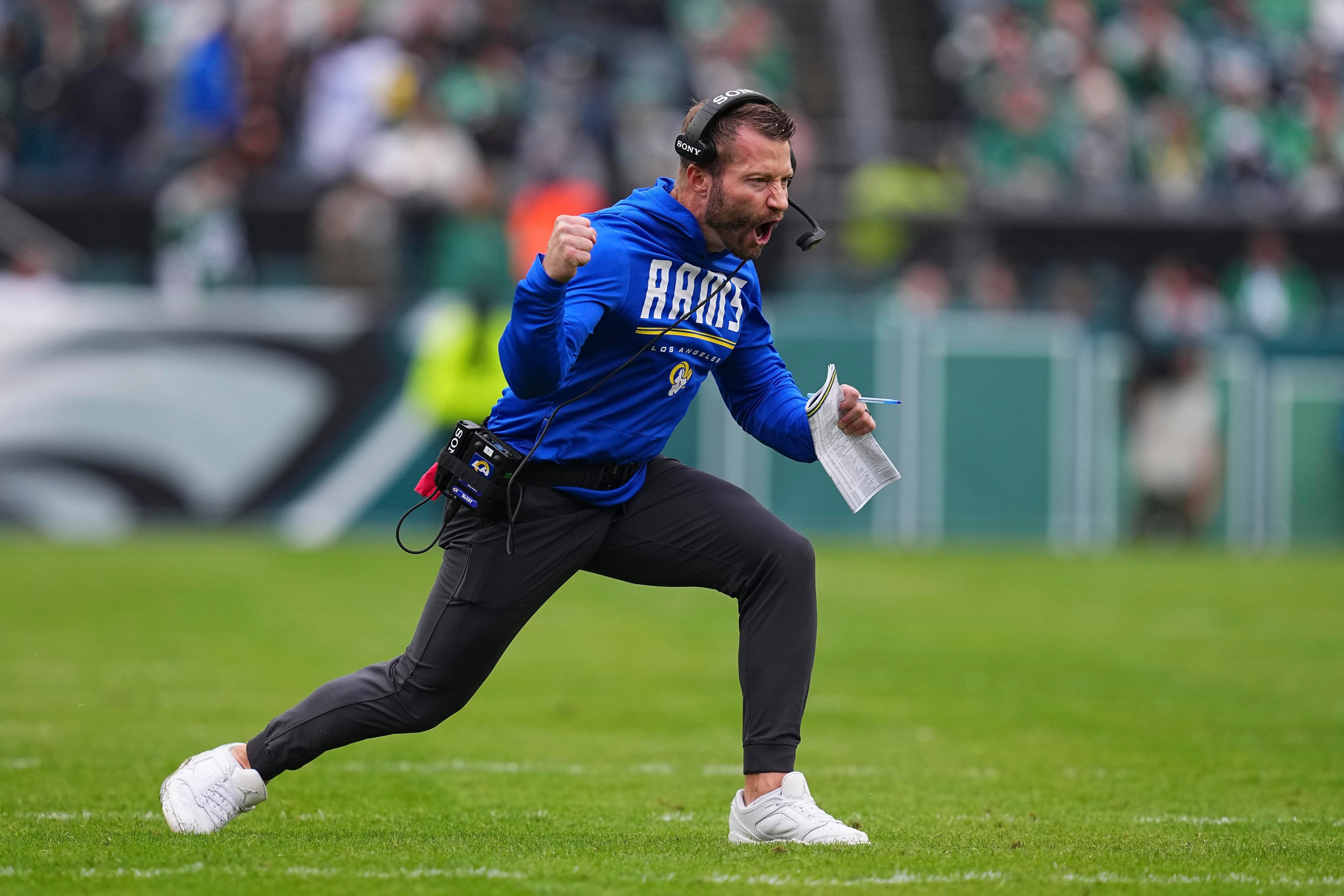
Yahoo’s framing centers on the broader coaching principle that Sean McVay should never give up playcalling. That argument serves as a contrast to Denver and Houston’s situation. The reporting suggests the Broncos and Texans had moved away from head-coach control early, then reverted once the impact of coordinator-led decision-making did not meet internal expectations.
For Payton, the move lands in the middle of a season where offensive rhythm and structure are typically judged quickly by defenders’ reads and coverage rotations. For Ryans, reclaiming playcalling duties also reflects how a coordinator’s plan can be overrun when opponents force different front-and-coverage looks than anticipated. In both cases, the implication is clear, the staff wants the “final word” to come from the head coach rather than filter through a layer of hierarchy.
The most important caveat is what this kind of change can and cannot immediately fix. Playcalling authority does not automatically solve underlying issues like offensive line pass protection, third-down efficiency, or the ability to run routes on time. Still, it can accelerate responsiveness. When the head coach is calling plays, the staff can align the game plan to week-to-week matchups with fewer delays between observation and execution.
What to watch next is whether Denver and Houston use the reclaimed playcalling to alter their formations and situational tendencies. Are there visible shifts in how often they dial up certain personnel packages? Do they commit to earlier runs or quicker play-action concepts? Are defensive callers also reorganizing who communicates adjustments at the line? Those markers will indicate whether the change is a short-term correction or a more durable structural pivot.
Even without names attached in the Yahoo report, the broader takeaway is that modern NFL coaching is increasingly about flexibility. When results fall behind, teams often respond by changing play design, personnel deployments, and coaching roles in tandem. Payton and Ryans reclaiming playcalling indicates that, for them, the next improvement step starts with who decides the play, and when.
Why It Matters
- Reclaiming playcalling can quickly change how a team responds to opponents’ game plans, especially in run-pass balance and situational script.
- A head coach taking over indicates that internal expectations for early-season execution were not being met.
- This kind of role change often affects communication speed from sideline to players, which can translate into more consistent in-game adjustments.
- The Broncos and Texans decisions add to the larger NFL debate over how much authority should sit with coordinators versus head coaches.
Key Facts
- Yahoo Sports reports that Broncos head coach Sean Payton took playcalling duties back from his coordinators after early-season struggles.
- Yahoo Sports reports that Texans head coach DeMeco Ryans also reclaimed playcalling duties from his coordinators after early-season struggles.
- The report describes Payton and Ryans spending recent days “unwinding” the decision path that led to coordinator-led playcalling.
- The story uses Sean McVay’s playcalling approach as a central comparison point, arguing he should not give up playcalling.