
THE APEX TIMES
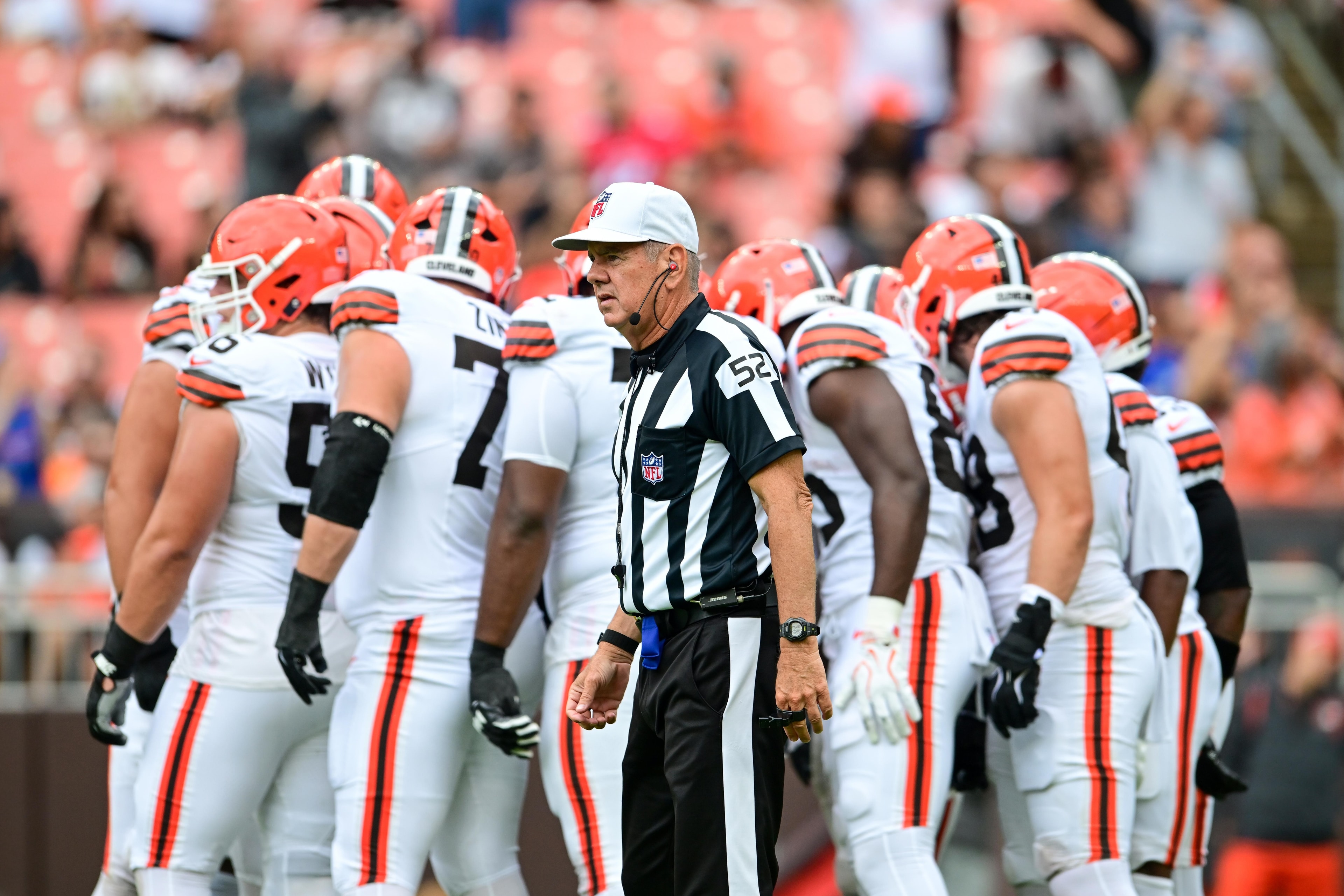
Penalties have become the NFL’s 2026 talking point, with the Browns winning anyway
A season defined by flags has not stopped Cleveland from finding ways to win, even as its penalty total has put it at the center of the broader league problem.
The NFL in 2026 has developed an uncomfortable theme for fans and coaches alike: penalties are piling up at a rate that has become the sport’s most persistent complaint, and the Cleveland Browns are part of the story even though they are not being punished on the scoreboard. Yahoo Sports’ review of league trends frames the issue as larger than any single club, arguing that the “no excuses” message is getting lost in a barrage of whistles, while Cleveland has managed to keep turning games into results.
According to the Yahoo Sports report, the Browns have been winning while ranking at or near the top of the league in penalties. That is the unusual contrast at the heart of the conversation. Teams are typically punished for repeated procedural mistakes because the penalties extend drives for opponents or stall their own momentum. Cleveland’s ability to win despite its own discipline concerns suggests either an opponent who is also making costly errors, a game plan that bends without breaking, or key third-down and red-zone execution that outweighs the yardage lost.
The bigger point from the national perspective is that Cleveland is not isolated. The report treats the Browns’ situation as a window into leaguewide officiating and enforcement trends, describing an environment where flags are being thrown frequently enough that it now feels like a constant meter running during every set of downs. When penalties become routine, they can change how offenses approach tempo, play-calling becomes more conservative, and defenses can find themselves in a loop of repeat snaps that are closer to “penalty math” than football rhythm.
One way this matters for a team like the Browns is that penalties affect game state even when you are winning. A higher-than-average penalty profile can force more third-and-long situations, shorten the field in key sequences, or create a constant need to manage substitutes and communication during dead balls. Even if the penalty yardage does not immediately decide a game, it can still shape later quarters by altering how much risk an offense or defense can afford to take.
At the same time, winning through a flag-heavy season can be a double-edged sword. It can build confidence when playmakers still produce under pressure, but it can also mask weaknesses because the scoreboard provides a false sense of stability. Coaches generally prefer consistency in how games are played. If penalties remain a central feature of a team’s identity, even a functional offense and defense can see their ceiling shrink, especially against higher-level opponents that are less forgiving and more capable of converting their opportunities.
The national “epidemic” framing also puts pressure on the league narrative itself. When fans perceive that penalties are excessive or inconsistent, it can become a credibility issue for officials, and it can become a coaching issue because teams must prepare for enforcement variances rather than only opponent tendencies. The report’s broader implication is that discipline is no longer just a team problem. It is becoming a sportwide pacing and execution problem.
For Cleveland, the immediate watch item is whether the team can turn “survive the flags” into “solve the flags.” That means reducing repeat mistakes, improving situational discipline, and keeping penalty totals from dictating how often the offense has to re-earn manageable downs. If the Browns continue winning with a high penalty profile, the story will shift to whether their margin of error is actually sustainable. If penalty levels decline while results hold, the franchise will look much more like the type of contender that can win late without constant recovery work.
As the season moves forward, the larger NFL question is whether this becomes a season-defining character trait across multiple teams or whether adjustments from teams and officials narrow the gap. Cleveland’s games will remain a useful barometer because they offer a direct contrast to the conventional expectation that penalties should reliably lead to losses. The Browns, at least in the early snapshot described by Yahoo Sports, are winning anyway, and that makes the leaguewide penalty conversation impossible to ignore.
Why It Matters
- A penalty-heavy league can reshape how teams call plays, manage tempo, and prepare in-game adjustments.
- Winning despite high penalty totals raises questions about how much “discipline risk” a team can carry before opponents exploit it.
- If penalty trends remain leaguewide, it increases the chance that playoff-level games are decided by who can execute most cleanly under enforcement pressure.
- For Cleveland, the path to a higher ceiling depends on whether it can reduce avoidable errors without losing the ability to win through adversity.
Sources
Key Facts
- Yahoo Sports reported that the Browns have been winning games while ranking at or near the top of the NFL in penalties in 2026.
- The same report characterizes frequent penalties as an NFLwide issue rather than a Browns-only problem.
- The Browns’ penalty profile is notable because penalties typically force teams into more difficult down-and-distance situations.
- The report frames the 2026 environment as one where officiating flags are becoming a consistent feature of games across the league.