
THE APEX TIMES
Penguins made a draft-offer call to Ottawa around 25th pick, but Senators declined a roster-player swap
Ottawa GM Steve Staios said Pittsburgh contacted the Senators with a “roster player” proposal tied to the 25th overall selection, a back-channel move that did not result in a trade for the No. 25 pick in the 2026 draft.
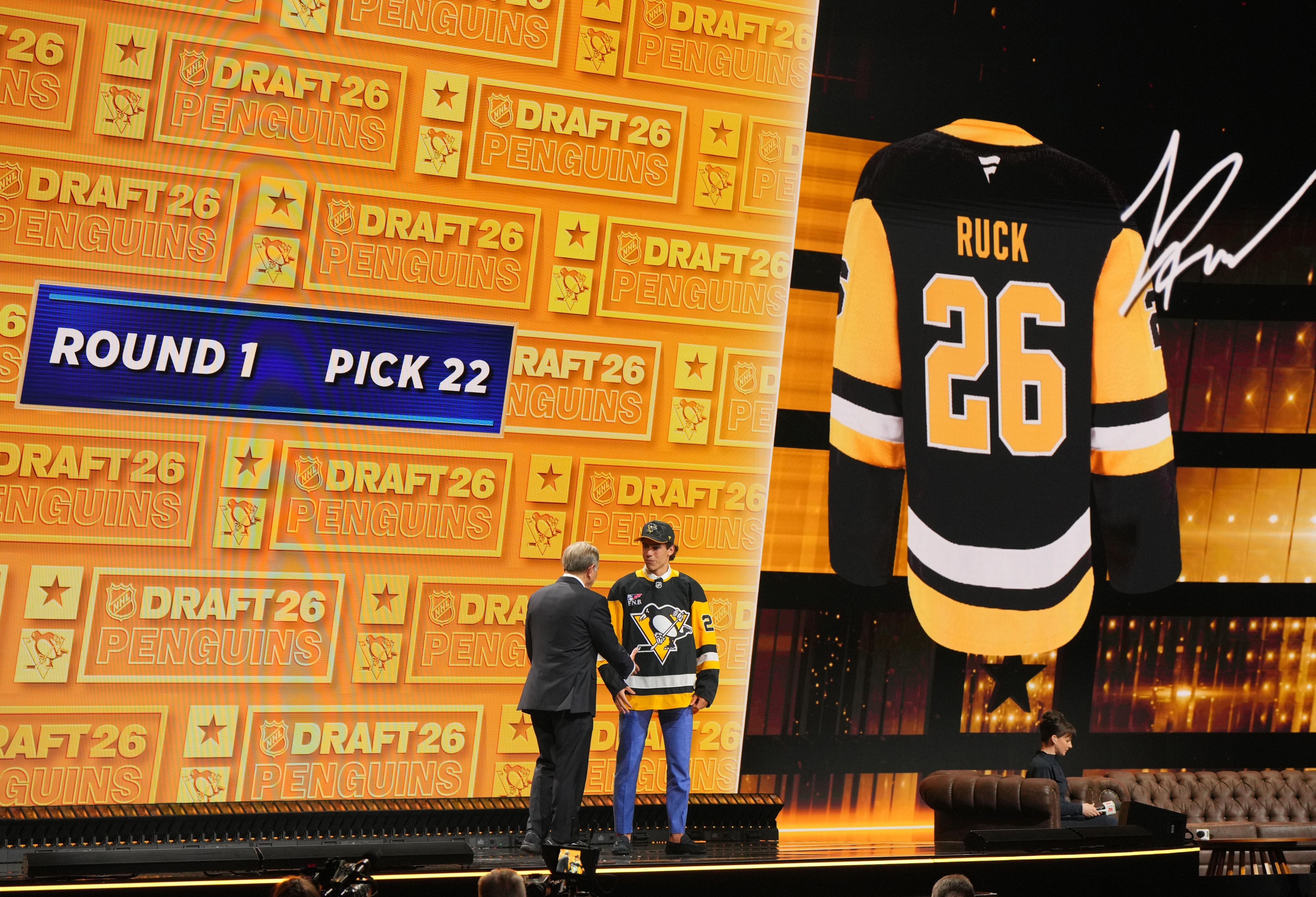
In the background of the 2026 NHL Draft, the Pittsburgh Penguins tested the trade market with an offer to the Ottawa Senators that centered on the 25th overall pick. According to Ottawa GM Steve Staios, the Penguins had called and presented a proposal that included a “roster player” from Pittsburgh in exchange for the Senators’ selection.
Staios described the exchange as a request for Ottawa’s No. 25 pick and a package that, at least in concept, was designed to add immediate depth to Pittsburgh’s lineup. The decision point, however, went Ottawa’s way. The Senators ultimately declined the offer, leaving the No. 25 selection in Ottawa’s control for the draft itself.
The reported behind-the-scenes aspect matters because draft-day negotiations often hinge on whether teams can convert future value into roster help without sacrificing long-term flexibility. When one club comes forward with a ready-to-play player, the receiving team typically weighs that against the cost of losing the opportunity to draft a prospect at a specific slot. The 25th pick is generally viewed as an area where teams can still target high-end upside, particularly if their board aligns with their organizational needs.
From Pittsburgh’s perspective, the reported approach suggests an emphasis on addressing needs sooner rather than later. While the names of the “roster player” and the exact structure of the proposal were not identified in the account, the very fact that the Penguins were willing to bundle a player into a draft-pick request reflects the practical reality of NHL roster building. Teams often try to balance prospect accumulation with a path to maintaining NHL-ready competition inside the organization’s depth chart.
Ottawa’s reported response also fits the organizational logic of a team that values control of its draft assets. The Senators are positioned to use their own selection to target a player they have prioritized on their board, or to make their own move later if the value is right. Even without a completed trade, the episode highlights that Ottawa was not passive in negotiations. Staios’ comments indicate Pittsburgh’s proposal reached the Senators’ front office and was evaluated internally before being rejected.
What to watch next is whether Ottawa’s No. 25 pick turns into an immediate roster contributor, or whether it becomes an asset that can be traded later as the Senators’ offseason plan clarifies. For Pittsburgh, the question becomes whether the team pursues a similar strategy with other draft slots or explores alternate ways to add players who can help in the near term. In NHL circles, deals like this often reveal how both teams view the market for mid-first-round value and how quickly each side is willing to move from “prospect math” to “roster math.”
Why It Matters
- The No. 25 pick represents a valuable draft slot where teams often target prospects with realistic paths to the NHL, so losing it can affect a team’s development plan.
- An offer involving a roster player indicates a preference for immediate organizational depth, which can shift how an NHL team builds its lineup and cap-ready structure.
- The rejection keeps Ottawa’s draft control intact, preserving its ability to select a player on its board or explore other options later.
Sources
Key Facts
- Ottawa GM Steve Staios said the Pittsburgh Penguins called about a proposal tied to Ottawa’s 25th overall pick.
- Staios said the Penguins’ offer included a “roster player” in exchange for the Senators’ selection.
- The deal was declined, so the Penguins did not acquire Ottawa’s No. 25 pick in that reported draft-day negotiation.
- The reporting framed the situation as part of behind-the-scenes content around Ottawa’s draft decision process.